Peru Joins 19-Nation Digital Trade Pact, No Binding Rules
Peru · Business
Key Facts
—Alliance joined. Peru became the 19th member of the Future of Investment and Trade (FIT) Partnership on 18 July 2026 in Auckland.
—Other new members. South Korea and Thailand also joined the same day, expanding the group's reach across Asia and Latin America.
—What it is not. The FIT Partnership is not a formal treaty; it carries no binding legal obligations and has no permanent secretariat.
—French investment anchor. French firms operating in Peru directly sustain roughly 35,000 jobs, concentrated in retail, infrastructure, and energy.
—Digital focus. Peru will co-develop shared standards for digital trade documents and e-signatures to cut export paperwork times.
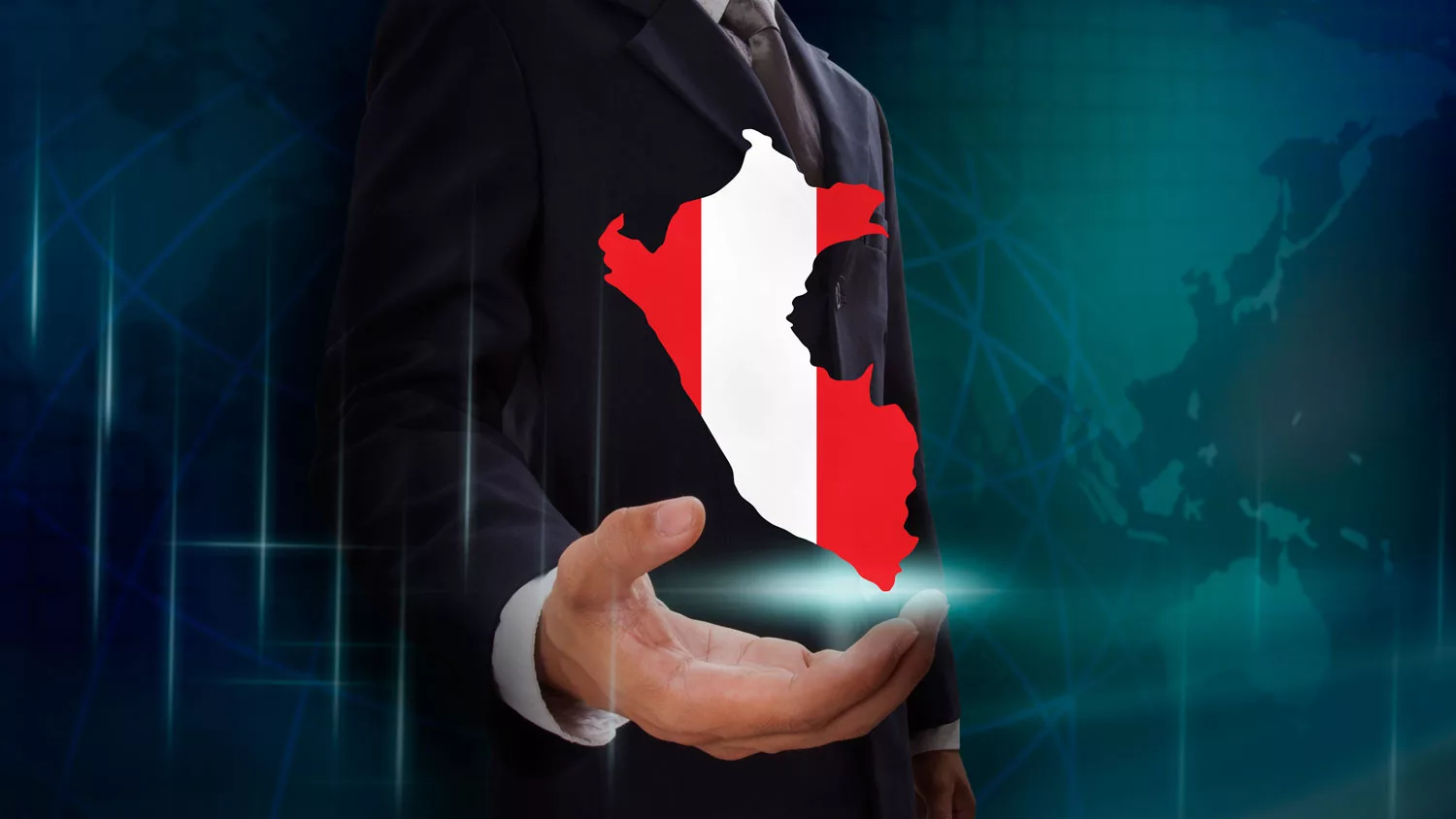
Peru formally joined the Future of Investment and Trade Partnership on 18 July 2026, a 19-nation alliance that seeks to rewrite the plumbing of global commerce without the weight of a formal treaty.
What the FIT Partnership Actually Is
The Future of Investment and Trade (FIT) Partnership is a network-style grouping of like-minded economies that want to keep the rules-based trading system alive. It was incubated by New Zealand, Singapore, and the United Arab Emirates before expanding to include Brunei, Chile, Costa Rica, Iceland, Liechtenstein, Morocco, Norway, Panama, Rwanda, Uruguay, Switzerland, and now Peru, South Korea, and Thailand.
Unlike a traditional free-trade agreement, FIT has no binding dispute panels or tariff schedules. Members instead cooperate on practical problems: making digital trade documents legally interchangeable, recognizing e-signatures across borders, and nudging global norms in areas where the World Trade Organization has stalled.
The partnership operates without a permanent secretariat or legal obligations, which makes it unusually agile. For a country like Peru, that means it can join working groups on paperless trade immediately, without waiting for legislative ratification back home.
What Peru Wants From the Alliance
For Lima, the prize is influence over the digital standards that will govern future exports. Peru’s agro-industrial and textile sectors still rely heavily on paper documentation, which adds days to shipment times.
Aligning with FIT’s work on paperless trading could cut those delays sharply.
The government also sees the partnership as a diplomatic lever to attract non-traditional investment. By signaling alignment with open, rules-based commerce, Peru hopes to draw capital from member economies that already have deep pockets, including the UAE, Singapore, and South Korea.
Peru’s membership also gives it a seat at the table when new digital trade norms are being shaped. Rather than simply adopting standards set by larger economies, Peruvian regulators can now help write the rules that its exporters will eventually follow.
The French Employment Anchor in Peru
French companies provide a concrete benchmark for what foreign capital can deliver in Peru. French direct investment sustains about 35,000 jobs across the country, according to data tracked by bilateral trade bodies.
The figure spans retail operations, energy projects, and transport infrastructure.
Those jobs are concentrated in Lima but extend to regional hubs through supermarket chains, water-treatment concessions, and electricity distribution. The government wants FIT to help replicate that model with investors from other member nations, particularly in agribusiness and logistics.
France is not a FIT member, but its investment footprint in Peru illustrates the kind of stable, long-term capital that the partnership aims to encourage. For expatriates and investors watching Peru, the 35,000-job figure serves as a reminder that foreign capital already plays a measurable role in the domestic labor market.
Digital Paperwork and the Speed of Trade
One of FIT’s most tangible workstreams is the mutual recognition of electronic trade documents. For a Peruvian asparagus exporter, a digitized phytosanitary certificate accepted in South Korea or the UAE could mean the difference between a three-day clearance and a two-week wait.
Peru’s trade ministry has already begun piloting e-phyto certificates with several Pacific Rim economies. Joining FIT gives those pilots a wider runway and connects Lima to a ready-made community of regulators who are testing the same systems.
The same logic applies to e-signatures and digital certificates of origin, both of which are on FIT’s agenda. For foreign buyers of Peruvian blueberries, avocados, or textiles, faster paperwork means fresher products on shelves and fewer supply-chain headaches.
What It Means for Expats and Investors
For the foreign community living in or doing business with Peru, FIT membership is a quiet but meaningful signal. It tells investors that Lima is willing to align its trade infrastructure with countries like Singapore and the UAE, which are known for efficient, business-friendly customs regimes.
The partnership does not change visa rules or tax rates, so expatriates should not expect immediate personal benefits. However, smoother digital trade can lower the cost of imported goods and speed up the arrival of familiar products from Asia and the Middle East.
Investors eyeing Peruvian agribusiness or logistics should watch FIT’s working groups closely. If Peru successfully adopts shared digital standards, the operational friction of exporting from the Andes could drop significantly, improving margins for companies that rely on fast, predictable shipments.
What Happens Next
Peru will now join FIT’s technical working groups, which are expected to meet throughout the second half of 2026. The immediate focus will be on mapping which digital trade documents can be mutually recognized first, with agricultural certificates likely at the front of the queue.
The partnership’s next high-level gathering has not been formally announced, but the Auckland meeting set a precedent for annual expansion. With 19 members now on board, the conversation is shifting from recruitment to delivery: proving that a non-binding network can produce results that a formal treaty cannot.
For Peru, the coming months will test whether FIT membership translates into faster export clearances and new investment leads. The government in Lima has made clear it intends to use the alliance as a practical tool, not just a diplomatic photo opportunity.
Frequently Asked Questions
Is the FIT Partnership a free-trade agreement?
No. It is a flexible, non-binding network of 19 economies that cooperate on trade facilitation and digital standards. It does not reduce tariffs or create legal obligations, and it has no permanent secretariat or dispute-resolution mechanism.
How many jobs does foreign investment support in Peru?
French investment alone sustains roughly 35,000 direct jobs, according to bilateral trade data. The government aims to grow that footprint by attracting capital from other FIT members such as the UAE and South Korea, particularly in agribusiness and logistics.
What does Peru export that will benefit from digital trade rules?
Peru's key exports include fresh asparagus, avocados, blueberries, and textiles. All require sanitary or origin certificates that become faster and cheaper to process when digitized and mutually recognized across FIT member economies.
Read More from The Rio Times