Peru Rewrites Electricity Grid Rules to Unstick Stalled Investment
Energy
Key Facts
—The change. Peru electricity rules were rewritten by decree in late June to speed grid investment and clear dead projects.
—The power. The energy ministry can now strike individual projects, not just whole packages, from the national transmission plan.
—The investor hook. A new mechanism updates the tariff base of grid reinforcements to protect their value against international inflation.
—The award. Separately, the state agency ProInversión awarded four transmission projects worth about $339 million serving 1.6 million people.
—The goal. The aim is a transmission plan that is more current and actually buildable as electricity demand grows.
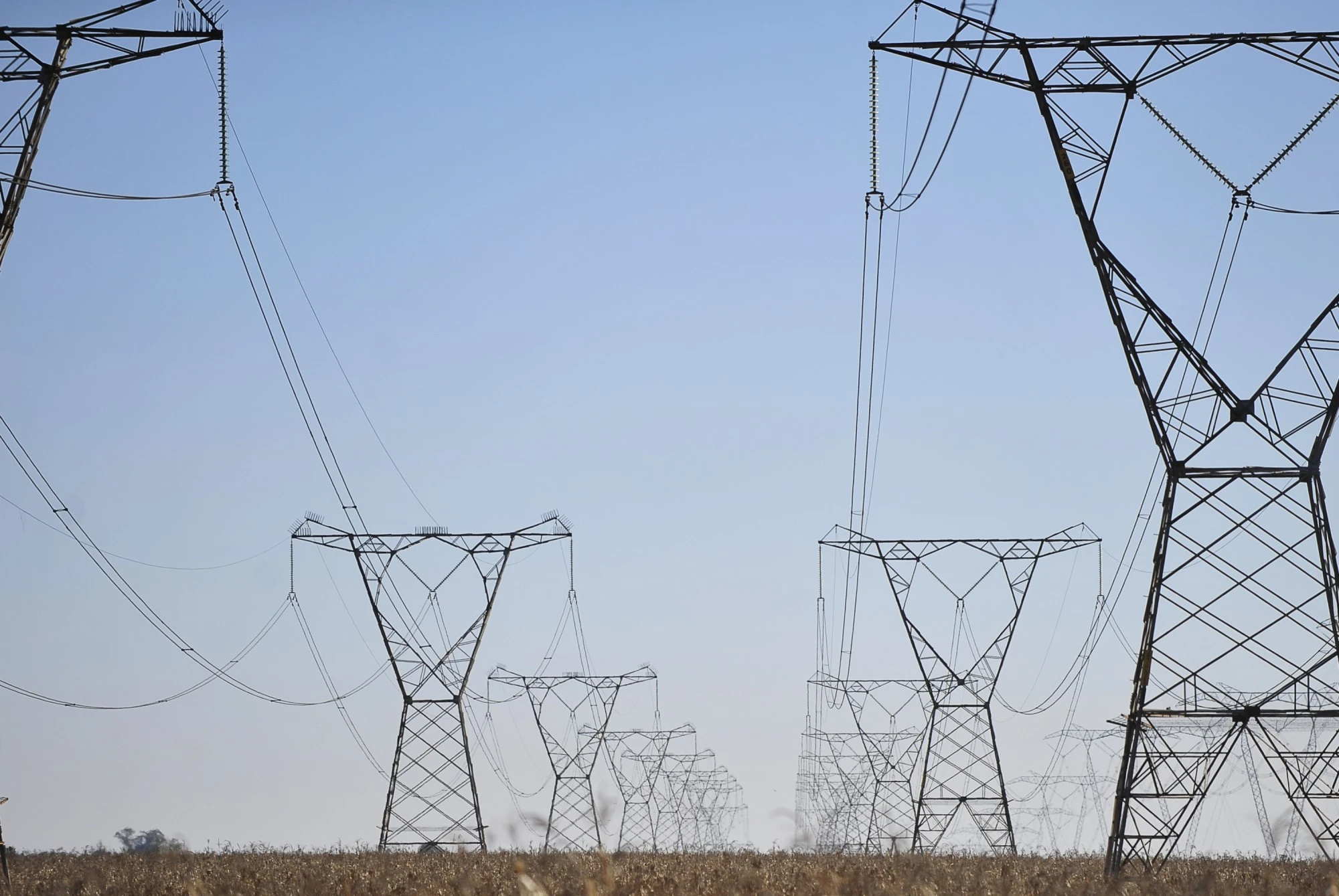
Peru has rewritten the rules governing its power grid, giving the government new powers to clear out stalled projects and reassure investors, in a bid to modernise a network struggling to keep up with demand for Peru electricity.
The change came through a supreme decree issued in late June and now in force. It overhauls the rulebook for how the country plans and builds its high-voltage transmission network.
For a foreign investor, it is a small but telling piece of deregulation. The government is trying to remove the friction that has left grid projects stuck for years.
What the Peru electricity decree changes
The headline power is a clean-out. The energy ministry can now remove not just whole project packages but individual pieces from the transmission plan when they lose technical, economic or legal viability.
The point is to stop dead projects clogging the pipeline. For years, schemes with no real chance of being built have sat inside the plan, holding back the priority works the grid actually needs.
There is a sweetener for capital too. A new mechanism lets the tariff base of grid reinforcements be updated, preserving the real value of investments against international inflation.
That matters more than it sounds. Predictable, inflation-protected returns are exactly what long-term infrastructure investors look for before committing money to a project.
Why the Peru electricity push matters now
The backdrop is rising demand. Peru’s grid must carry more power to homes, mines and industry, and a weak transmission network is a brake on the whole economy.
The mining link is direct. Peru is one of the world’s top copper producers, sitting on a project pipeline worth some sixty-four billion dollars, and none of that metal moves without reliable power.
There are fresh projects to point to. The state investment agency recently awarded four transmission schemes worth about three hundred and thirty-nine million dollars, set to serve some one point six million people across four regions.
The timing is political as well. The decree lands just weeks before a new government takes office, one that has promised to fast-track strategic projects and court private capital.
As ever with Peru, the test is delivery. Clear rules on paper are a start, but investors will judge the reform by whether power lines actually get built.
The transmission decree is one piece of a wider overhaul. The energy ministry has also been reworking the rules for so-called complementary services, the technical backstops that keep the grid stable as more solar and wind come online.
That shift matters for the energy transition. Variable renewable power needs a more flexible grid, and Peru is trying to move from an administrative model to one where market signals guide these services.
Foreign capital already runs deep in the sector. Chinese state firms in particular hold large stakes in Peruvian power generation and distribution, making grid rules a matter of international interest as much as domestic.
What did the Peru electricity decree do?
A supreme decree issued in late June rewrote Peru‘s transmission rules. It lets the energy ministry remove individual non-viable projects from the national grid plan and adds a mechanism to update the tariff base of reinforcements, protecting their value against international inflation.
Why does the Peru electricity grid need reform?
Rising demand from homes, industry and a large mining sector is straining Peru’s transmission network, while many planned projects have stalled for years. The government says clearing dead schemes and giving investors more certainty will speed the works the grid needs.
How does the Peru electricity reform affect investors?
It offers more predictability, notably by updating the tariff base of grid reinforcements to guard against inflation. Alongside a recent three hundred and thirty-nine million dollar award of four transmission projects, it signals a more investor-friendly stance ahead of a new government focused on private capital.
More: Latin America news in English, every day from The Rio Times.
Frequently Asked Questions
What new authority does Peru's energy ministry have under the late June decree?
The energy ministry can now remove individual projects from the national transmission plan, not just entire project packages. This applies when projects lose technical, economic, or legal viability, preventing stalled schemes from blocking the pipeline.
How does the decree protect investors in Peru's electricity grid?
A new mechanism updates the tariff base of grid reinforcements to protect their value against international inflation. This is designed to reassure investors and reduce the financial risk of committing to long-term transmission projects.
What transmission projects did ProInversión award alongside the decree?
The state agency ProInversión separately awarded four transmission projects worth approximately $339 million. These projects are intended to serve 1.6 million people across Peru.
Connected Coverage
Peru Mining Investment: A $64 Billion Pipeline at Risk
Fujimori’s Plan for Peru: US$5bn in Investment a Year, 500,000 Jobs
Latin America Economy 2026: Growth, Tariffs and Opportunities
This article was produced by The Rio Times’ automated newsroom system. How we use AI · Report an error · Editorial responsibility: Matthias Camenzind, Editor-in-Chief