Peru Defense Budget Rises 15 Percent, and Capital Spending Nearly Quadruples
PERU · DEFENCE
Key Facts
- —The allocation The 2027 proposal gives the defence sector S/11.66 billion (US$3.47 billion).
- —The increase That is up from S/10.17 billion (US$3.02 billion) in 2026, about 15 percent.
- —The real signal Defence investment projects rise from S/665 million (US$198 million) to S/2.55 billion (US$758 million).
- —The catch A 283 percent jump in capital spending is a procurement decision, not a payroll adjustment.
- —The whole budget The 2027 national budget totals S/266.5 billion (US$79.3 billion), up 3.5 percent.
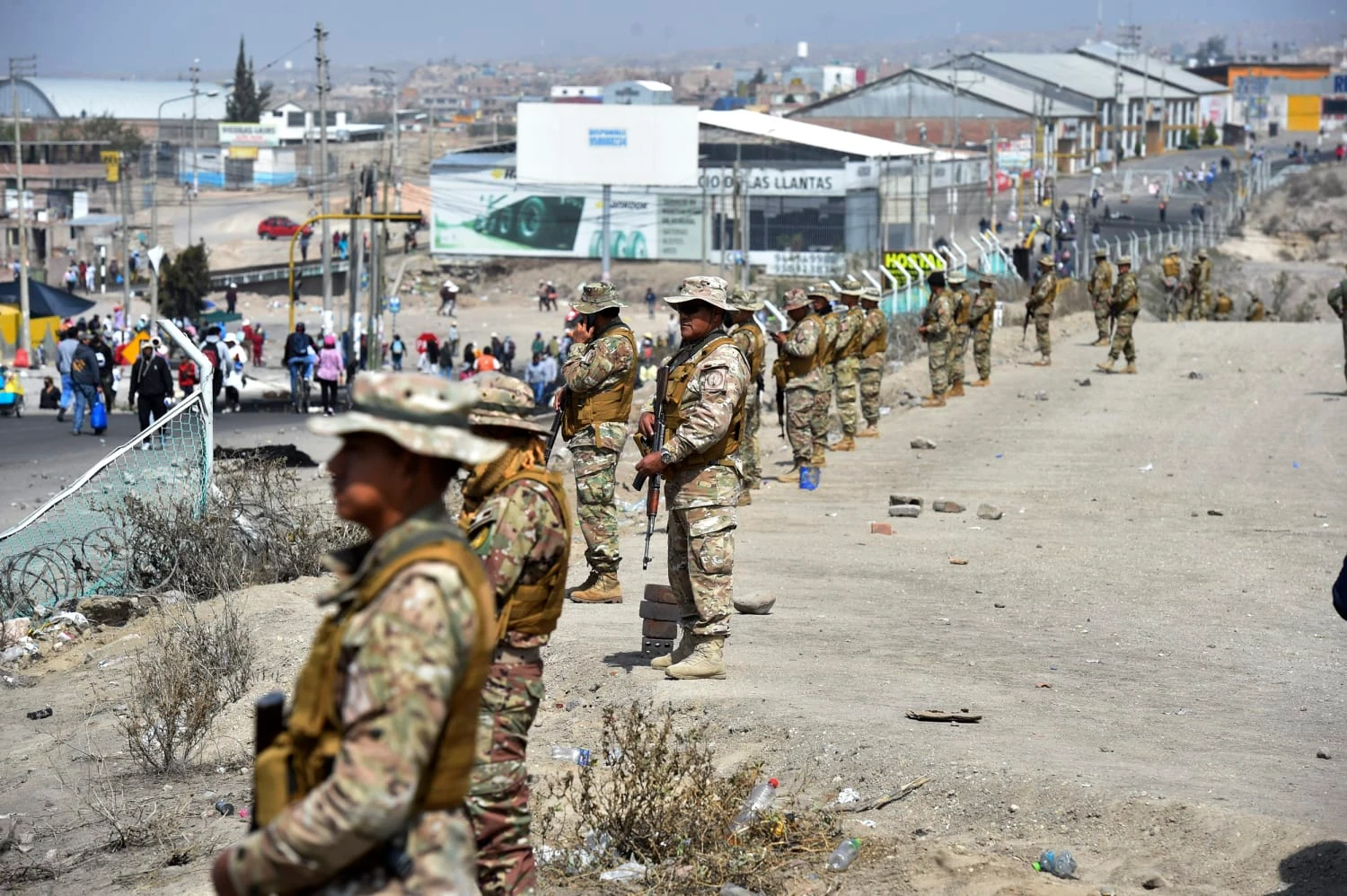
- —The backdrop A state of emergency over criminality and extortion covers Lima and Callao, renewed in late August.
The headline increase is modest. Inside it, the money earmarked for equipment and capability rises almost fourfold, which is a different kind of decision.
The Peru defense budget for 2027 is set at S/11.66 billion (US$3.47 billion) for the defence sector as a whole. The figure appears in the public budget bill sent to Congress.
That compares with S/10.17 billion (US$3.02 billion) for 2026. InfoDefensa puts the year-on-year increase at about 15 percent.
A 15 percent rise is notable but not remarkable. The composition is what makes this budget different.
One caveat on that percentage. Some defence outlets put the increase at 26.5 percent by measuring against a lower 2026 base, so the figure depends on which base year is used.
The Number Underneath the Headline
Investment projects inside the defence allocation rise from S/665 million (US$198 million) to S/2.55 billion (US$758 million). That is an increase of 283 percent.
El Búho reported the figures and described the spending as aimed at recovering and strengthening the armed forces’ operational capabilities. No individual programmes were named.
Defence budgets are mostly salaries, pensions and fuel. Those lines move slowly and rise with inflation.
Investment is the line that buys things. When it quadruples in one year, a government has decided to acquire equipment rather than simply keep the existing force running.
Why the Distinction Matters
A defence budget that grows through personnel costs signals nothing about capability. It usually reflects wage settlements.
A budget that grows through investment signals an intention to change what the force can do. It also creates multi-year commitments that are hard to reverse.
Procurement contracts outlast the governments that sign them. That is the practical consequence of a 283 percent capital increase.
What the money will actually buy has not been published. The available reporting describes purpose, not platforms.
The Context Is Domestic, Not External
Lima and Callao are under a state of emergency renewed in late August 2026 for sixty days. La Libertad was covered by an earlier extension in January but is not in the current decree.
Extortion has hit urban transport in Lima and operations at the port of Callao particularly hard. Those are economic targets as much as criminal ones.
A country deploying the military against domestic organised crime wears out equipment faster than one that is not. Operational tempo has a budget line.
Peru also joined a United States-led regional security arrangement this week. The two developments are consistent, though neither is presented as causing the other.
Where It Sits in the National Budget
The full 2027 budget proposal totals S/266.5 billion (US$79.3 billion). That is an increase of S/8.95 billion (US$2.66 billion), or 3.5 percent.
The finance ministry puts it at 18.7 percent of GDP. Defence therefore takes a little over four percent of total spending.
Against a national budget growing 3.5 percent, a defence line growing 15 percent is a deliberate reallocation. Something else grows more slowly to pay for it.
Which line that is has not been identified in the reporting available. Budget bills disclose totals before they disclose trade-offs.
What Is Not Yet Settled
This is a proposal, not a law. Peru’s Congress amends budget bills, and defence is not a protected category.
The political context is unstable by any measure. Peru has cycled through presidents repeatedly since 2018, and multi-year procurement assumes continuity that recent history does not support.
A capital budget approved in one year can be underspent in the next. Execution rates, not allocations, determine what is bought.
What to Watch
The first marker is the congressional debate and whether the investment line survives intact. It is the most visible target for amendment.
The second is procurement announcements. A capital budget of this size normally produces tenders within months.
The third is execution. Peru has a long record of allocating investment funds that are not spent within the fiscal year.
The fourth is regional comparison. Chile, Colombia and Brazil are all revisiting defence spending, and the Peru defense budget will be read against theirs.
More: Peru news in English, every day from The Rio Times.
Frequently Asked Questions
How big is Peru’s 2027 defence budget?
The proposal allocates S/11.66 billion (US$3.47 billion) to the defence ministry, up from S/10.17 billion (US$3.02 billion) in 2026, an increase of roughly 15 percent according to InfoDefensa.
What is the 283 percent figure?
Investment projects within the defence allocation rise from S/665 million (US$198 million) in 2026 to S/2.55 billion (US$758 million) in 2027. That is the capital spending line, which buys equipment rather than paying salaries.
Is this budget final?
No. It is a proposal in the 2027 public budget bill sent to Congress, which can amend it. The full national budget is S/266.5 billion (US$79.3 billion), up 3.5 percent and equal to 18.7 percent of GDP.
Sources: InfoDefensa, El Búho, PrensaPerú, Ministerio de Economía y Finanzas del Perú, Infobae, Rio Times.
This article was produced by The Rio Times’ automated newsroom system. How we use AI · Report an error · Editorial responsibility: Matthias Camenzind, Editor-in-Chief