NERC Dissolves Kaduna Electric Board Over US$335 Million Market Debt
Nigeria · ENERGY
Key Facts
—Board dissolved: The Nigerian Electricity Regulatory Commission dissolved the Kaduna Electric board on 10 August 2026 under Order No. NERC/2026/086.
—Market debt: Kaduna Electric owed N415.5 billion (US$304.8 million) to the Nigerian Bulk Electricity Trading company and N41 billion (US$30.1 million) to the Nigerian Independent System Operator as of May 2026.
—Total obligations: The utility’s cumulative market obligation reached N456.5 billion (US$334.9 million, at about 1,363 naira per US dollar), with an additional N14.26 billion (US$10.5 million) in statutory and third-party obligations.
—Interim administrator: Dr Abubakar Umar Hashidu was appointed to run the company for an initial six months, the same role he held after a previous board dissolution in January 2024.
—Earlier intervention: NERC dissolved Kaduna Electric’s board effective January 1, 2024, over about N110 billion in debts, showing the problem has more than quadrupled in under three years.
—Subsidy gap: In 2025 the federal government paid only N76.95 billion (US$56.4 million) of N1.928 trillion (US$1.41 billion) in electricity subsidy needs, deepening the cash-flow crisis across the entire power market.
Nigeria’s electricity regulator has dissolved the Kaduna Electric board for the second time in less than three years, citing a grave situation of market default after the utility’s cumulative obligations swelled to N456.5 billion (US$334.9 million). The intervention, effective 10 August 2026, places the distribution company under an interim administrator for six months and raises fresh questions about the viability of the country’s privatised power-distribution model.
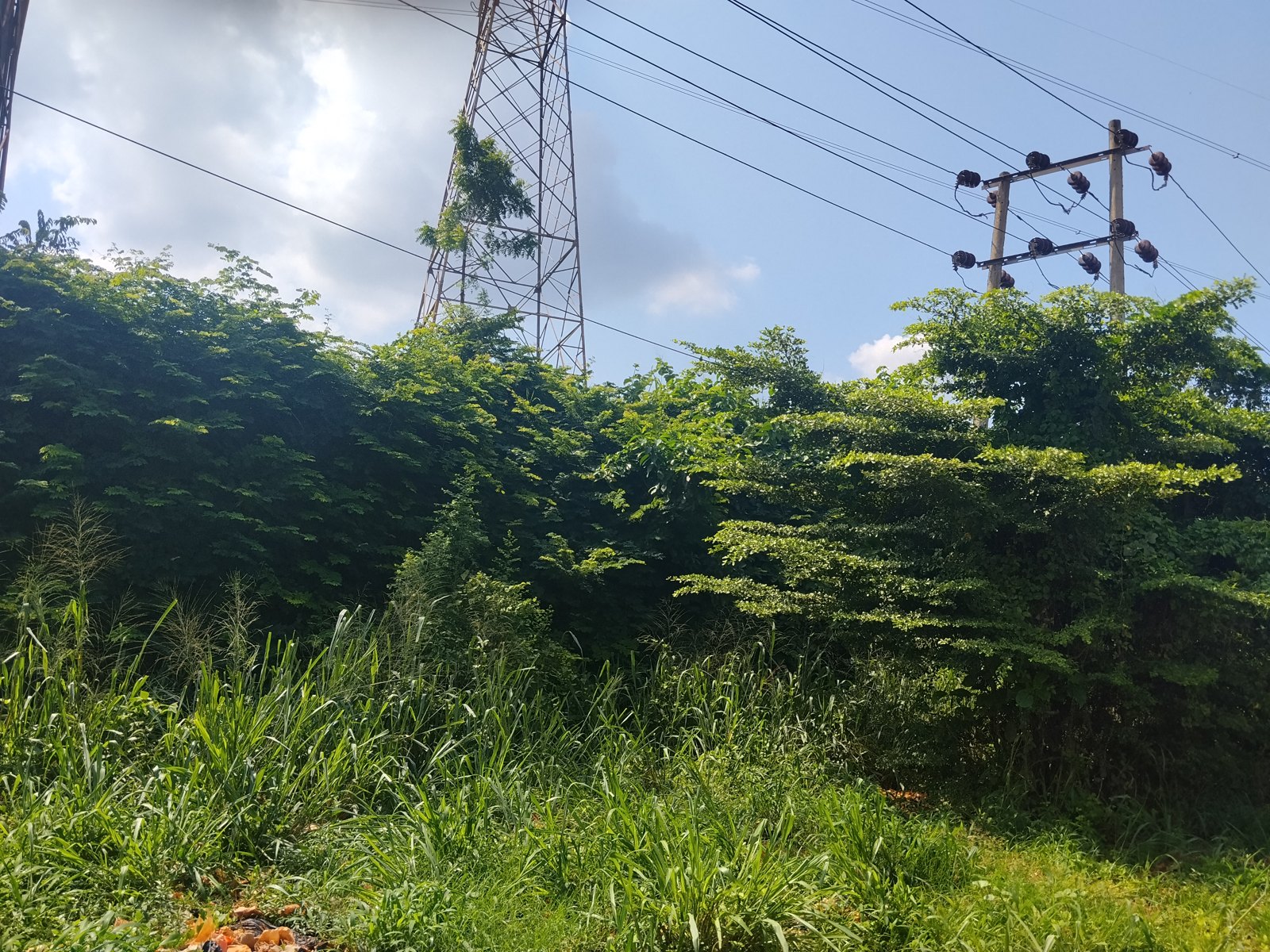
Why NERC dissolved the Kaduna Electric board again
The Nigerian Electricity Regulatory Commission (NERC) issued Order No. NERC/2026/086 after concluding that Kaduna Electricity Distribution Company had failed on financial, operational and regulatory obligations and lacked any credible recovery plan. The regulator described the situation as grave enough to warrant immediate removal of the board and the appointment of Dr Abubakar Umar Hashidu as interim administrator.
The debt profile that triggered the action is stark. As of May 2026, Kaduna Electric owed N415.5 billion (US$304.8 million) to the Nigerian Bulk Electricity Trading company (NBET), N41 billion (US$30.1 million) to the Nigerian Independent System Operator (NISO), and N14.26 billion (US$10.5 million) in other statutory and third-party obligations. The combined N456.5 billion (US$334.9 million) in market debt represents a more than doubling of the roughly N182 billion (US$133.5 million) that prompted NERC’s first intervention in January 2024.
That earlier takeover had also installed Hashidu as sole administrator, with a mandate to stabilise the utility and prepare it for sale to a new core investor. The fact that NERC is now repeating the exercise suggests the underlying balance-sheet and governance problems were never resolved, despite nearly two and a half years of regulatory control.
A debt spiral that mirrors Nigeria’s power-sector crisis
Kaduna Electric’s troubles are not an isolated corporate failure. They sit inside a broader liquidity crisis that has plagued Nigeria’s electricity market since the 2013 privatisation, when the government sold distribution and generation assets to private investors while retaining transmission under state control.
The structural problem is a persistent gap between what electricity consumers pay, what distribution companies (DisCos) remit upstream, and what generators and gas suppliers are owed. When tariffs are held below cost-recovery levels, the difference becomes a subsidy obligation that lands on the federal budget, creating a chain of arrears that eventually chokes the entire market.
In 2025 the federal government paid only N76.95 billion (US$56.4 million) of N1.928 trillion (US$1.41 billion) in electricity subsidy needs, leaving a funding gap that worsened cash-flow stress across the sector. That underpayment means the same debt is effectively being rolled forward through the market rather than extinguished, with DisCos like Kaduna Electric accumulating ever-larger obligations to NBET and the system operator.
The liquidity loop that traps distribution companies
Nigeria’s power market operates in what analysts call a liquidity loop. DisCos collect too little revenue from customers to cover bulk power purchases, network losses and debt service, so they fall into arrears with NBET and gas suppliers. That reduces generation, which worsens blackouts, which further weakens revenue collection and public willingness to pay.
Several structural drivers keep the loop spinning. Tariff shortfalls and non-cost-reflective pricing force the government to subsidise the gap. Poor collections and high technical and commercial losses inside DisCos erode cash flow. Weak investment in networks and metering limits both recoveries and service quality. Federal and state ministry, department and agency arrears add to the pile of unpaid bills.
NERC has been trying to break this cycle through tighter financial oversight. In July 2026 the regulator introduced an order requiring some DisCos to ring-fence collections for capital expenditure and debt repayment, with different percentages depending on whether the utility has market debts. The move signals a shift from passive oversight to active financial engineering.
What Kaduna Electric’s collapse means for investors
For international investors and development partners, repeated regulatory takeovers send a mixed signal. On one hand, they show the Nigerian state is willing to intervene decisively when privatised utilities fail. On the other, they underscore the commercial risk embedded in downstream electricity assets that cannot generate enough revenue to cover their costs.
The World Bank has framed Nigeria’s power sector as a reform and recovery problem tied to fiscal sustainability and private-sector confidence. Its Nigeria Distribution Sector Recovery Program aims to strengthen DisCo performance, but the Kaduna case illustrates how deep the rot runs. A utility that was already under regulatory administration for over two years still managed to more than double its debt.
The geopolitical dimension is also relevant. China has long been a major supplier of infrastructure financing and equipment for Nigerian power expansion. Multilateral lenders and Western development finance institutions watch these interventions closely because power-sector failure affects everything from manufacturing competitiveness to sovereign credit perception. For a country of more than 200 million people, chronic electricity shortages remain a binding constraint on economic growth.
The 2013 privatisation model under strain
Kaduna Electric’s repeated failure is part of a larger story about Nigeria’s 2013 power-sector privatisation. The model was meant to create bankable, independently run utilities that would invest in networks, reduce losses and collect enough revenue to pay for bulk power. More than a decade later, that vision has not materialised for several DisCos.
NERC is increasingly acting as a crisis manager rather than a conventional regulator. The Kaduna intervention is the most dramatic example, but the July 2026 ring-fencing order shows the commission is now dictating how DisCos allocate their own cash flow. That level of micro-management reflects a regulator that has lost confidence in the ability of private operators to run viable businesses under current market conditions.
The debt numbers tell the story of a model under severe strain. Kaduna Electric’s N456.5 billion (US$334.9 million) in market obligations is not a one-off corporate scandal. It is a symptom of tariff suppression, subsidy arrears and weak collections that affect the entire market. Until those structural problems are addressed, regulatory takeovers may become a recurring feature of Nigeria’s power landscape.
What to watch in the next six months
Hashidu’s appointment as interim administrator runs for an initial six months, meaning the next decision point falls around February 2027. NERC’s order states that Kaduna Electric had no credible recovery plan, so the administrator’s first task will be to produce one that the regulator can accept.
The broader market context will shape whether that plan has any chance of success. If the federal government continues to underpay subsidy obligations and tariffs remain below cost-recovery levels, even the most competent administrator will struggle to close the gap between revenue and liabilities. The July 2026 ring-fencing order may help, but it cannot substitute for a functioning tariff framework.
For readers tracking Africa’s infrastructure and energy markets, the Kaduna Electric story is a case study in the gap between privatisation promises and operational reality. It also connects to the wider scramble for influence and investment across the continent, a theme explored in our pillar series Africa: The New Scramble. Nigeria’s ability to fix its power sector will be one of the defining tests of whether regulatory reform can unlock the economic potential that its population and resource base imply.
More: Nigeria news in English, every day from The Rio Times.
Frequently Asked Questions
Why did NERC dissolve the Kaduna Electric board in August 2026?
NERC dissolved the board because Kaduna Electric had accumulated N456.5 billion (US$334.9 million) in market obligations and N14.26 billion (US$10.5 million) in other statutory debts, with no credible recovery plan to address the financial distress.
Who is running Kaduna Electric after the board dissolution?
Dr Abubakar Umar Hashidu has been appointed interim administrator for an initial six months, the same role he held after NERC’s first intervention in January 2024.
How does Kaduna Electric’s debt compare to the earlier intervention in 2024?
The debt has more than doubled, rising from roughly N182 billion (US$133.5 million) at the time of the January 2024 board dissolution to N456.5 billion (US$334.9 million) by May 2026.
Connected Coverage
For deeper analysis of how infrastructure, energy and great-power competition are reshaping the continent, read our pillar series Africa: The New Scramble.
Sources
This article was produced by The Rio Times’ automated newsroom system. How we use AI · Report an error
LatAm Markets: Live Signals → — real-time movers, turnover leaders and FX across Latin America.
Read More from The Rio Times