Mozambique Backs 284 of 292 UN Rights Recommendations and Rejects Eight
Mozambique · POLITICS
Key Facts
- —What happened Mozambique supports 284 of the 292 recommendations made at its Universal Periodic Review. It notes the remaining eight.
- —The context The review took place against a backdrop of post-election rights concerns, insecurity in Cabo Delgado, and civic-space restrictions cited by other states.
- —The trend In 2021 Mozambique accepted 236 of 266 recommendations, a lower acceptance ratio than the 2026 figure.
- —Who pressed hardest The United Kingdom raised accountability, civic space and security-force abuses in its statement on 5 May 2026.
- —What comes next Mozambique must now implement the accepted recommendations while balancing donor expectations, security needs, and diplomatic relationships.
Mozambique has told the UN Human Rights Council it supports 284 of the 292 recommendations put to it. It notes the other eight.
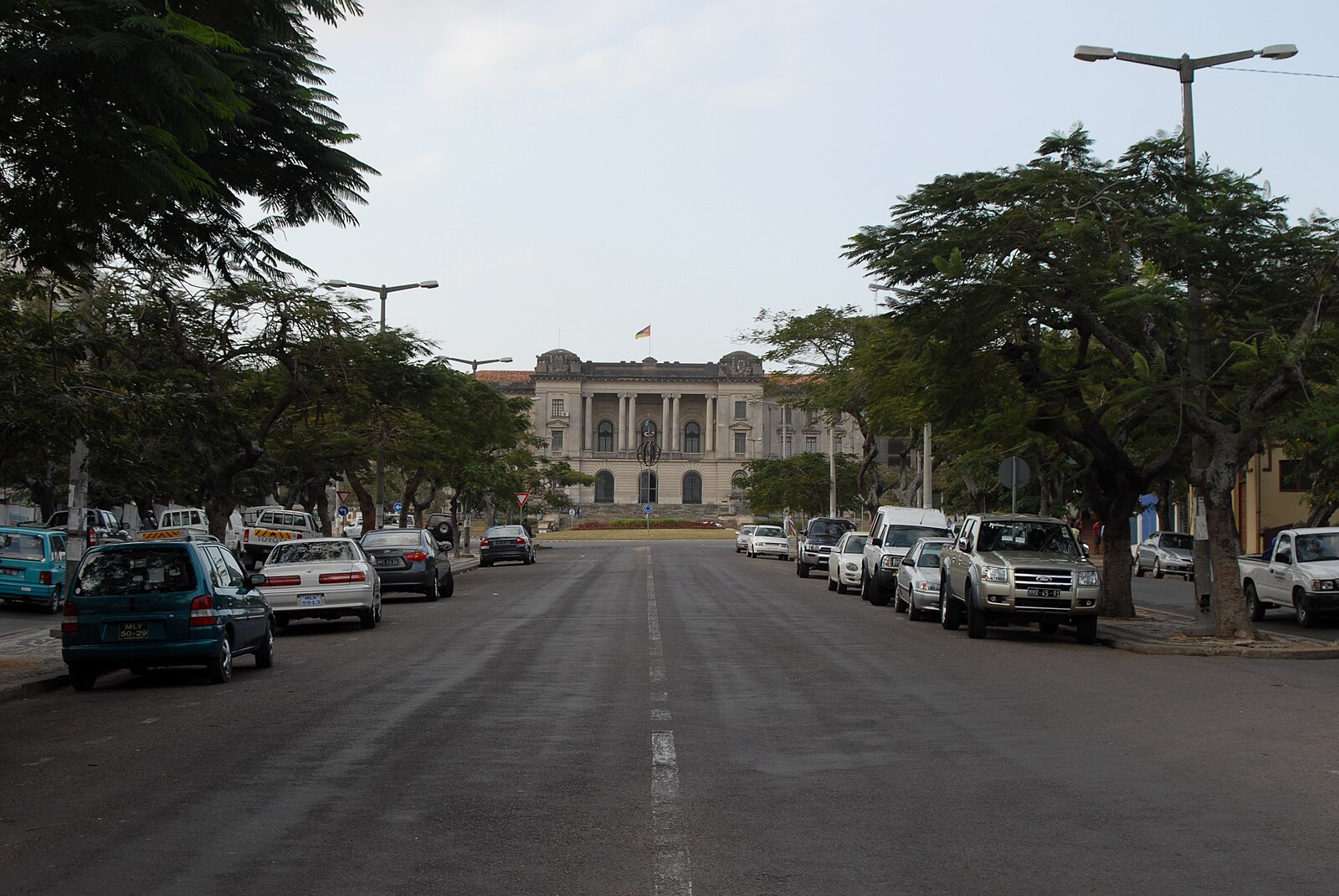
The review itself took place on 5 May 2026, when 109 delegations put 292 recommendations to Mozambique. The government set out which ones it supports this week, at the Council’s 63rd session in Geneva.
What the Geneva review covered
Justice Minister Mateus da Cecilia Feniasse Saize led the delegation and announced the position. The supported recommendations cover rule of law, access to justice, women’s, children’s and disability rights.
The working group adopted its report on 15 May. A national consultation followed, and the split was endorsed in Maputo on 28 August 2026.
The backdrop was difficult. States raised post-election violence from October 2024, insecurity in Cabo Delgado and restrictions on civic space.
Western states keep the pressure on
Mozambique’s acceptance ratio has risen. In 2021 it supported 236 of 266 recommendations, a lower proportion than this time.
The United Kingdom pressed on accountability, civic space and security-force abuses. Germany asked Mozambique to ratify the Rome Statute, and Ukraine, Costa Rica and Cote d’Ivoire raised enforced disappearance.
Austria, Belgium, Ireland, Latvia and Lesotho raised the October 2024 post-electoral violence, journalists and human rights defenders. Mozambique needs external support on security and development while managing that scrutiny.
The money and power stakes
Mozambique sits at the centre of a broader contest over governance, security, and external influence. The country is affected by insurgency, displacement, climate stress, and major investment interests, particularly in natural gas.
Donor governments that fund development and security programmes increasingly tie their support to human-rights benchmarks. Accepting 284 recommendations helps Mozambique keep those channels open while signalling willingness to engage.
The UPR process is not legally binding, but it shapes diplomatic reputations. For a country seeking investment and security partnerships, the review outcome matters beyond the chamber in Geneva.
Cabo Delgado and the security dimension
Insecurity in Cabo Delgado province remains a central concern for both Mozambique and its international partners. The insurgency there has displaced communities and drawn in external security actors.
Recommendations touching on security-sector accountability speak directly to how military and police forces operate in conflict-affected areas. Western states have consistently linked continued support to credible investigations of abuses.
Mozambique’s acceptance of these recommendations does not guarantee implementation. But it creates a documented commitment that donors and rights bodies can reference in future discussions.
The great-power and South-South angle
Mozambique’s diplomatic balancing act involves more than Western donors. The country also maintains relationships with emerging powers and participates in South-South cooperation frameworks.
The UPR outcome fits into a wider pattern of African states using multilateral forums to manage external scrutiny. Accepting most recommendations while noting a few allows Mozambique to appear cooperative without ceding full control.
For readers following resource competition and governance across the continent, this story connects to the dynamics covered in Africa: The New Scramble. External actors with interests in gas, aid, and regional stability are watching how Mozambique navigates these commitments.
What to watch next
The immediate next step is implementation. Mozambique must now translate the 284 accepted recommendations into domestic policy and practice, a process that typically takes years.
Donor governments will likely raise the UPR commitments in bilateral meetings on security and development assistance. The United Kingdom set out three of its own in its published statement.
The next UPR cycle will measure progress against the 2026 baseline. For investors and professionals tracking Mozambique, the key question is whether acceptance in Geneva translates into measurable change on the ground.
Frequently Asked Questions
How many UN recommendations did Mozambique accept in 2026?
Mozambique supports 284 of the 292 recommendations put to it at its fourth-cycle review. It notes the remaining eight.
What issues did the recommendations cover?
The accepted recommendations covered rule of law, democracy, women’s and children’s rights, disability rights, vulnerable groups, and cooperation with human-rights mechanisms.
Which countries pressed Mozambique hardest at the review?
The United Kingdom raised accountability, civic space and security-force abuses in its statement on 5 May 2026.
Connected Coverage
Sources
This article was produced by The Rio Times’ automated newsroom system. How we use AI · Report an error
Read More from The Rio Times