Mexico Inflation Turned Back Up in August, but Not for the Reason That Worries a Central Bank
MEXICO · ECONOMY
Mexico latest: Mexico news — latest coverage · Mexico's Sheinbaum Meets Chihuahua Governor After Row Over US Agents
Key Facts
- —The headline Annual inflation reached 3.26 percent in August 2026, up from 3.12 percent in July.
- —The month Consumer prices rose 0.20 percent from July, with the index at 145.462.
- —The core Annual core inflation eased to 3.88 percent from 3.95 percent the previous month.
- —The catch Headline up and core down means the volatile components did the work, not underlying prices.
- —The streak August ended four consecutive months of falling annual inflation.
- —The rate Banxico’s target for the overnight interbank rate stands at 6.50 percent, unchanged since June.
Headline inflation rose and core inflation fell in the same month. That combination points at food and energy rather than at anything the central bank can fix.
Mexico inflation rose to 3.26 percent in the year to August. The statistics institute INEGI published the full-month figure on Wednesday 9 September.
That is up from 3.12 percent in July. It ends four consecutive months of falling annual inflation, running from April through July.
Prices rose 0.20 percent over the month. The consumer price index stood at 145.462.
On its own that reads as a deterioration in Mexico inflation. The core figure says otherwise.
Why the Core Number Changes the Story
Annual core inflation came in at 3.88 percent. In July it was 3.95 percent.
Core inflation strips out the most volatile items, chiefly fresh food and energy. It is the measure central banks actually watch.
So the headline rose while the underlying measure fell. Arithmetic then forces a conclusion about the rest.
If core went down and the total went up, the non-core basket must have risen sharply. It did: the annual non-core rate went from 0.29 percent in July to 1.13 percent in August.
What Sits in the Non-Core Basket
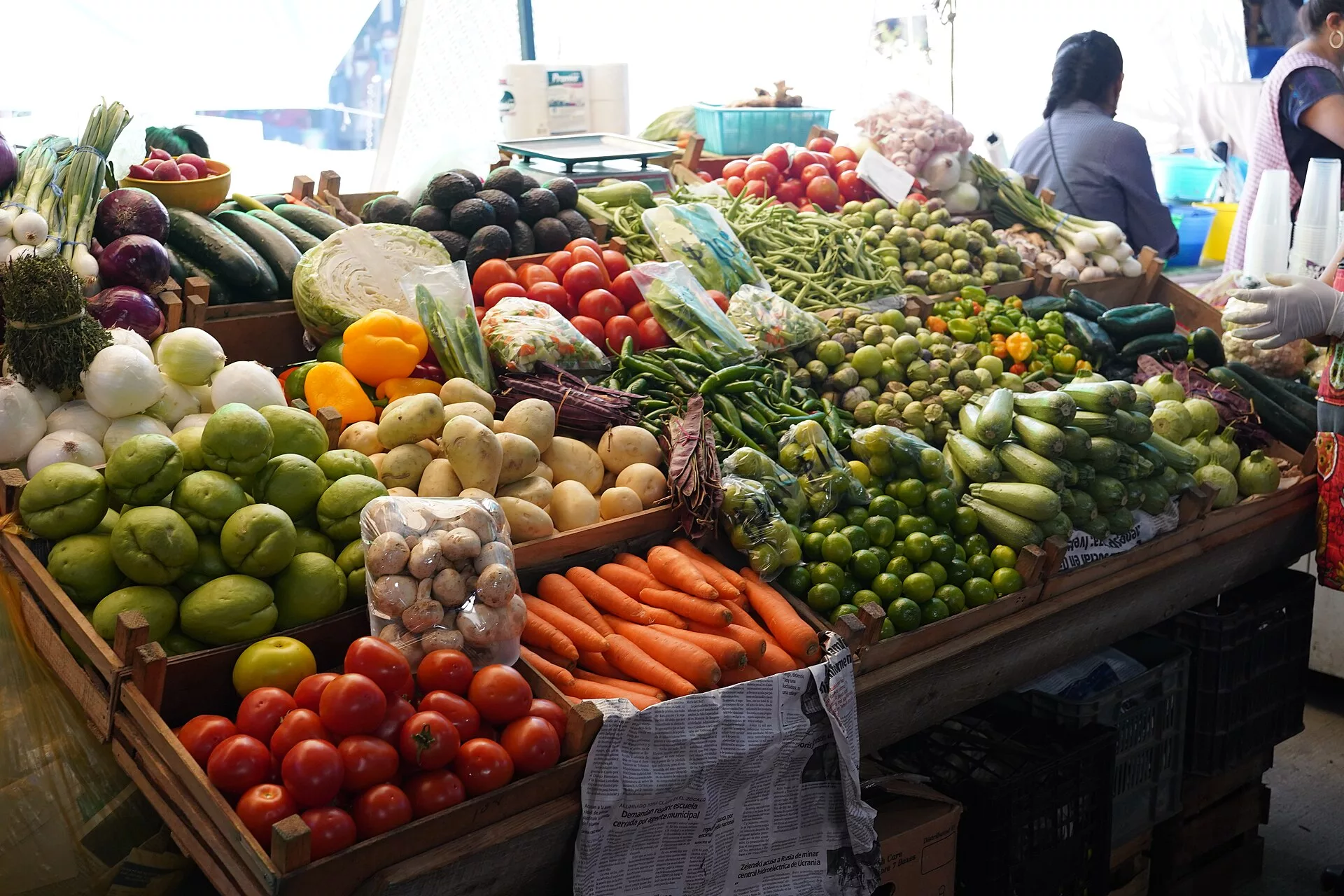
Fresh fruit and vegetables move on weather and harvest timing. A single bad month for tomatoes or onions can lift a national index.
Energy prices move on global crude and on domestic policy. Brent passed US$100 a barrel this week for the first time since late July.
That basket is agricultural produce, fuel and administered prices, and none of it responds to interest rates. A central bank raising rates does not make it rain or bring the barrel down.
That is why the core and headline split matters more than either number alone. INEGI has not published the component detail behind August’s move.
Where This Leaves Banxico
The Bank of Mexico’s target for the overnight interbank funding rate is 6.50 percent. It was held there in June and again in August.
The bank targets 3 percent inflation with a tolerance band of one percentage point either side. At 3.26 percent, August is comfortably inside that band.
A headline reading inside the band with core easing is not a case for tightening. It is not obviously a case for cutting either.
The pause looks likely to continue on this data alone. One month rarely moves a central bank that has already held twice.
The Trend Is Still Down
June’s annual rate was 3.37 percent and July’s 3.12 percent. August at 3.26 percent sits between them.
Read across three months, this is a flat line with noise, not a turn. The July print was the outlier on the low side.
Mexico inflation has spent 2026 close to target, which is not the recent norm for the region. Brazil, Colombia and Chile are all further from theirs.
Chile’s August annual rate reached 4.1 percent against a 3 percent target. The contrast is the useful context here.
What It Means for Residents
For households the practical effect of Mexico inflation is in the shopping basket, not in rent. Non-core prices are felt weekly and forgotten monthly.
Wage negotiations and indexed contracts key off the headline number. That is where a 3.26 percent print has durable consequences.
Anyone holding peso savings is still earning a real return at a 6.50 percent policy rate. That gap is unusually wide by regional standards.
What to Watch
The first marker is the component breakdown when INEGI publishes it. The size of the non-core move decides whether this is noise.
The second is oil. Crude above US$100 feeds into Mexican fuel prices with a lag of weeks.
The third is September’s print. Two rises in a row would make the flat-line reading harder to sustain.
The fourth is the peso. A weaker currency imports inflation directly, and Mexico imports a large share of its food.
More: Mexico news in English, every day from The Rio Times.
Frequently Asked Questions
What was Mexico’s inflation rate in August 2026?
Annual inflation reached 3.26 percent, up from 3.12 percent in July, with consumer prices rising 0.20 percent over the month. INEGI published the figure on 9 September 2026 and the index stood at 145.462.
Why does the core rate matter more?
Core inflation excludes fresh food and energy, the items that swing on weather and global oil rather than on domestic demand. Core eased to 3.88 percent from 3.95 percent in August, which means the headline increase came from the volatile components.
What is Mexico’s interest rate?
The Bank of Mexico’s target for the overnight interbank funding rate is 6.50 percent. It was held unchanged at both the June and August 2026 meetings. The bank targets 3 percent inflation with a one-point tolerance band.
Sources: INEGI, Banco de México, EFE, López-Dóriga, Investing.com, Mexico News Daily, Reuters, Rio Times.
This article was produced by The Rio Times’ automated newsroom system. How we use AI · Report an error · Editorial responsibility: Matthias Camenzind, Editor-in-Chief
In depth