Mexico Names 205 Gas Stations That Broke Its Diesel Price Cap
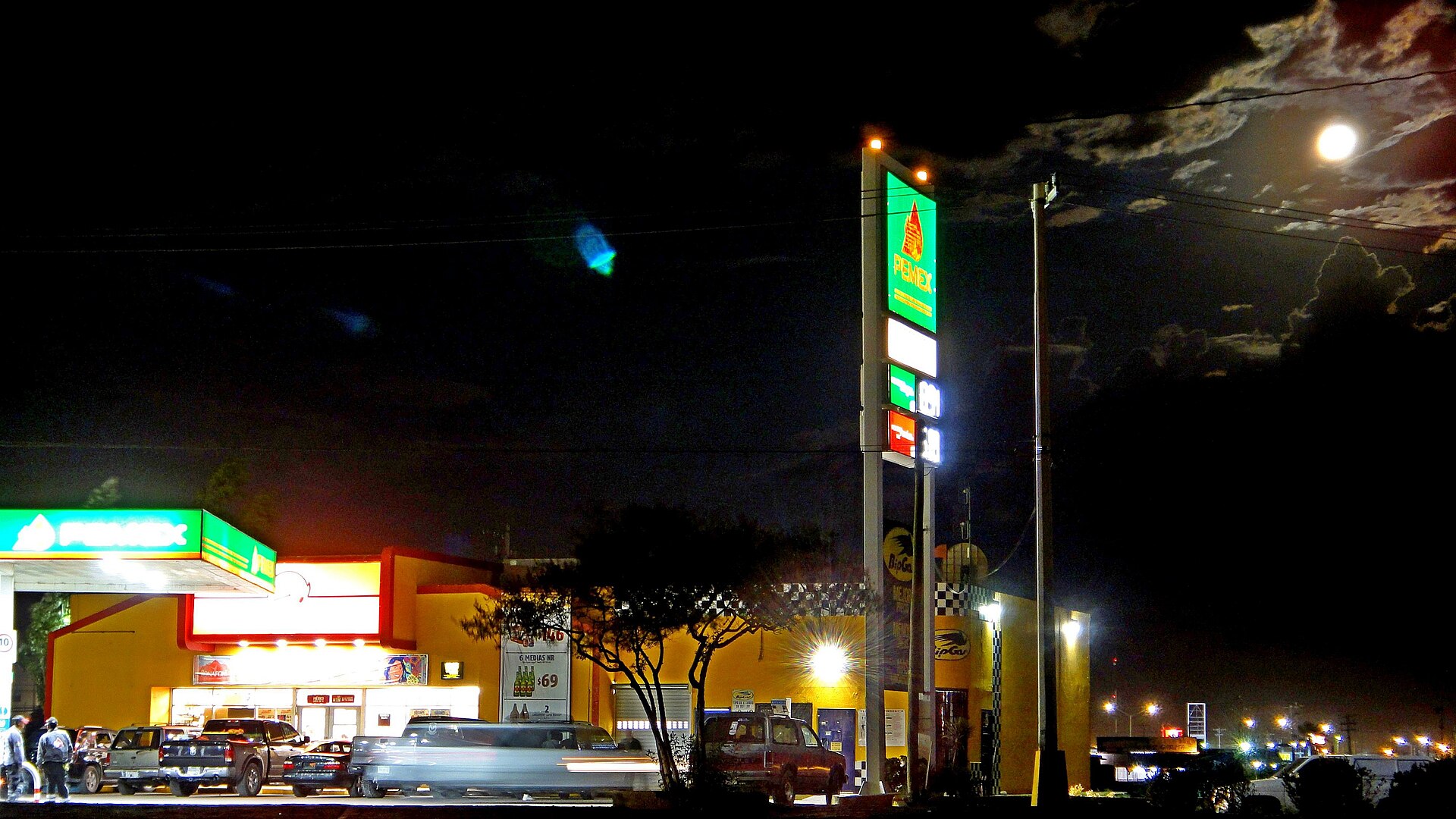
Energy
Key Facts
—The list. Mexico’s government published a document naming 205 gas stations selling diesel above the agreed cap.
—The cap. A voluntary deal struck in late April aims to hold diesel at or below 27 pesos ($1.54) a litre.
—The compliance. Officials say roughly 80 percent of the country’s stations have signed on to the effort.
—The backers. The finance and energy ministries, consumer watchdog Profeco, Pemex and the National Guard are all behind the push.
—The stake. Diesel moves freight, food and public transport, so its price feeds straight into inflation.
Mexico’s government has escalated its Mexico diesel price cap campaign by publicly naming the gas stations still selling above the agreed limit.
In a weekend communiqué, federal agencies released a document listing 205 service stations across the country. Each entry gives the state, town, address and permit number of a station that has not joined the effort.
The government said the named stations had made no effort on behalf of the Mexican people. It accused them of selling diesel above what it called a reasonably fair margin.
How the Mexico diesel price cap works
The arrangement dates to late April. Amid rising fuel prices, the government and the fuel-retail sector agreed to hold diesel at or below 27 pesos, around one and a half dollars, a litre.
Crucially, the deal is voluntary. It leans on persuasion and support measures rather than a legal ceiling, which is why the government is now using public pressure instead of fines.
To make the target reachable, authorities offered carrots. These included fiscal incentives, lower card-payment commissions, direct support from Pemex, and reinforced supply-chain logistics and security.
Officials say the strategy is largely working. By their count, about eight in ten of the country’s stations are now complying with the cap.
Why the Mexico diesel price cap matters for prices
For a foreign reader, the point is inflation. Diesel is the fuel that moves trucks, freight and much of public transport, so its price ripples through the cost of almost everything.
That is why President Claudia Sheinbaum’s team has treated fuel costs as a political priority. Holding the line on diesel is part of a broader effort to keep a lid on consumer prices.
The naming exercise also reveals the limits of a voluntary pact. Without a hard legal cap, the government’s main tool against holdouts is reputational pressure rather than penalties.
For the stations, the squeeze is real. Retailers have complained that selling at the target price leaves thin or negative margins, setting profit against the pact.
The gap between the target and reality has been visible for weeks. Earlier surveys found many stations still selling diesel around a peso above the cap, and in some states the average price sat well higher.
The pressure has also been building publicly. The consumer watchdog has said a large share of stations adjusted their prices after inspection visits, a sign the campaign relies heavily on being seen to check.
The published list is the next turn of that screw. By putting names, addresses and permit numbers in the open, the government invites drivers and rivals alike to notice who is charging more.
For a foreign resident, the practical takeaway is modest but useful. Diesel remains near the capped level at most stations, but the outliers are real, and the official list is now a public tool for spotting them.
The wider signal matters more for investors. It shows a government willing to lean hard on private business to defend a price target, a reminder that fuel policy in Mexico is as much political as commercial.
The backdrop is a volatile oil market. Global crude swings this year, driven partly by conflict in the Middle East, have made holding any domestic fuel price steady both harder and more politically valuable.
Whether the naming tactic moves the holdouts is the open question. If enough of the 205 fall into line, the government can claim a win, but a stubborn tail would expose how much a voluntary deal ultimately depends on goodwill.
What is the Mexico diesel price cap?
It is a voluntary agreement, struck in late April between the government and fuel retailers, to hold diesel at or below 27 pesos, about one and a half dollars, a litre. The aim is to stop rising fuel costs from feeding into wider inflation across the economy.
What did the government do about the Mexico diesel price cap?
Federal agencies published a list of 205 gas stations that have not joined the cap and continue to sell diesel above it. The document names each station’s state, town, address and permit number, and the government urged them to fall in line.
Why does the Mexico diesel price cap matter?
Diesel powers freight, food distribution and public transport, so its price flows through to almost everything consumers buy. Keeping it capped is central to the government’s fight against inflation, though a voluntary deal has limited tools to enforce it.
More: Latin America news in English, every day from The Rio Times.
Frequently Asked Questions
What is the Mexico diesel price cap and when was it established?
The Mexico diesel price cap is a voluntary agreement struck in late April that aims to hold diesel at or below 27 pesos ($1.54) a litre. The deal relies on persuasion and support measures rather than mandatory enforcement.
How many gas stations were publicly named for selling diesel above the cap?
The government published a document naming 205 gas stations across the country that were selling diesel above the agreed limit. Each entry includes the state, town, address, and permit number of the non-compliant station.
Which organizations are backing the Mexico diesel price cap effort?
The finance and energy ministries, consumer watchdog Profeco, Pemex, and the National Guard are all behind the push. Officials report that roughly 80 percent of the country's gas stations have signed on to the effort.
Connected Coverage
Mexico Pemex $21B Investment Plan for 2026
Vitol Plans Mexico Fuel Terminal After Pemex Bribery Scandal
This article was produced by The Rio Times’ automated newsroom system. How we use AI · Report an error · Editorial responsibility: Matthias Camenzind, Editor-in-Chief
LatAm Markets: Live Signals → — real-time movers, turnover leaders and FX across Latin America.