Mexican Peso Experiences Worst Week in Four Years Following Elections
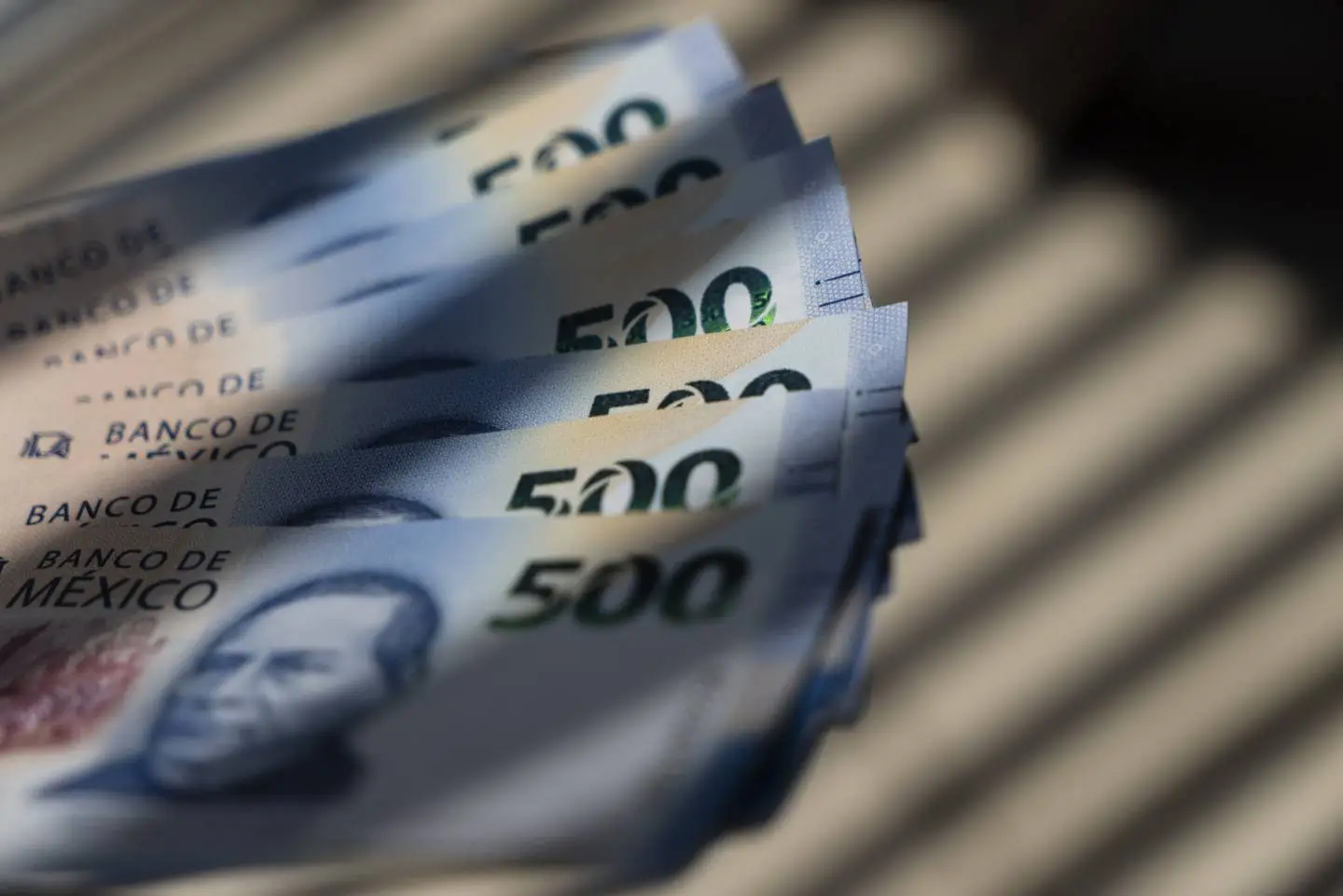
The Mexican peso dropped over 5% last week, marking its most severe decline in four years. This followed a shocking election outcome that rattled global currency markets.
With the ruling Morena party’s landslide victory, investors feared that new reforms could undermine economic stability.
Analysts warned that the expected reforms might damage Mexico’s business environment.
On June 6, as the party leader spoke of pushing reforms, the peso plunged 3% within minutes. Later, these remarks were withdrawn.
Such fluctuations challenge the peso’s reputation as a stable choice for carry trades, where investors profit from high-interest rate differentials.
Until recently, Mexico attracted investors with its high rates and proximity to the U.S.
Despite market predictions of a presidential win, the ruling party’s strong performance in both legislative houses was unforeseen. This result caused significant market upheaval.
Following the peso’s sharp fall, the President-elect Claudia Sheinbaum tried to stabilize the markets by confirming the continuation of the current Finance Minister.
However, a planned investor call faced technical issues, and the brief connection didn’t reassure the markets.
Despite these challenges, some analysts see a potential recovery for the peso, expecting volatility from both the new government and upcoming U.S. elections.
They suggest the peso could stabilize and remain attractive long-term. On June 6, the President-elect indicated openness to discussing the reforms.
Yet, with a strong mandate, the ruling party might pursue significant changes like reducing bank fees, a previously favored policy.
This situation raises significant questions about the ruling party’s future direction in Mexico, leaving the market cautious but watchful.
Key Facts
— Deep Dive
— For the complete picture, read our in-depth guide: Mexico Economy 2026: GDP, Peso, Nearshoring, Banxico and Trade
More: Mexico news in English, every day from The Rio Times.
This article was produced by The Rio Times’ automated newsroom system. How we use AI · Report an error
In depth
Read More from The Rio Times