Meet the Swiss who laundered money for the Chavista oligarchy and is a key witness against Maduro’s children
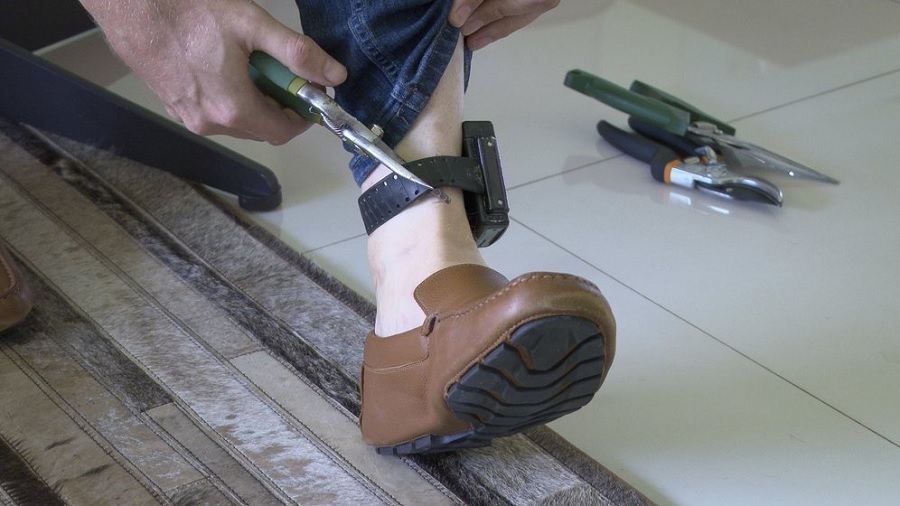
RIO DE JANEIRO, BRAZIL – Matthias Krull pulls up his pant leg, attaching a pair of pruning shears to the ankle device that has reminded him of his crimes for two years.
Armed with a court order, the former Swiss banker cuts through the hard plastic, which releases a torrent of emotion. “Physically I got used to it, but psychologically it’s liberating,” Krull, 47, said from his rented home in Miami. “Being able to wear shorts again is a big thing. I would go to my son’s soccer games, it was 100 degrees (about 38 degrees Celsius) and everyone was wearing shorts.”

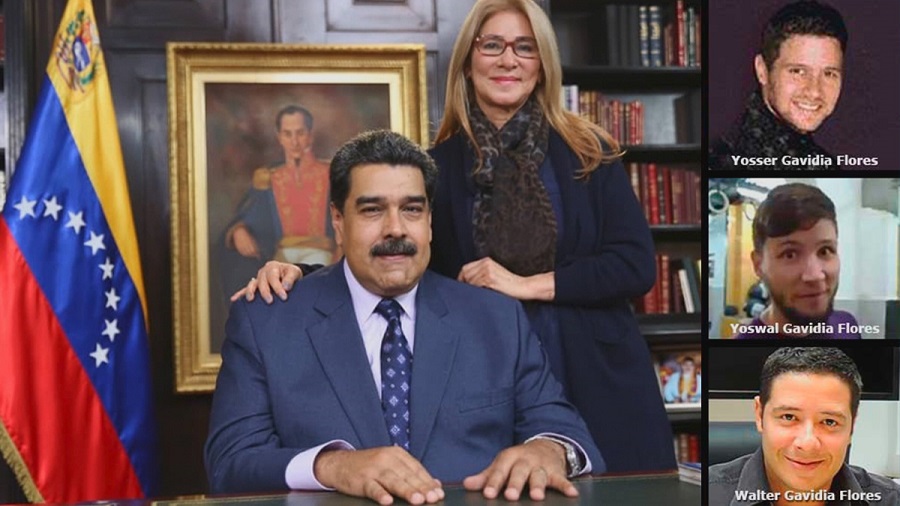
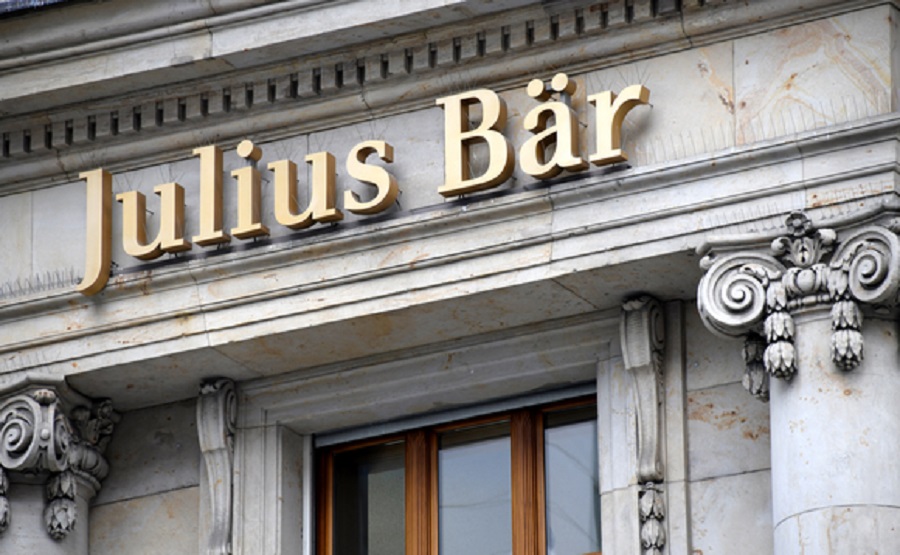
Krull’s legal problems stem from his work in Venezuela, which has been plagued by corruption in two decades of socialist rule. At the time, Krull, who worked for the Julius Baer Group, was the private banker for people connected to the government. Among his clients were Nicolás Maduro’s stepchildren.
The banker was arrested in 2018 at the Miami airport and indicted for money laundering, kicking off his second act as a star witness for U.S. federal investigators trying to unravel the corrupt Venezuelan network that embezzled billions of oil dollars.
Krull’s assistance has been instrumental. Since pleading guilty, he has helped the prosecution to recruit other Swiss bankers as witnesses, pressured others to turn themselves in, and assisted in European investigations.
In recognition of those efforts, a judge in September reduced his original 10-year prison sentence by 65% and allowed him to remove his tracking device. He is scheduled to begin his 42-month sentence this summer.
Hovering over the whole process is a more pressing question: whether anyone else was responsible. Although the Julius Baer Group branded Krull’s actions as those of a wayward employee, the Swiss regulator found last year that the entity ignored red flags and encouraged bad behavior. “The goal was to bring in new money,” Krull said. “They didn’t really care about the profitability of the accounts.”
Zurich-based Julius Baer declined to answer questions in detail, so this dispatch reflects Krull’s view, expressed in several interviews. Many of the details are supported by court documents and U.S. officials.
For Krull’s rivals, his advantage lay in his childhood. His father, a Lutheran pastor, moved there with the family from Germany when Krull was 7 years old. At a private German school in Caracas, he built up a network of contacts in the city’s elite while learning the lingo of the hillside villas.
His early years at Julius Baer were a whirlwind driven by good times. Hugo Chavez was at the height of his power, oil prices were rising to record highs and wealthy Venezuelans were looking for ways to stash their money outside the country.
“The joke among bankers was that the money was lying on the floor, you just had to take it,” he said.
Krull estimates he managed more than US$1 billion in deposits, earning him a spot in Julius Baer’s “Chairman’s Club,” the top 10% of managers.
But there was a riskier side. Kidnappings and extortions of bankers were frequent, and Krull moved around with an armed bodyguard. After a shooting outside his apartment by men apparently looking for him, Krull moved to Panama, but continued to travel to Venezuela on business.
A high-risk currency exchange gone wrong led to Krull’s arrest, although his role in the operation was small and he only intervened towards the end, according to US investigators.
In 2014, one of Krull’s clients made a bolivar loan to Venezuelan state oil monopoly PDVSA. The oil company repaid the loan two months later in dollars at an exchange rate far above the official rate, allowing the conspirators to take 15 times the amount borrowed, according to the criminal complaint against Krull.
Two years later, Krull’s client asked him to move US$200 million in proceeds from the fake loan to an account at a foreign bank, according to investigators.
His employer instructed Krull to avoid any transactions involving the oil company. So he put his old client in touch with a manager in Panama who, unbeknownst to the other two, was an informant for the U.S. government.
At a meeting at the client’s office in January 2017, Krull met the real beneficiaries of the US$200 million operation: three men decked out in baseball caps and gold chains introduced as “Los Chamos,” a colloquial way of saying “the boys.” They were Maduro’s stepsons.
“At that moment I realized the situation was too big for me,” said Krull, who slipped away from eating with the men with his heart racing.
Krull insists he has been made the scapegoat for a private banking system based on secrecy that facilitated the looting of Venezuelan coffers.
He filed a wrongful termination lawsuit against Julius Baer in Venezuela, in which he described the meeting in early 2017 when he discussed with his superiors what to do with several clients about whom information had been turned over to the U.S. Department of Justice.
Krull alleges that he was instructed not to turn the clients away and to keep their personal accounts open. “The sole objective was to continue to generate revenue for the bank and not to take any real, concrete action to prevent money laundering,” Krull alleges in his lawsuit.
The Swiss regulator last year identified many transactions conducted over a decade that point to “systemic failures” at Julius Baer. Specifically, it concluded that the bank had “significant” failures to vet the identity of Latin American clients and compensated bankers for attracting new funds with little regard for complying with legal requirements.
In a statement, Julius Baer said the criminal activity for which Krull pleaded guilty occurred outside of his duties. The bank says it has cooperated with Swiss authorities.
Mark Pieth, a money laundering expert said that in recent years there have been several scandals involving Swiss banks, so there is no excuse for them not knowing the source of huge sums of money gathered by their collaborators in Venezuela. “With Venezuela all the alarm bells should have gone off,” Pieth said.
The expert said he was surprised that more Swiss financial managers had not been charged. In Switzerland, financial markets supervisor FINMA sent missives with reprimands to two high-level managers as part of the Julius Baer probe, a punishment Pieth likened to “a rap on the knuckles.”
“It’s like asking casinos to identify gambling addicts,” he said. Now, as he waits to serve his sentence, Krull spends his days taking his kids to soccer games and talking to old friends.
“I mostly regret being dragged into this situation, I didn’t have the strength to sound the alarm and step forward by talking to the right people,” Krull said. “That will stay with me for the rest of my life.”
Source: Infobae
More: Brazil news in English, every day from The Rio Times.
In depth
Editorial responsibility: Matthias Camenzind, Editor-in-Chief · Editorial standards · Report an error