São Paulo’s MASP Opens Three New Shows, One of Them Free
Culture
Key Facts
—The openings. São Paulo’s MASP has launched three new exhibitions, all opening in early July.
—The free one. Sol Calero’s colourful installation fills the museum’s open ground floor, with free entry daily.
—The Colombian. Carolina Caycedo’s show, confluências, runs to 4 October across several media.
—The pioneer. A show for Venezuelan kinetic artist Jesús Soto is his first at a Brazilian museum in over 20 years.
—The theme. All sit within the museum’s 2026 programme devoted to Latin American art histories.
São Paulo’s most famous museum has refreshed its walls, and the new MASP exhibitions deepen a year the institution has given over entirely to Latin American art.
Three shows opened in early July at the Museu de Arte de São Paulo, on Avenida Paulista. They add to a busy calendar that already includes a major retrospective of the Mexican artist Damián Ortega.
Together they sharpen the museum’s regional focus. Each artist comes from a different corner of Latin America, and each works in a distinct language, from installation to kinetic sculpture.
What the new MASP exhibitions offer
The headline draw is free. Sol Calero, a Venezuelan-born, Berlin-based painter, fills the museum’s open ground floor with a bright, immersive environment.
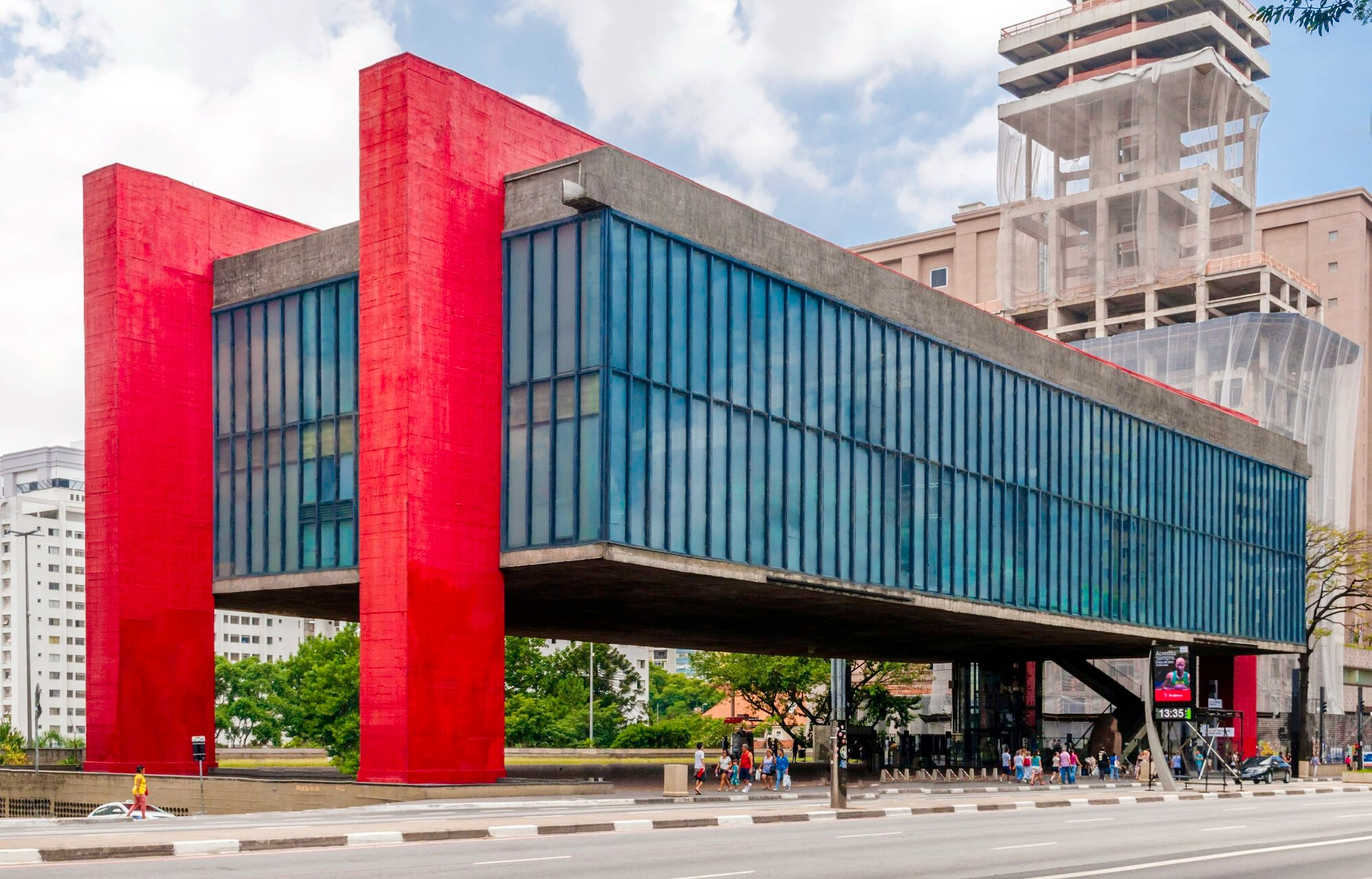
That space is a gift to casual visitors. It sits under the museum’s famous raised block and can be seen daily until late, at no charge, making it an easy first stop.
The second show is more reflective. Carolina Caycedo, a Colombian artist born in London, works across photography, video, installation and drawing to explore rivers, land and community.
The third reaches back in time. It gathers work by Jesús Soto, a giant of kinetic art, whose shimmering, interactive pieces invite viewers to move around and through them.
Why these MASP exhibitions matter
The Soto show is a genuine event. It is the first solo exhibition of the Venezuelan master at a Brazilian museum in more than twenty years, drawing loans from major collections abroad.
The three fit a bigger design. MASP has devoted all of 2026 to Latin American art histories, part of a curatorial series it has run since 2016.
For a foreign visitor, the appeal is clarity. Rather than a single blockbuster, the museum offers a spread of styles and generations under one accessible theme.
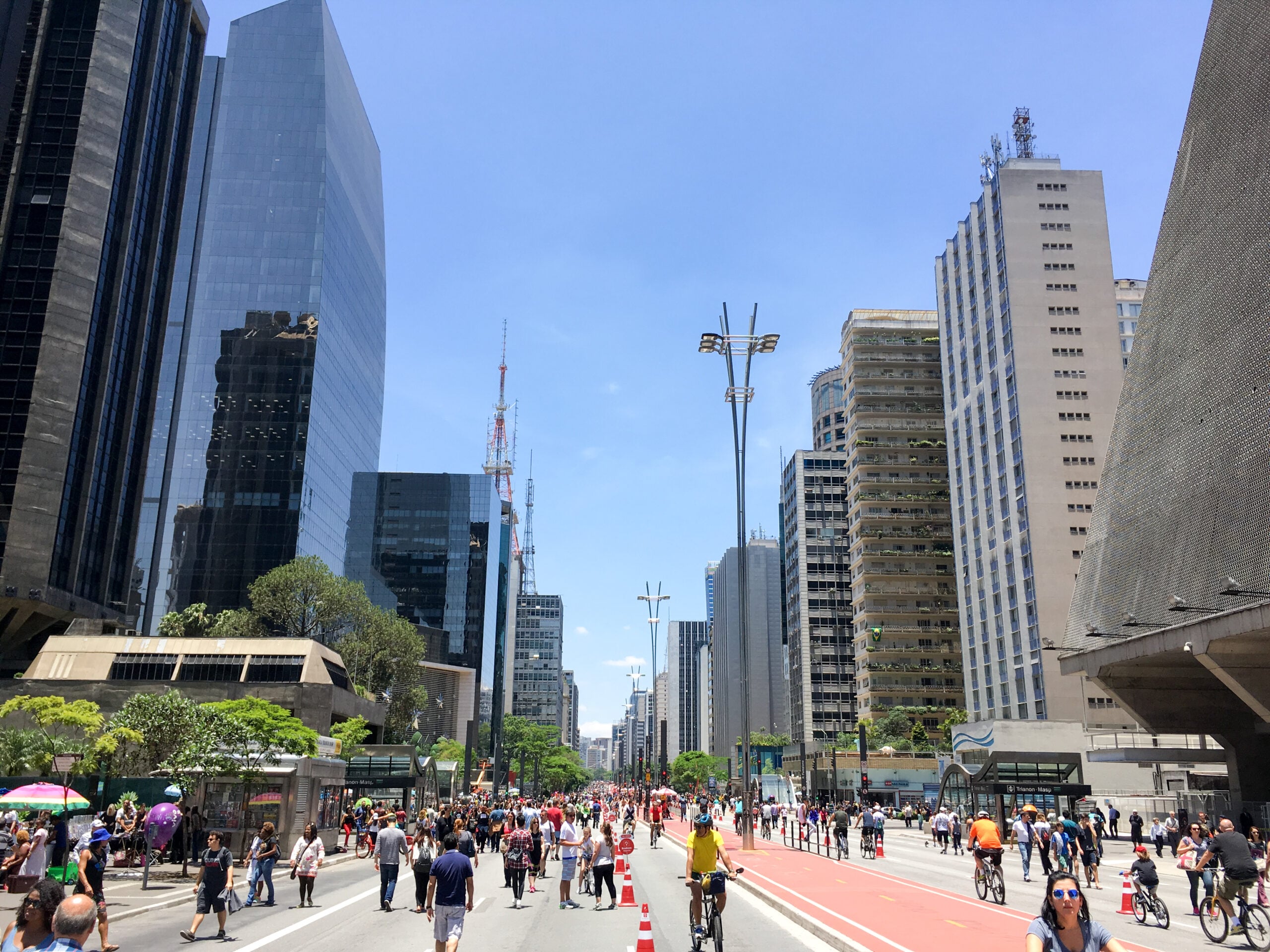
The setting adds to it. MASP now spans two buildings on Avenida Paulista, and a single ticket covers every show across both, a short walk from two metro stations.
The timing suits a budget too. Tuesdays are free all day, and Friday evenings are free for a window, so a well-planned visit need not cost anything at all.
Calero’s work rewards families in particular. Her installations recreate everyday Latin American interiors in saturated colour, spaces made to be walked into rather than simply viewed.
Caycedo’s show carries a political charge. Her work often centres on rivers and the communities affected by dams, tying environmental questions to the region’s social history.
Soto’s pieces are pure spectacle. The Venezuelan helped invent kinetic art, building shimmering fields of rods and lines that seem to vibrate as the viewer moves past them.
The three also speak to a wider trend. Museums across the region are pooling loans and shows, and MASP’s year-long focus has become a reference point for the whole conversation.
The building itself is worth the visit. The main block, raised on red pillars above the avenue, is one of the icons of Brazilian modernist architecture by Lina Bo Bardi.
The winter break gives the timing an extra push. With schools out and the city’s museum season at its peak, July is the natural month to work through the new openings.
Put together, the three shows make an easy recommendation. A free entry point, a heavyweight rediscovery and a rising contemporary voice give a single afternoon real range.
What are the new MASP exhibitions in July 2026?
Three shows opened in early July: a free Sol Calero installation on the ground floor, Carolina Caycedo’s confluências running to 4 October, and a survey of the Venezuelan kinetic artist Jesús Soto. All form part of the museum’s Latin American art programme.
Which MASP show is free?
Sol Calero’s installation, Casa María Lionza, is free to enter. It occupies the open ground floor beneath the museum’s raised block and is open daily until late, making it the easiest of the new shows to drop in on.
How much does MASP cost and when is it free?
A single ticket covers all exhibitions across both MASP buildings, bought on the museum’s website. Entry is free all day on Tuesdays and free on Friday evenings for a set window, so timing a visit can bring the cost to zero.
More: Brazil news in English, every day from The Rio Times.
Frequently Asked Questions
Is there free admission to any of the new MASP exhibitions?
Yes, Sol Calero's installation on the museum's open ground floor is free to enter daily. The space sits beneath MASP's famous raised block and is accessible until late, making it open to casual visitors without charge.
Who are the three artists featured in MASP's new July exhibitions?
The three artists are Sol Calero, a Venezuelan-born, Berlin-based painter; Carolina Caycedo, a Colombian artist whose show confluências runs until 4 October; and Jesús Soto, a Venezuelan kinetic artist whose exhibition marks his first at a Brazilian museum in over 20 years.
What is the overarching theme connecting MASP's 2026 programme?
MASP has devoted its entire 2026 programme to Latin American art histories. The three new July exhibitions, along with an existing retrospective of Mexican artist Damián Ortega, all sit within this regional focus.
Connected Coverage
A Mexican Master Takes Over São Paulo’s Most Famous Museum
This article was produced by The Rio Times’ automated newsroom system. How we use AI · Report an error · Editorial responsibility: Matthias Camenzind, Editor-in-Chief
The São Paulo Guide
What The Rio Times publishes for foreigners in São Paulo, Brazil.
This month
Coming up in São Paulo
- Robbie Williams in São Paulo, Brazil: 'Britpop' Show at Nubank Parque on October 13 — First Visit in 20 Years 13 Oct
- Amorphis Plays Curitiba, Belo Horizonte and São Paulo on Brazil Tour, 15 to 18 October 18 Oct
- The Last Five Years Returns to São Paulo, 9 to 18 October, in the Musical's 25th Year 18 Oct
- Pussycat Dolls in São Paulo, Brazil: Reunion Show at Nubank Parque on October 20, 2026 20 Oct
Living in São Paulo
- São Paulo Governor Race 2026: Tarcísio vs Haddad — Polls, Issues and Stakes
- Rio vs São Paulo Safety for Expats, District by District
- São Paulo Rents Hit Expats for US$2,500 a Month as Jardins Leads Brazil Costs
- São Paulo Got One Listing in Five Years, and Nubank Still Trails Itaú
Nightlife
Understand Brazil