Macau Targets 13.9% Growth in 2024, Pre-COVID Economy by 2025
The IMF projects 13.9% economic growth for Macau in 2024, with a goal of matching pre-pandemic economic levels by next year.
The organization suggests making it easier to hire skilled foreign workers to fuel this expansion.
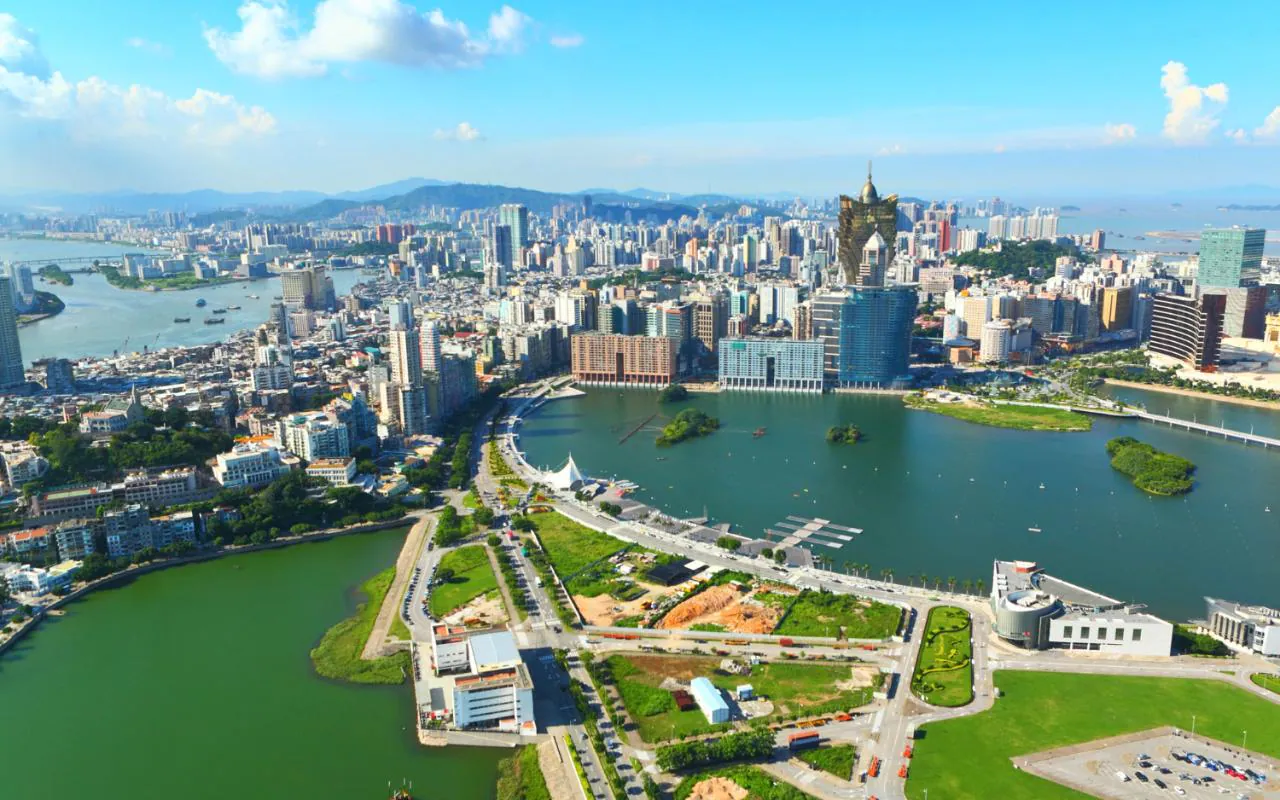
Macau, a former Portuguese colony until 1999, is renowned for its unique blend of Portuguese and Chinese cultures.
This makes it a vibrant hub for tourism and the world’s largest gambling center.
Following an impressive 80.5% increase in 2023, Macau’s GDP is set to rise further. This growth isn’t just from its gaming revival.
Significant private investments, encouraged by casino operators’ commitments to diversify beyond gambling, play a big part.
Casino operators have vowed to spend over 100 billion patacas ($11.4 billion) by 2032. This pledge is part of a new 10-year agreement that kicked off in early 2023.
After a year of casino revenues hitting 180 billion patacas ($20.6 billion), each operator will invest an additional 2.4 billion patacas ($274 million).
The IMF emphasizes the need to diversify Macau’s economy, currently dependent on tourism and casinos.
It aims to boost the city’s ability to withstand future challenges, particularly those from mainland China.
Real estate downturns, local government financial issues, investment drops, or rising geopolitical tensions could affect Macau’s Chinese economy.
To diversify the economy, the IMF recommends more public investment in people and easier hiring of foreign experts.
Macau Targets 13.9% Growth in 2024
This strategy helps Macau’s companies attract global talent, essential for economic variety.
Since August, Macau has halted new residency applications for Portuguese nationals seeking specialized technical roles.
Only family reunification or existing ties to Macau now justify applications.
This move changed a long-standing practice after Macau’s handover from Portugal to China in 1999.
Portuguese looking for residency can now try new schemes aimed at skilled workers.
Another route is the ‘blue card,’ which offers residency with a valid job contract but lacks health or education perks.
This article was produced by The Rio Times’ automated newsroom system. How we use AI · Report an error
Read More from The Rio Times