Kenya’s US$3.9 Billion Nuclear Plan Faces Tough Questions on Cost and Site
Kenya · ENERGY
Key Facts
—Estimated cost: The first nuclear plant is projected at Sh500 billion (US$3.86 billion, at about 129 Kenyan shillings per US dollar), with the government exploring public-private partnerships to keep it off the state balance sheet.
—First-phase capacity: Officials now describe an initial 2,000 megawatt plant in Siaya County, with later expansion possible by 2034.
—Construction timeline: Construction is targeted to start in 2027, with commissioning targeted for 2034, the date NuPEA now cites most consistently.
—Site debate: Recent government-linked material points to Siaya County near Lake Victoria, though earlier reports mentioned Kilifi and Tana River as possible locations.
—Great-power interest: Russia’s Rosatom has offered to finance, design and build the plant with a 25-year repayment period, while the United States and China also watch closely.
—Critics’ warnings: Greenpeace Africa and other groups flag debt risk, water-use conflicts, waste-disposal gaps and what they call opaque planning.
Kenya’s Sh500 billion (US$3.86 billion) nuclear plan is advancing with an initial 2,000-megawatt plant targeted for Siaya County, but shifting timelines, unresolved financing and a contested site are drawing sharp questions from critics and foreign partners alike.
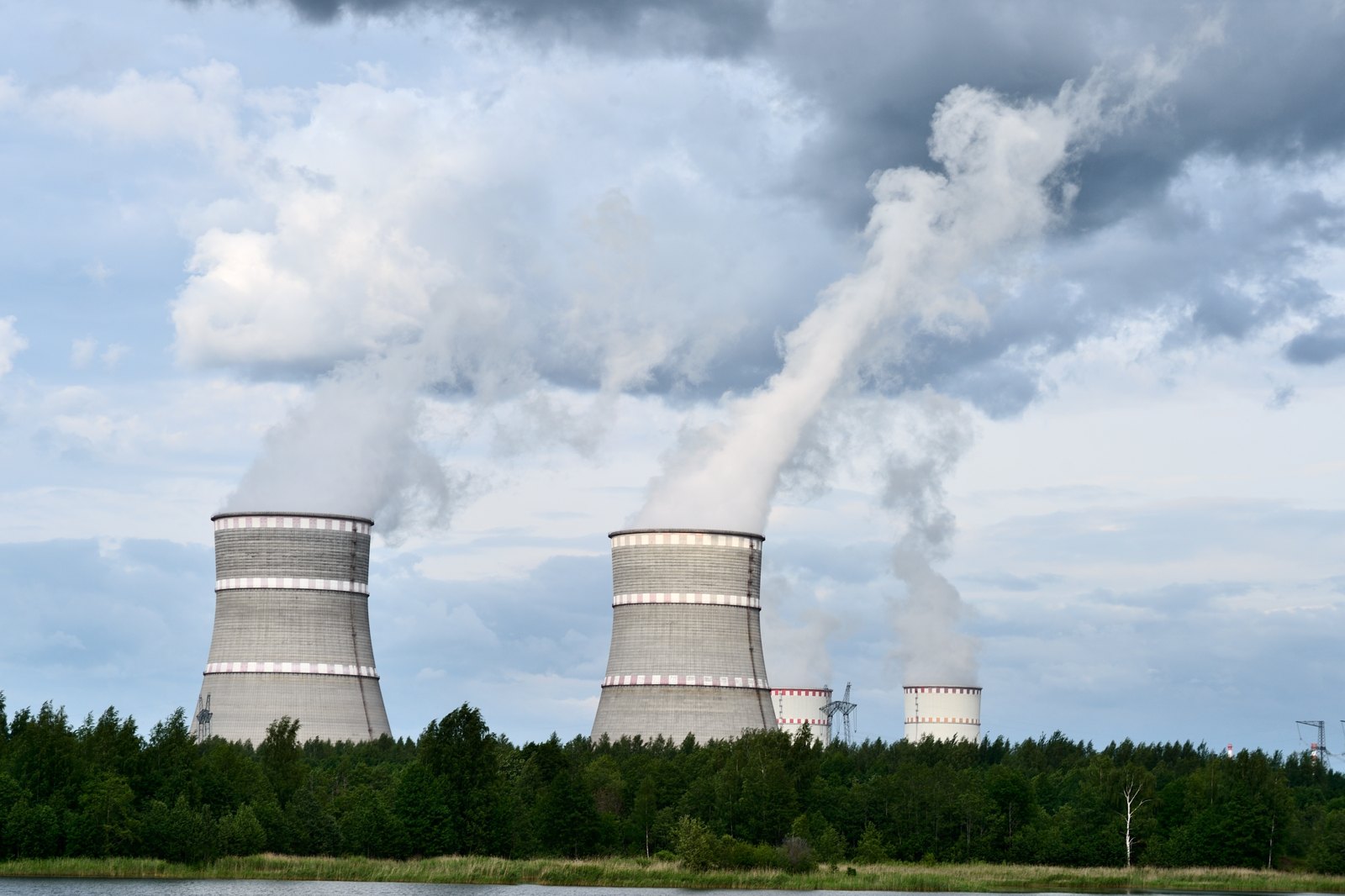
What the Kenya nuclear plan actually promises
The Nuclear Power and Energy Agency (NuPEA) has settled on Siaya County, on the Lake Victoria basin, as the site for the country’s first nuclear power station. The core project is a 2,000 MW plant, with official and near-official material now describing that as the initial phase before later scaling up.
Longer-range nuclear roadmap has targeted around 4,000 MW by 2033, though those timelines have repeatedly slipped. NuPEA’s chief executive, Prof. Justus Wabuyabo, has framed nuclear as a baseload solution to support industrialisation and reduce the power outages that still trouble Kenyan businesses.
The government’s case rests on energy security, industrial power and lower-carbon firm electricity. Planners argue that Kenya’s strong renewable base still needs steady capacity for grid stability and factory growth.
The Sh500 billion (US$3.86 billion) question: who pays and how
The headline cost of Sh500 billion (US$3.86 billion), roughly US$3.9 billion in several reports, is only part of the story. Nuclear projects are capital-intensive, and the financing structure matters as much as the sticker price.
The government is exploring public-private partnerships (PPPs), government-to-government agreements and a blended model involving private investors, development finance institutions and export-credit agencies. One government-linked explanation says the PPP structure is designed to keep the project off the state’s direct balance sheet, with the state mainly guaranteeing a future power purchase.
Kenya’s broader energy compact with the World Bank shows the country aims to mobilise US$19.1 billion for energy investments, including US$5.1 billion from the private sector. The nuclear discussion sits inside a much larger national financing squeeze, and critics warn a financed nuclear build could worsen Kenya’s debt burden.
Why the site puzzle matters for the Kenya nuclear plan
The reporting on location is not fully consistent. Recent official and government-linked material points firmly to Siaya County, but older and activist reporting referred to Kilifi or Tana River, showing that site selection has shifted over time or that multiple sites were under consideration.
This matters because nuclear plants need reliable cooling water, and proposals near Lake Victoria or on the coast raise different environmental and community objections. Greenpeace Africa has flagged risks to biodiversity and fisheries, arguing that key technical and environmental details remain opaque.
Activists also argue that Kenya lacks the mature waste-disposal and regulatory capacity needed for a nuclear programme. The site choice affects cooling-water access, security planning, local land politics and the shape of regional opposition or support.
Great-power competition behind the reactor choice
Whoever helps build the plant can shape financing, fuel supply, training, maintenance and regulatory standards for decades. Russia’s state nuclear corporation Rosatom has publicly offered to finance, design and build Kenya’s first plant, proposing Russian-bank financing backed by an intergovernmental agreement and a 25-year repayment period.
Rosatom has signed nuclear partnerships with at least 20 African countries, giving Moscow a strong commercial and strategic channel into East Africa. Kenya has also been reported as seeking United States nuclear cooperation, with the American angle focused more on standards, safety culture and training than on state-led construction.
China appears in the wider discussion as a major infrastructure financier on the continent. Even where Chinese nuclear cooperation is not the headline offer, China’s influence matters through its infrastructure-finance model and Kenya’s broader indebtedness profile. The contest fits squarely into the pattern covered by Africa: The New Scramble.
The critics’ case: debt, delays and distrust
The main concerns are familiar for nuclear megaprojects but are sharpened by Kenya’s local and fiscal context. Critics argue a financed nuclear build could worsen Kenya’s debt burden and create long-term repayment obligations that outlast any single administration.
Nuclear plants worldwide often run late and over budget, and local critics warn Kenya could repeat the pattern seen in other large Kenyan infrastructure projects. Greenpeace Africa has called the plan a gamble, arguing it risks billions and biodiversity for power the country may not need.
The transparency question also looms large. With timelines shifting, site details still debated and financing models not yet locked in, sceptics say the public lacks the information needed to assess whether the project is a sound bet or a costly distraction.
What to watch as 2027 approaches
Construction is targeted to start in 2027, with commissioning now targeted for 2034. That spread shows the schedule has already shifted, and further delays are common in nuclear projects globally.
The next milestones to watch include the finalisation of a financing structure, the formal selection of a technology partner and the environmental and social impact assessments for the Siaya site. Kenya’s PPP director general, Kefa Seda, and Energy Principal Secretary Alex Wachira will be central figures in those decisions.
President William Ruto’s administration must balance the pro-nuclear case for energy security and industrial power against the anti-nuclear warnings of high debt, technology dependence and environmental conflict. The outcome will shape not just Kenya’s grid but also East Africa’s energy geopolitics for a generation.
More: Kenya news in English, every day from The Rio Times.
Frequently Asked Questions
Where will Kenya build its first nuclear power plant?
The Nuclear Power and Energy Agency has selected Siaya County, on the Lake Victoria basin, as the site for the first plant.
How much will Kenya’s nuclear plant cost?
The estimated cost is Sh500 billion (US$3.86 billion) for the first 1,000 MW phase, with the government exploring public-private partnerships to finance it.
Which foreign powers are involved in Kenya’s nuclear programme?
Russia’s Rosatom has offered to finance and build the plant, while the United States and China are also watching the project closely.
Connected Coverage
For more on how great powers are competing for influence across the continent, read Africa: The New Scramble.
Sources
This article was produced by The Rio Times’ automated newsroom system. How we use AI · Report an error
LatAm Markets: Live Signals → — real-time movers, turnover leaders and FX across Latin America.
Read More from The Rio Times