Brazil’s JBS Bets US$100 Million on Lab-Grown Meat
Brazil · CORPORATE
Key Facts
- —What happened JBS, the world’s largest meat processor, is investing US$100 million to enter the cultivated-protein market.
- —How big The money funds a cultivated-beef factory in Spain and a research hub in Florianópolis, Brazil.
- —What it means Cultivated protein grows real animal cells inside steel tanks instead of raising and slaughtering cattle.
- —The catch Europe has not approved cultivated meat for sale yet, so the new plant cannot sell any beef there.
- —Who it affects The Spanish plant will sell beef in Europe, while Brazil’s hub develops ingredients for supplements.
- —What comes next JBS plans to scale its Spanish plant up to 4,000 tons of cultivated beef a year.
Runoff · Sunday, 25 October
Brazil Runoff 2026: Lula vs Flávio
Date, polls, debates, odds and how the runoff works, updated every day.
Brazil runoff polls · Polymarket and Kalshi odds · When results come
Prediction markets · who wins the runoff
Implied chance of winning Brazil’s presidency on 25 October, from traders’ prices.
Polymarket
Flávio Bolsonaro 76.8% · Lula 23.5% (US$188 million traded)
Kalshi (regulated in the US by the CFTC)
Flávio Bolsonaro 79% · Lula 21%
As of 19 October, 9:20 am ET (14:20 Lisbon), updated every 20 minutes. Prices are bets, not polls, and can move fast.
Why we show this: prediction markets turn real-money bets into a live probability that moves within minutes of the news, which is why investors, campaigns and newsrooms in the United States now follow them closely. We show them next to polls and official results, never instead of them.
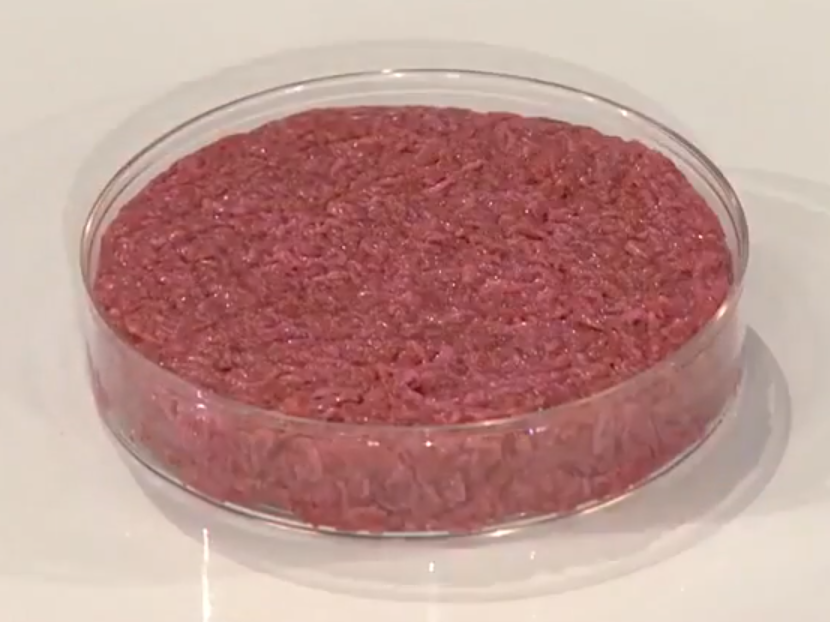
Brazil’s biggest meatpacker is growing beef from animal cells, even as rivals in the lab-grown meat industry collapse around it.
JBS slaughters more cattle than any company on Earth. Now Brazil’s biggest meatpacker is spending US$100 million to grow beef without killing a single cow.
The money funds a new kind of meat called cultivated protein. JBS has already built one factory in Spain and opened a research hub in Brazil.
What “Cultivated Protein” Actually Means
Cultivated protein starts with a small sample of real animal cells. Scientists feed those cells nutrients inside heated steel tanks.
The cells multiply until they form real muscle tissue. No animal has to be raised or killed to make it.
That makes it different from plant-based burgers, which use soy or peas to imitate meat. Cultivated protein is real animal tissue, grown outside the animal.
Backers say the process uses far less land and water than raising cattle. Critics counter that scaling up the technology is still very expensive.
Where the $100 Million Is Going
JBS split its US$100 million investment between two countries. Roughly US$41 million built a cultivated-beef factory in Spain.
Another US$62 million funded a research center in Florianópolis, Brazil. That center studies proteins from animal, plant and microbial cells.
The Brazil site opened in April 2026. It focuses on ingredients for supplements and packaged foods, not finished cuts of meat.
JBS has also moved into plant-based meat. Its Vivera subsidiary owns Vegetarian Butcher, a European brand of meat-free burgers and sausages.
Together, the deals show a company hedging its bets on the future of meat. JBS wants a stake in every version of protein that succeeds.
Live Company IntelligenceJBS N.V. — the full investor dossier
Wall Street view
Valuation & profitability
Price & risk
$10.6152-wk high
$17.27
Revenue trend · 6y
Ownership
Dividend
A Factory Built, But Not Yet Selling
JBS took majority control of Spain’s BioTech Foods in 2021. Construction on its San Sebastián plant began two years later.
The factory can produce over 1,000 tons of cultivated beef a year. BioTech Foods says it can expand to 4,000 tons with more investment.
There is a catch, though. The European Union has still not approved any cultivated meat product for sale to shoppers.
That means the finished factory cannot legally sell its beef in Spain yet. BioTech Foods must wait for European food regulators to clear the product first.
Other countries have moved faster on approval. The United States and Singapore have both cleared specific cultivated-meat products for sale already.
In April 2026, the EU also restricted how cultivated meat can be labeled. Companies can no longer call their products “beef” or “steak” on packaging.
Why a Beef Giant Wants Lab-Grown Meat
JBS frames the bet as an addition, not a replacement. Executives say it will help meet future demand for protein.
JBS innovation director Jerson Nascimento Jr. said it is the company’s “responsibility to be at the forefront” of food technology. CEO Gilberto Tomazoni has said the goal is to build knowledge for future industrial use.
The dual approach spreads out JBS’s risk. Spain builds commercial-scale production, while Brazil focuses on longer-term science and new ingredients.
JBS earned US$86.2 billion in revenue last year. The US$100 million bet is a tiny slice of that business.
A Tough Market Outside JBS
Cultivated meat has had a rough few years everywhere else. Global funding for the sector fell from US$1.3 billion in 2021 to US$73.9 million in 2025, per the Good Food Institute.
US firm Believer Meats shut down abruptly in December 2025. It had raised US$390 million from investors before closing.
Rival UPSIDE Foods has also paused plans for a big factory. JBS is now one of the few large companies still building at this scale.
Not everyone in the industry is giving up hope. One trade group called the setback a bump in the road, not the end of cultivated meat.
Old Business, New Criticism
Environmental groups are not convinced cultivated meat fixes JBS’s problems. The company remains the world’s largest beef and cattle processor.
JBS has faced years of criticism over deforestation links in its cattle supply chain. Climate researchers say its greenhouse gas emissions rival those of major oil companies.
A 2025 report found JBS emits more carbon than ExxonMobil and Shell combined. Some critics say the lab-grown push cannot offset that record on its own.
JBS says the comparison misses the point. It argues traditional and cultivated beef can simply grow side by side.
More: Brazil news in English, every day from The Rio Times.
Frequently Asked Questions
What is cultivated protein, in plain terms?
It is meat grown from real animal cells in steel tanks, not from raising or slaughtering livestock. The cells multiply into tissue that looks and cooks like ordinary meat.
How is this different from plant-based meat?
Plant-based products like veggie burgers are made from soy, peas or other plants. Cultivated protein is real animal tissue, just grown outside the animal.
Can people already buy JBS’s cultivated beef?
Not yet. The EU has not approved cultivated meat for sale, so BioTech Foods must wait to sell in Spain.
Why is the wider cultivated meat industry struggling?
Funding for the sector has collapsed since 2021, and US firm Believer Meats shut down in December 2025. Investors have grown far more cautious about the technology’s costs.
Will JBS stop selling regular beef?
No. JBS says cultivated protein is a small addition to its main business, which remains slaughtering and selling traditional beef.
Sources: Green Queen, FoodNavigator, Food Dive, AgFunderNews, MEAT+POULTRY, Food Business Africa, FoodIngredientsFirst, the Good Food Institute, and JBS company statements.
This article was produced by The Rio Times’ automated newsroom system. How we use AI · Report an error · Editorial responsibility: Matthias Camenzind, Editor-in-Chief