GeoPark Bets on Venezuela and Vaca Muerta to Nearly Triple Output
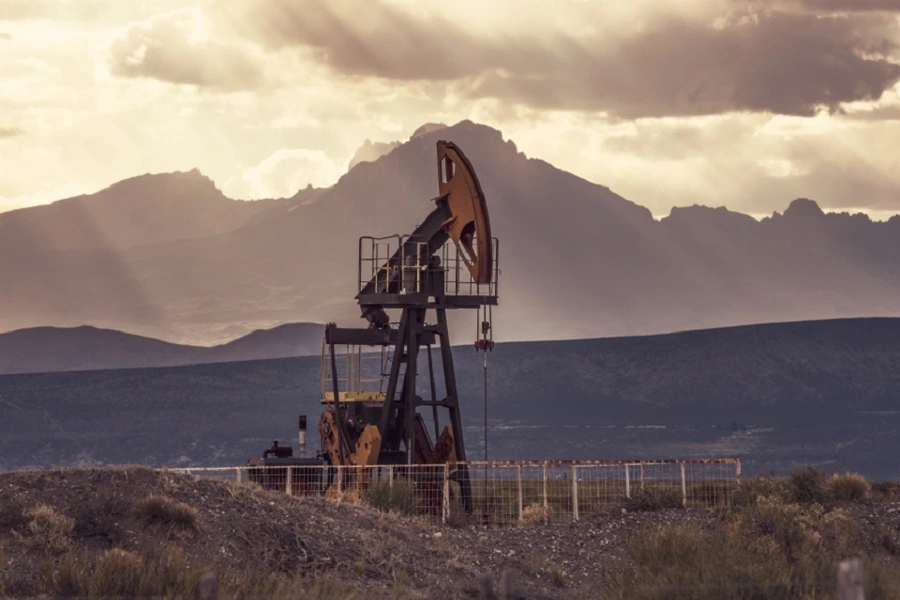
Energy · STRATEGY
Key Facts
- —What happened GeoPark projects output of 75-85 kboepd by 2030, up 2.7 times.
- —How big Current output is 27,271 boepd; Bare block adds 11,000 bopd now.
- —The catch Targets are projections, not guaranteed; depend on execution and prices.
- —Who it hits GeoPark shareholders, including new controlling owner Gilinski group.
- —What comes next Bare output ramps to 18-20k bopd in 2027; Vaca Muerta to 5-6k by year-end.
GeoPark projects a 2.7-fold increase in production by 2030, driven by new Venezuelan operations and Argentine shale growth.
GeoPark says it can multiply its output by pairing a new Venezuelan block with Vaca Muerta in Argentina. The shale field is the company’s growth engine.
GeoPark’s Production Ambitions
GeoPark, a Latin American oil and gas firm, said on September 2, 2026, it could raise output to 75,000-85,000 boepd by 2030. That is about 2.7 times its 2025 average output of 28,233 boepd.
GeoPark plans to develop the Bare block in Venezuela. It will also boost output from Vaca Muerta shale in Argentina.
These projections come from GeoPark’s press release and news reports from early September 2026.
Understanding the Bare Block in Venezuela
The Bare block is an oil field in Venezuela that currently produces about 11,000 barrels of oil per day (bopd). GeoPark sees potential to raise this to 85,000-95,000 bopd at its peak.
GeoPark will operate the block under a 25-year production participation contract with PDVSA, Venezuela’s state oil company. The company holds a 65% net interest in the project.
Vaca Muerta: Argentina’s Shale Powerhouse
Vaca Muerta is a vast shale formation in Argentina, similar to the Permian Basin in the United States. GeoPark currently produces about 1,400 boepd there, but aims to reach 5,000-6,000 boepd by the end of 2026.
The company is investing over US$1 billion in Vaca Muerta to boost output. This investment is part of its broader strategy to increase overall production.
Production Targets and Timelines
GeoPark’s projections for the Bare block show a gradual ramp-up. In 2027, gross production could reach 18,000-20,000 barrels per day, rising to 31,000-33,000 in 2028.
By 2029-2030, the block could produce 44,000-56,000 barrels per day. The company also expects a net plateau of 55,000-62,000 bopd for over a decade.
The Role of the Gilinski Group
GeoPark’s entry into Venezuela also hands control of the company to Colombia’s Gilinski group. This change in ownership was reported in September 2026.
The Gilinski group, led by billionaire Jaime Gilinski, has been increasing its stake in GeoPark. This move aligns with its broader investments in Latin American energy.
Financial and Operational Details
GeoPark’s redevelopment plan for Bare targets cumulative net production of about 400 million barrels. It also aims to increase the field’s recovery factor from 4-5% to 8-9%.
The company’s projections assume Brent crude prices of US$70-80 per barrel. These figures are based on GeoPark’s September 2, 2026 press release.
Market Reactions and Analyst Views
Analysts have noted that the targets are ambitious but achievable if execution goes well. Seeking Alpha on September 2, 2026, highlighted the potential of Vaca Muerta.
The company’s shares have reacted positively to the news, though specific price movements are not detailed here. Investors are watching the progress in Venezuela and Argentina.
Challenges and Risks Ahead
Operating in Venezuela carries political and operational risks, despite the new contract. The country’s oil industry has faced years of underinvestment and sanctions.
GeoPark’s projections depend on stable oil prices and successful drilling campaigns. Any delays or cost overruns could affect the output target.
GeoPark’s Current Operations
GeoPark currently operates in Colombia, Ecuador, and Brazil, in addition to its new ventures. Its most recent quarterly output was 27,271 boepd, for the second quarter of 2026.
The addition of Bare and Vaca Muerta is expected to transform its portfolio. The company aims to become a regional leader in oil production.
What This Means for the Region
If successful, GeoPark’s expansion could boost oil output in both Venezuela and Argentina. This would have significant economic implications for both countries.
Venezuela’s oil sector has declined sharply, and new investment could help reverse that trend. Argentina’s Vaca Muerta is already a key driver of its energy exports.
Expert Opinions and Coverage
Bloomberg Línea reported on September 3, 2026, that GeoPark’s CEO, Felipe Bayón, is leading the strategy. The company expects to increase overall production significantly.
NewsBase noted that the Bare block’s current output is only about 11,000 bpd, with potential for much more. The 25-year contract with PDVSA provides long-term security.
The Path to 2030
GeoPark’s output target for 2030 is 75,000-85,000 boepd, a 2.7-fold increase. This would require substantial growth from both Bare and Vaca Muerta.
The company has not guaranteed these targets, and they remain projections. Execution and market conditions will determine the final outcome.
Conclusion: A Bold Bet on Latin American Oil
GeoPark’s output target reflects a bold bet on Latin American oil potential. The company is betting on Venezuela’s untapped reserves and Argentina’s shale boom.
With the Gilinski group taking control, GeoPark has new backing for its ambitions. The coming years will show whether these projections become reality.
GeoPark’s Corporate Background
GeoPark Limited is an oil and gas company listed on the New York Stock Exchange, with operations in Latin America. Its CEO is Felipe Bayón, as reported by Bloomberg Línea on 3 September 2026.
The company’s most recent output was 27,271 boepd, its own second-quarter 2026 figure, cited by Seeking Alpha on 2 September 2026.
GeoPark’s own 2.7-times target is measured against its full-year 2025 average of 28,233 boepd.
Understanding the Production Participation Contract
GeoPark will operate Venezuela’s Bare block under a 25-year Production Participation Contract (CPP) with PDVSA.
The state oil company PDVSA signed the CPP with GeoPark for the Bare block.
This contract lets private firms produce oil with the state, sharing output, not owning reserves.
GeoPark holds a 65% net interest in the Bare block, as reported by Seeking Alpha on 3 September 2026. The contract was signed after the company’s entry into Venezuela, marking a significant expansion.
Financial and Investment Details
GeoPark plans to invest more than US$1 billion in Vaca Muerta, Argentina, according to Bloomberg Línea on 3 September 2026. This investment is part of the strategy to increase production from the shale formation.
GeoPark’s 2 September 2026 release says the Bare block plan aims to raise recovery from 4-5% to 8-9%.
This means extracting a higher percentage of the oil originally in place.
Market Reactions and Analyst Views
Analysts call the projections ambitious but based on current output.
A Seeking Alpha item on 2 September 2026, citing GeoPark’s own figures, put Vaca Muerta output at about 1,400 boepd then. It targets 5,000-6,000 boepd by year-end.
The market reaction to the announcement has been cautious, with no specific stock price movements reported in the research. The focus remains on execution risks, including operational challenges in Venezuela and Argentina.
More: Venezuela news in English, every day from The Rio Times.
Frequently Asked Questions
What is GeoPark’s output target for 2030?
GeoPark targets 75,000-85,000 barrels of oil equivalent per day by 2030. That is about 2.7 times its current production.
What is the Bare block in Venezuela?
The Bare block is an oil field in Venezuela producing about 11,000 barrels per day. GeoPark plans to boost it to 85,000-95,000 barrels per day.
How does Vaca Muerta contribute to GeoPark’s plan?
Vaca Muerta is a shale formation in Argentina. GeoPark aims to increase its output there to 5,000-6,000 boepd by end of 2026.
Who controls GeoPark after the Venezuela deal?
Colombia’s Gilinski group gains control of GeoPark. This change was reported in September 2026.
Connected Coverage
Sources: GeoPark press release; Seeking Alpha; Bloomberg Línea; NewsBase; Infobae; The Rio Times.
This article was produced by The Rio Times’ automated newsroom system. How we use AI · Report an error · Editorial responsibility: Matthias Camenzind, Editor-in-Chief