“It’s rhetoric and diplomacy”: will Mexico and Brazil’s Ukraine peace plans transcend?
Mexico and Brazil have been the two Latin American countries that have not only opted for a neutral stance on the conflict in Eastern Europe but also both nations have put on the table plans for negotiations between Russia and Ukraine.
However, experts see little likelihood that the proposals will transcend.
On the one hand, Brazilian President Luiz Inácio Lula da Silva has not only rejected the US request to send arms to Kyiv, but he has also proposed the creation of an international body with the participation of several countries interested in supporting peace negotiations between Russia and Ukraine.
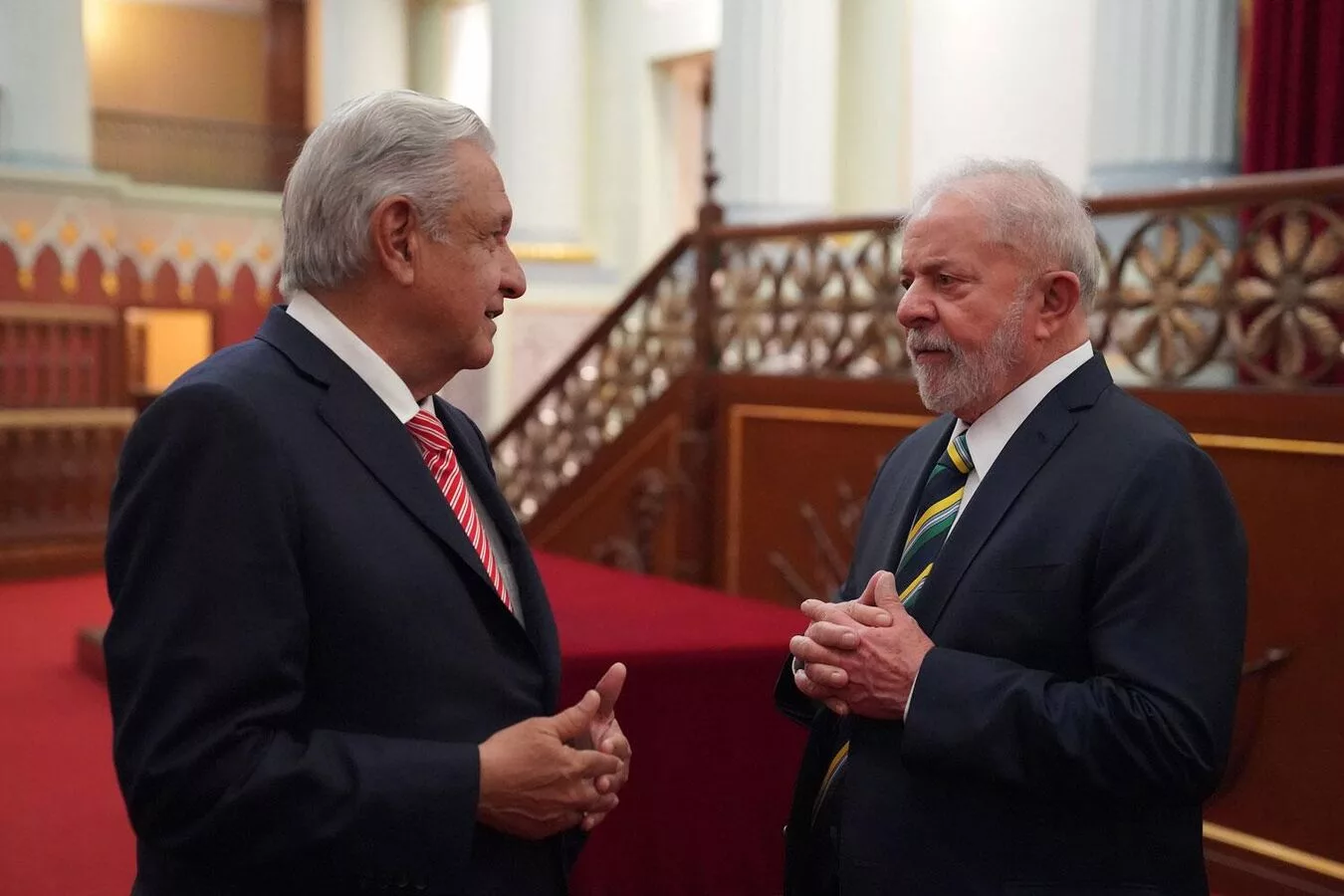
Lula advocated the construction of a dialogue mechanism between Moscow and Kyiv after meeting with the German Chancellor, Olaf Scholz, who had asked Brazil to commit itself to sending ammunition.
The Brazilian ruler, however, denied the request and said that his war was against hunger, not against Russia.
“Brazil has no interest in passing ammunition for the confrontation between Ukraine and Russia. Brazil is a country of peace (…). Brazil does not want to have any participation [in this conflict], even indirectly,” Lula sentenced.
According to Penélope García Aranda, a Mexican academic from the National Autonomous University of Mexico (UNAM), Brazil’s position is diplomatic and obeys the country’s foreign policy principles.
Still, she points out, it is also intelligent since the Latin American country, together with the rest of the region, has the possibility of strengthening its economic ties with China, a country close to Russia.
“It is wise, and it is effective. Let’s not forget the advance of the commercial partner that has been allowed to grow in South America, which is China, what is convenient for us in that sense. We must not forget that South America has been neglected for a long time,” she said.
The other country that also presented a plan for peace in Ukraine is Mexico, where President Andrés Manuel López Obrador put on the table the creation of the Committee for Dialogue and Peace in Ukraine, with the participation of other heads of state and government, including, if possible, Narendra Modi of India and Pope Francis.
According to what he explained, the President’s plan seeks to reach a truce of at least five years to avoid adverse economic effects.
In this regard, the specialist pointed out that by proposing this, Mexico is faithful to its non-interventionist and pacifist foreign policy and added that both López Obrador and Lula are well positioned globally by betting on dialogue; however, it is unlikely that the plans will transcend.
“I think it is more a rhetoric and internal discourse of both,” said the expert, who pointed out that both nations have acquired regional protagonism regarding the Russia-Ukraine issue.”
And the fact is, she explained, that behind the conflict in Eastern Europe is the United States and the rest of the member countries of the North Atlantic Treaty Organization (NATO), countries that, she said, apparently are not interested in negotiating.
“I insist, it is more a matter of rhetoric and diplomacy (…) I really don’t think both proposals can be carried out, at least not in the short term,” she said.
February 24 marks one year since the beginning of the special military operation for the denazification of Ukraine.
Since then, Mexico, Brazil, and the rest of the countries of the Latin American region have opted for a neutral stance despite pressure from Washington and its allies.
With information from Sputnik
More: Brazil news in English, every day from The Rio Times.
Editorial responsibility: Matthias Camenzind, Editor-in-Chief · Editorial standards · Report an error