Internet, Mobile and Coworking in Argentina
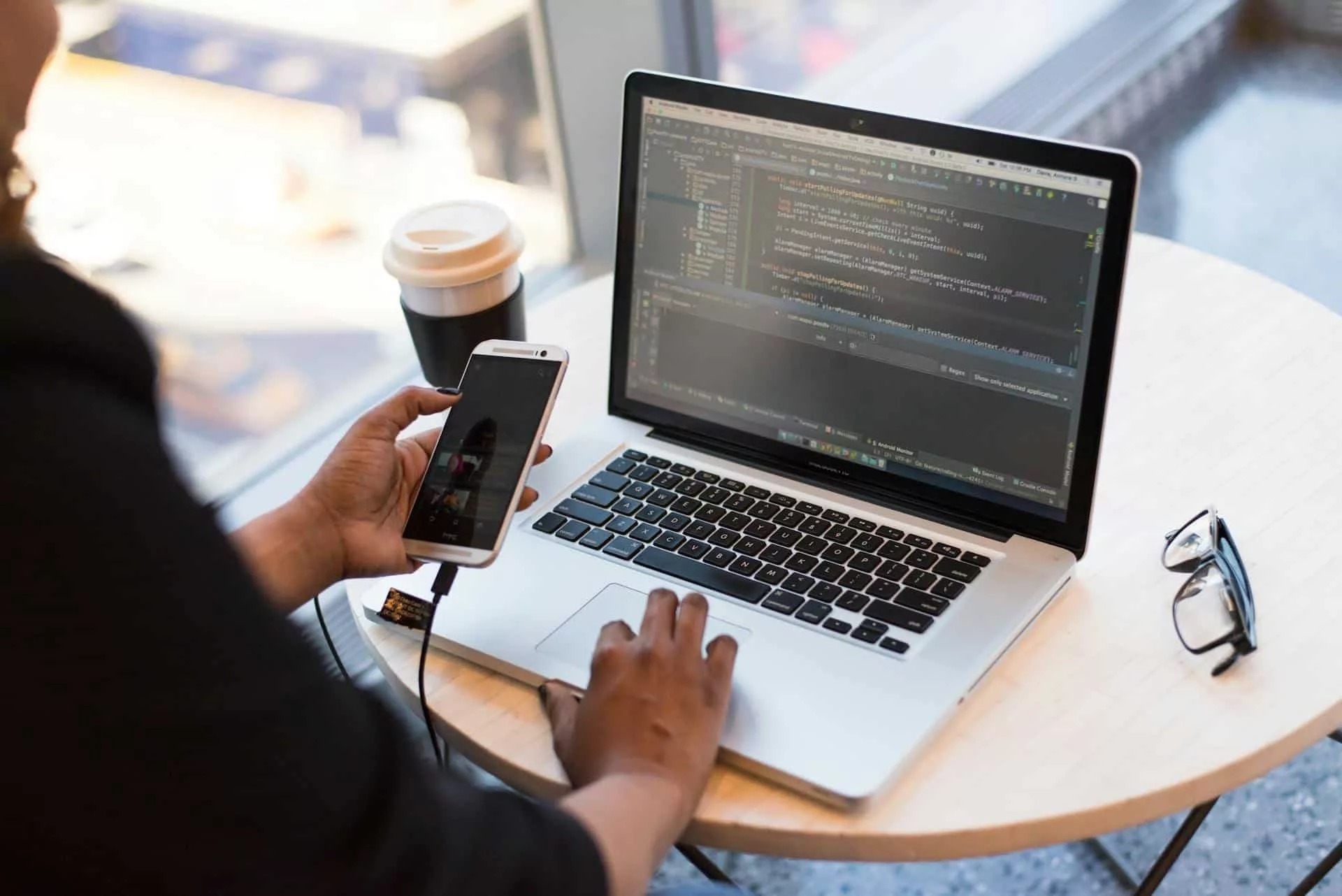
For remote workers, Argentina’s quiet superpower is its connectivity: quick fibre, cheap data and a time zone that lines up with North America. Here is how to sort internet and coworking in Argentina.
Key Facts
- Home fibre. City fibre is fast and cheap — plans run roughly US$15 to US$30 a month.
- Carriers. Claro, Movistar and Personal cover the country; prepaid SIMs are easy with your passport.
- Time zone. Argentina sits on UTC-3, matching the US East Coast — a real perk for remote work.
- Coworking. Desks in Palermo and the centre run about US$100 to US$200 a month.
- Backup. Keep a charged eSIM or a second carrier, as service can dip in older buildings.
Home internet
In Buenos Aires and the big cities, fibre is widely available, genuinely fast and cheap by global standards, with plans around US$15 to US$30 a month. Providers include Claro, Movistar and Telecentro.
Furnished mid-term rentals often include a connection, which saves you an install wait. If you sign your own contract, you will usually need your DNI and a local address.
Mobile and SIM cards
The three carriers are Claro, Movistar and Personal, and coverage is good across cities and main routes. A prepaid (prepago) SIM is simple to buy with your passport, and you top up at kiosks or apps.
Data bundles are inexpensive. If you want a number before you arrive, an eSIM from a global provider is a smooth bridge for the first days.
The coworking scene
Buenos Aires has one of the region’s deepest coworking cultures, concentrated in Palermo, the microcentro and Belgrano. Expect hot desks from about US$100 to US$200 a month, with dedicated desks higher.
Many cafés also tolerate laptop work for the price of a coffee, and the city’s café-notable tradition makes that a pleasant default. For calls, a coworking day pass beats a noisy café.
Why the time zone matters
Argentina runs on UTC-3, one hour ahead of the US East Coast in winter and matching it in northern summer. For anyone working with North American teams or clients, that overlap is a genuine quality-of-life advantage.
It also means European mornings reach you mid-afternoon, giving a long, workable overlap with both continents in a single day. Pair that with cheap fibre and the setup is hard to beat.
The bottom line
Argentina makes the remote-work basics easy and cheap, from fibre to data to desks. Bridge your first days with an eSIM, sign up for fibre once you have an address, and pick a coworking space in Palermo to plug into the community.
The UTC-3 time zone does the rest of the work for you. If you take calls all day, a dedicated desk with a meeting room beats a hot desk, and the small premium is worth it.
Buenos Aires also has reliable backup options, so keeping a second carrier eSIM means an outage never costs you a workday.
More: Argentina news in English, every day from The Rio Times.
Frequently Asked Questions
How fast and cheap is home internet in Argentina?
City fibre is fast and runs roughly US$15 to US$30 a month. Furnished rentals often include a connection.
Which mobile carrier is best?
Claro, Movistar and Personal all have good coverage. A prepaid SIM is easy to buy with your passport, and data is cheap.
What does coworking cost in Buenos Aires?
Hot desks run about US$100 to US$200 a month, with dedicated desks more. Palermo and the centre have the densest options.
Does Argentina’s time zone suit remote work?
Yes. At UTC-3 it matches the US East Coast, giving a strong overlap with North American teams and a workable one with Europe.
Can I get connected before I arrive?
Yes — a global eSIM covers your first days, and you can switch to a local prepaid SIM or fibre once you have an address.
This article was produced by The Rio Times’ automated newsroom system. How we use AI · Report an error · Editorial responsibility: Matthias Camenzind, Editor-in-Chief
Expat Guide to Argentina
What The Rio Times publishes for foreigners who live in or move to Argentina.
Start here
- Argentina Security and Crime Explained 2026
- Argentina Money Guide for US Travelers
- Best Places to Live in Argentina for Expats 2026
- How to Open a Bank Account in Argentina as a Foreigner in 2026: Tax ID, Dollars, Apps
City guides
Coming up in Argentina
- Los Pericos Gran Rex Concert Set for 22 October 2026 in Argentina 22 Oct
- Mendoza Things to Do, 9 to 31 October 2026 31 Oct
- Mar del Plata Film Festival 2026: 5 to 15 November 5 Nov
- Primavera Sound Buenos Aires 2026: Gorillaz, The Strokes to Headline 28 Nov
Understand Argentina