In Brazil, the Central Bank stands on the verge of holding the benchmark Selic rate steady at 10.50% annually.
The decision aligns with the majority view among financial entities, although a slight reduction is still under consideration.
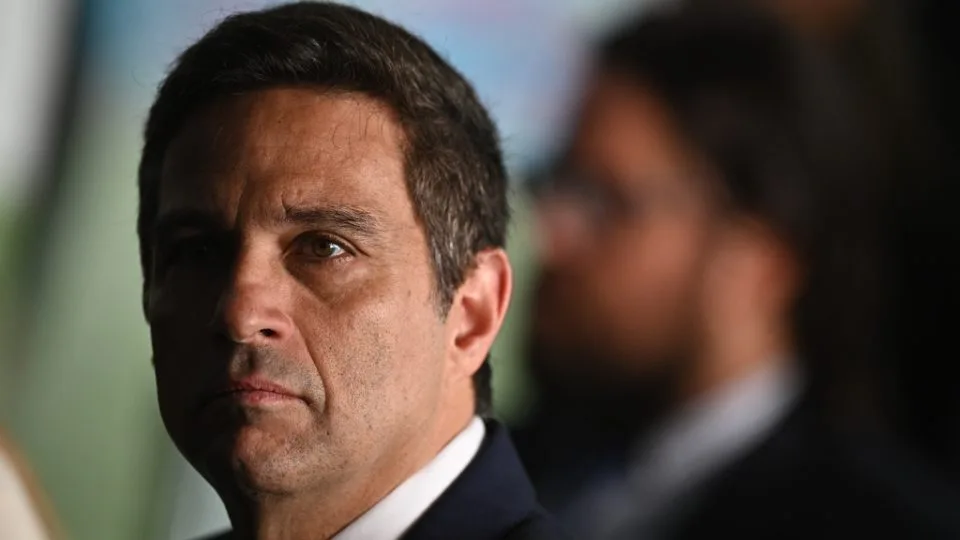
This comes during a turbulent time marked by President Lula’s vocal criticisms of Roberto Campos Neto, the Bank’s president.
In 2022 the Brazilian banker was named Latin America’s Central Bank Governor of the Year at the LatinFinance Banks of the Year Awards.
Lula questions Campos Neto’s autonomy and accuses him of political bias, stirring significant national attention.
Financial markets are keenly observing the government’s fiscal discipline, particularly its proposed spending cuts.
A unified stance from the Monetary Policy Committee (Copom) on maintaining the Selic rate is crucial.
It would reaffirm the Bank’s autonomy, helping to anchor inflation expectations more effectively.
Recent economic shifts add layers of complexity. The Brazilian real has weakened, with the dollar climbing by 6.2% from R$5.08 to R$5.42.
Concurrently, inflation forecasts for the coming year have risen from 3.64% to 3.80%, pointing to increased economic pressures.
These factors necessitate a prudent monetary policy to mitigate inflation without stifling growth.
In Brazil Steady Selic Rates Meet Presidential Ire
Gabriel Galípolo, a key member of Copom and potential future head of the Central Bank, faces a delicate balance.
His impending vote is crucial and may significantly influence public opinion.
Supporting the maintenance of rates demonstrates his dedication to combating inflation, while any deviation might indicate vulnerability to political pressure.
Globally, the U.S. Federal Reserve’s pause in rate cuts reflects persistent high inflation and robust economic performance.
These international developments influence Brazil’s economic strategy, underscoring the importance of the Copom’s upcoming decisions.
Brazil’s economic prospects depend significantly on the decisions made today.
It is crucial to adopt a technical and impartial approach to decision-making, ensuring the country’s path toward sustainable growth and financial stability.
Navigating these challenging times requires a dedicated focus on strategic and sound economic policies.
More: Brazil news in English, every day from The Rio Times.
This article was produced by The Rio Times’ automated newsroom system. How we use AI · Report an error
Read More from The Rio Times