Illegal Military Surveillance System Uncovered in Colombia
RIO DE JANEIRO, BRAZIL – The recent disclosure by the magazine ‘Semana’, according to which the military under President Iván Duque has set up a secret and illegal surveillance system, has sparked outrage in Colombia.
Sources from the military intelligence service have disclosed that the targets for spying are journalists, judges of the Supreme Court and opposition politicians.

There was no court order for the surveillance and part of the information had been handed over by military secret agents to a politician from the right-wing ruling party Centro Democrático. ‘Semana’ has not disclosed his name.
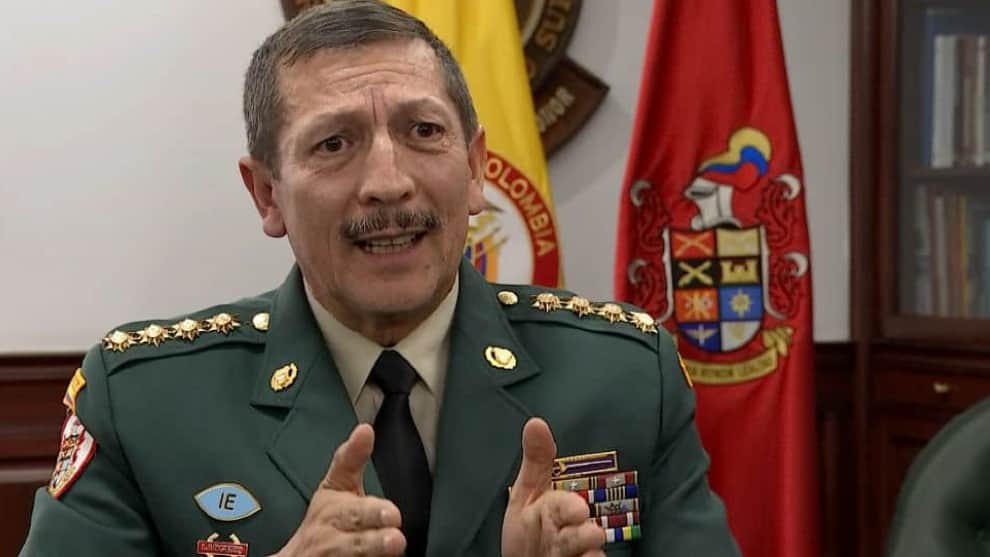
General Nicacio Martínez, until recently commander-in-chief of the army, is involved in the espionage affair. He is said to have assigned two cell phone surveillance devices named Stingray to an active military officer and a retired officer, respectively.
The sources are unaware of who was spied on. All matter regarding the targets has been deleted. What is certain is that it is illegal to give a surveillance order to an off-duty officer.
Martinez had unexpectedly resigned in December after a year of service. He had been heavily criticized by opposition and human rights activists because his instructions in the army had reopened the door to the illegal executions of civilians. However, President Iván Duque had always refused to dismiss Martinez.
The operational centers of illegal secret espionage – internally referred to as “special work” – are housed in military facilities with staff from the intelligence and counter-intelligence services. Officers of the BACIB (Cyberspace Intelligence Battalion) told ‘Semana’ that they had been assigned email accounts and phone numbers to spy on and intercept people, without a court order.
One case involved Cristina Lombana, a judge of the Supreme Court. Until May she was the assigned judge in an ongoing criminal case against the right-wing ex-president and mentor of President Duque, Álvaro Uribe.
However, an officer assured ‘Semana’ that she was not the only judge under surveillance. Earlier this week, an interception microphone was also found in the office of the judge currently in charge of the Uribe case, and a second one in the office of the deputy judge.
For security reasons,’ Semana’ did not disclose all of the targets’ names in the espionage affair. In addition to Lombana, the magazine mentioned Senator Roy Barreras and the left-wing ex-governor of the Nariño department, Camilo Romero.
In November, Barreras had caused the resignation of the Minister of Defense, Guillermo Botero, by denouncing a secret bombing by the air force in the country’s hinterland, in which 18 minors had been killed.
The list of those under surveillance is longer, however. The goal of the illegal spying had a clear political nature, “which has nothing to do with our actual functions”, a source complained to the newspaper.
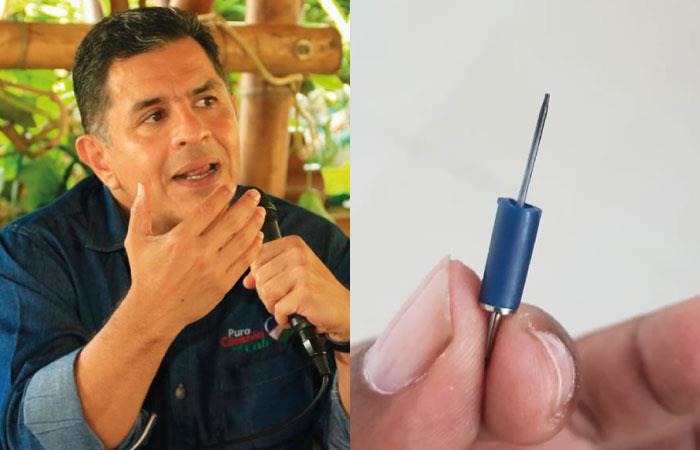
The military bought a highly sophisticated spy software called “Hombre Invisible” from a Spanish company for the equivalent of some US$950 million (R$3.8 billion). The system uses malware to gain access to WhatsApp and telegram chats and other data stored in the infected communication device.
A US secret agent, who has been stationed in Colombia for two years, told ‘Semana’ that US secret services support the Colombian military with technical surveillance equipment and money. However, military intelligence and defense services have recently requested unusually large sums of money on dubious grounds.
Around mid-December, the Supreme Court searched one of the secret surveillance operations centers, confiscating USB sticks, cell phones, and PCs. The prosecutor’s office started an investigation.
However, much of the evidence was destroyed beforehand because the military intelligence service knew about the impending search.
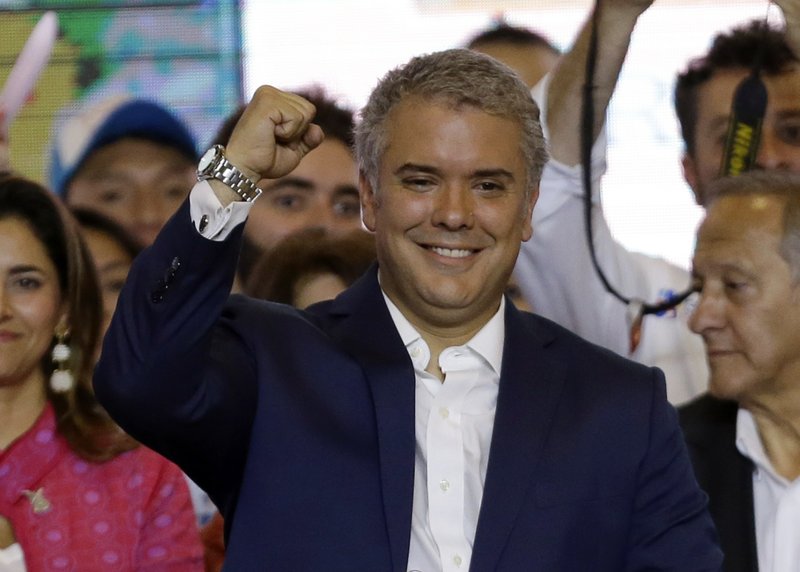
Duque was also advised on how ‘Semana’ learned about high-ranking sources. He asked all commanders of the military intelligence brigades to sign a declaration asking them to state whether they knew about illegal surveillance operations. All are said to have denied this.
After ‘Semana’s’ story was published, Duque rejected the illegal actions of the military, but assured people that they were “rotten apples”. Opposition members have strongly criticized this statement. The illegal surveillance is not a problem of “rotten apples”, but part of an anti-democratic political project that the government is pushing forward, according to left-wing senator and former presidential candidate Gustavo Petro.
Like other politicians, he pointed out that Colombia had experienced the same spying scheme under ex-President Uribe (2002-2010). Then as now, opponents of the government and those involved in criminal proceedings against Uribe were monitored and intimidated.
‘Semana’ also reported that its journalists, as well as the editor-in-chief, were also subjected to massive surveillance and death threats during the investigation.
More: Latin America news in English, every day from The Rio Times.
This article was produced by The Rio Times’ automated newsroom system. How we use AI · Report an error
Read More from The Rio Times