IEBC Opens International Tenders for Kiems Kits and Ballot Papers
Kenya · POLITICS
Key Facts
—Tender launch: The Independent Electoral and Boundaries Commission (IEBC) has opened international tenders for the Integrated Elections Management System (IEMS) hardware and for ballot papers and statutory election materials.
—Bid deadlines: The IEMS and hardware tender closes on 1 September 2026 at 10:00am East Africa Time, with a tender security of Ksh30 million (about US$232,000).
—Ballot papers tender: A separate tender for ballot papers, tactile folders, the Register of Voters, and result-declaration forms carries a Ksh40 million (about US$309,000) bid security.
—Projected costs: The IEMS programme is estimated at about Ksh9.3 billion (about US$71.9 million), while ballot papers and forms are estimated at about Ksh2.7 billion (about US$20.9 million), with voter registration adding another Ksh2 billion (about US$15.5 million) to Ksh2.7 billion (about US$20.9 million).
—Total election budget: The combined requisitions could cost upwards of Ksh14 billion (about US$108 million), within a broader IEBC election budget of about Ksh61.7 billion (about US$477 million, at about 129 shillings per US dollar) spread over three fiscal years.
—Political context: Parliament has questioned a proposed Ksh13 billion (about US$100 million) increase in IEBC’s 2026/27 budget, and opposition figures are scrutinising whether procurement timelines and transparency standards are being met.
Kenya’s Independent Electoral and Boundaries Commission has launched fresh international tenders for Kiems kits and ballot papers, setting bid deadlines in early September 2026 as political scrutiny over the procurement process intensifies ahead of the 2027 general election.
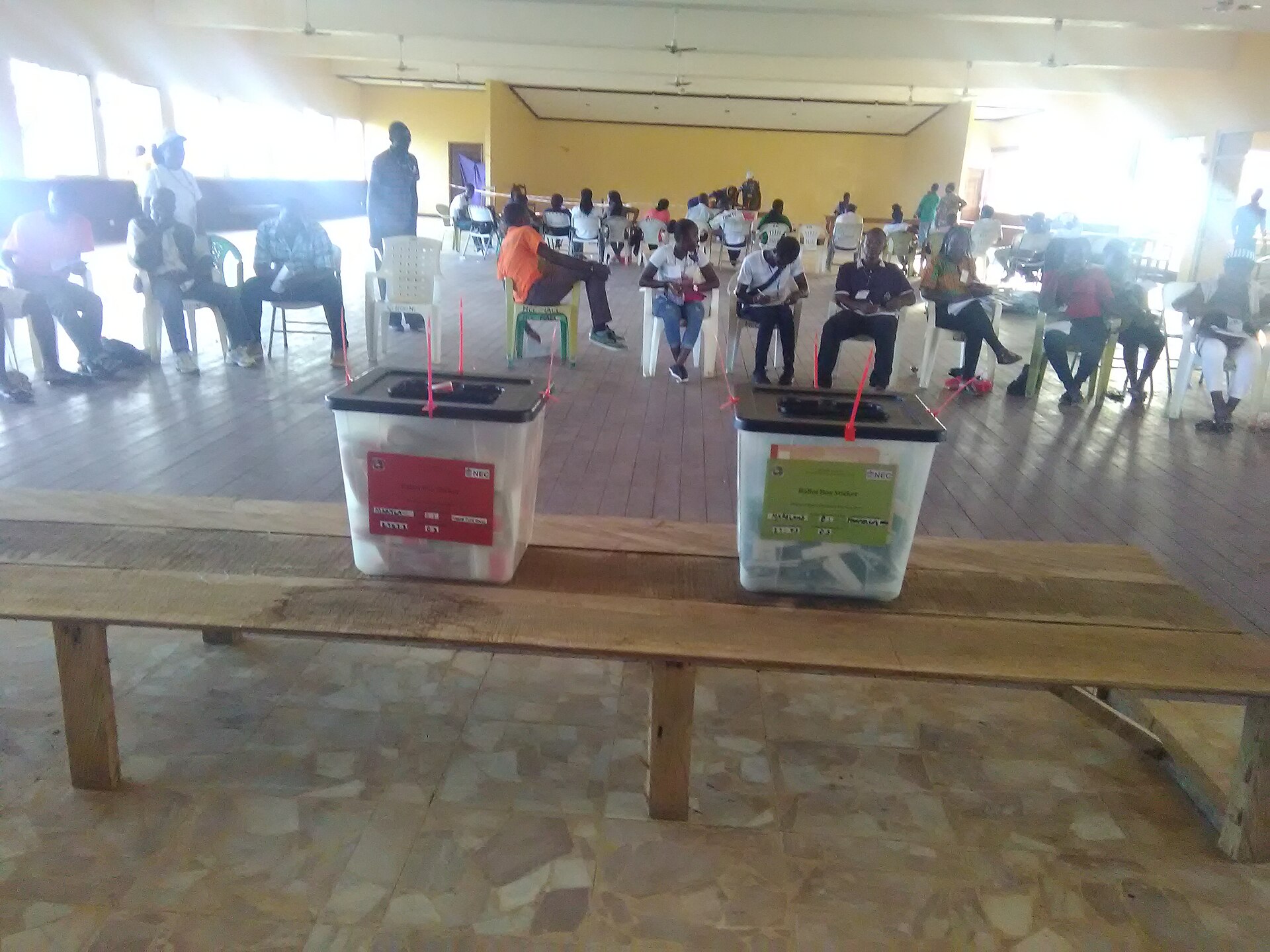
What the IEBC is buying and when
The IEBC has opened an international tender for the Integrated Elections Management System, associated hardware equipment and accessories, plus support and maintenance services. This is the technology stack used for voter identification and results transmission, often referred to as the Kenya Integrated Elections Management System, or Kiems.
A separate tender covers ballot papers, tactile ballot folders for visually impaired voters, the Register of Voters, and statutory result-declaration forms. Both tenders are open to local and international firms, with documents available free of charge from the IEBC website and the government procurement portal.
The IEMS and hardware tender closes on 1 September 2026 at 10:00am East Africa Time and requires a bid security of Ksh30 million (about US$232,000). The ballot papers and materials tender carries a Ksh40 million (about US$309,000) bid security, with the same deadline.
The money behind the Kiems kits and ballot papers
The IEMS and Kiems programme is estimated to cost about Ksh9.3 billion (about US$71.9 million). The ballot papers, forms and related materials are projected at about Ksh2.7 billion (about US$20.9 million), while voter registration and biometric capture could add another Ksh2 billion (about US$15.5 million) to Ksh2.7 billion (about US$20.9 million).
Taken together, these three requisitions could cost upwards of Ksh14 billion (about US$108 million). They sit within a broader IEBC election budget of about Ksh61.7 billion (about US$477 million) spread over three fiscal years, a figure large enough to compete with other national spending priorities.
The commission has said it is working with the Treasury on early, multi-year funding to avoid the last-minute tender wars that have marred previous election cycles. IEBC officials have cited an existing base of more than 41,000 Kiems kits, though the fleet is over ten years old and in need of replacement.
Why procurement is always a political battlefield
Kenyan elections have repeatedly been contested through procurement disputes. The IEBC’s technology and ballot-printing contracts are treated as proxies for the credibility of the entire election, and this tender cycle is no exception.
In May 2026, members of parliament questioned a proposed Ksh13 billion (about US$100 million) increase in the IEBC’s budget request for the 2026/27 financial year. The increase included new technology procurement despite an ongoing audit of existing Kiems kits, raising concerns about duplication and waste.
Opposition figures and critics are also asking whether the commission is meeting electoral timelines and whether the procurement process remains transparent. The IEBC is trying to get ahead of the familiar late-procurement trap, but the scrutiny is unlikely to ease as the 2027 polls draw closer.
A history of disputed election contracts
Kenya’s election procurement history is full of disputes over both the technology layer and the paper layer. In 2017, procurement of election materials and ballot papers was challenged in court on grounds that included lack of public participation and irregular procurement.
In the 2021–2022 cycle, the IEBC’s ballot-paper tender was awarded to Inform P Lykos Holdings but later nullified by the Public Procurement Administrative Review Board after protests by losing bidders. The commission was ordered to re-evaluate the entire process.
The Kiems tender for the 2022 election went to Smartmatic International Holding B.V. after an open international process, but it also generated litigation and political criticism. Earlier election materials procurement had already been attacked as opaque and politically compromised, feeding a recurring narrative that the procurement process itself is part of the electoral contest.
The foreign vendor factor and great-power angles
Kenya’s election-technology ecosystem has repeatedly relied on foreign vendors for sensitive infrastructure. Firms from the Netherlands, France, Greece and the Gulf have featured in earlier procurement cycles, making these tenders politically relevant beyond Kenya’s borders.
Election technology contracts are part of a broader global market in biometric identity systems, election management software and print-security services. Western, European and transnational firms compete aggressively for contracts in emerging democracies, and Kenya is one of the most watched markets on the continent.
The geopolitical issue is not only vendor nationality but data, dependency and legitimacy. Whoever supplies the system may shape trust in voter rolls, transmission systems and auditability, which are central to both domestic legitimacy and international perceptions of democratic resilience. This dynamic is a core concern of Africa: The New Scramble, where governance infrastructure increasingly doubles as a sphere of external commercial influence.
What to watch as the September deadline approaches
The bid deadline of 1 September 2026 is the next concrete milestone. The identity of the winning bidders, the speed of the evaluation process, and any legal challenges that follow will shape confidence in the 2027 election preparations.
Parliament’s budget oversight and the ongoing audit of existing Kiems kits will run in parallel with the tender evaluation. Any discrepancy between the audit findings and the new procurement could fuel further political friction.
For international investors and diplomatic observers, the tender process is a live test of Kenya’s procurement governance. A clean, competitive process would strengthen the IEBC’s credibility; a repeat of past litigation and nullification would deepen the perception that election infrastructure is up for grabs.
More: Kenya news in English, every day from The Rio Times.
Frequently Asked Questions
What is the IEBC tendering for ahead of Kenya’s 2027 election?
The IEBC has opened international tenders for the Integrated Elections Management System hardware and support, and separately for ballot papers, tactile folders, the Register of Voters and result-declaration forms.
When is the bid deadline for the Kiems kits and ballot papers tenders?
Both tenders close on 1 September 2026 at 10:00am East Africa Time, with bid securities of Ksh30 million (about US$232,000) for the IEMS tender and Ksh40 million (about US$309,000) for the ballot papers tender.
Why are these IEBC tenders politically sensitive?
Kenya’s election procurement has a history of court challenges, nullified awards and political criticism, and parliament has already questioned a Ksh13 billion (about US$100 million) budget increase for the commission.
Connected Coverage
For more on how governance infrastructure becomes a sphere of external commercial influence across the continent, read Africa: The New Scramble.
Sources
This article was produced by The Rio Times’ automated newsroom system. How we use AI · Report an error
Read More from The Rio Times