RIO DE JANEIRO, BRAZIL – The Pico das Agulhas Negras is the highest point in Rio de Janeiro State and the ninth highest in all of Brazil.
At 2,791 meters, it trails only 200 meters behind the tallest peak in the country. Because of this, and its proximity to both São Paulo and Rio de Janeiro, Agulhas Negras is one of the most sought-after mountaineering experiences in Brazil.

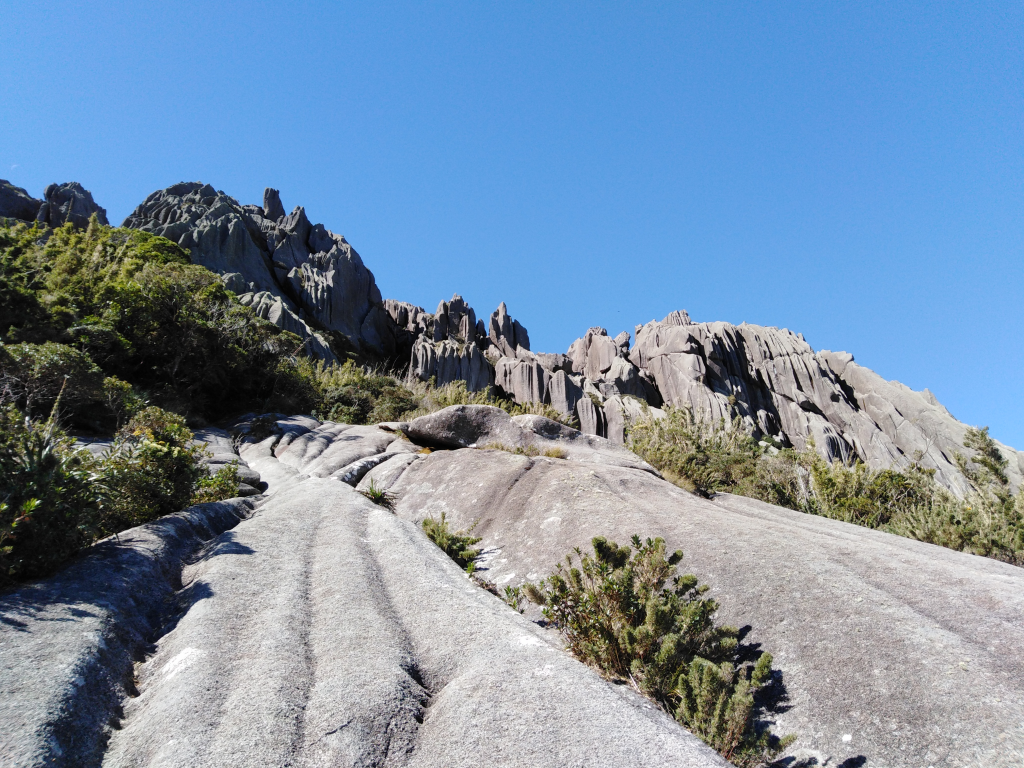
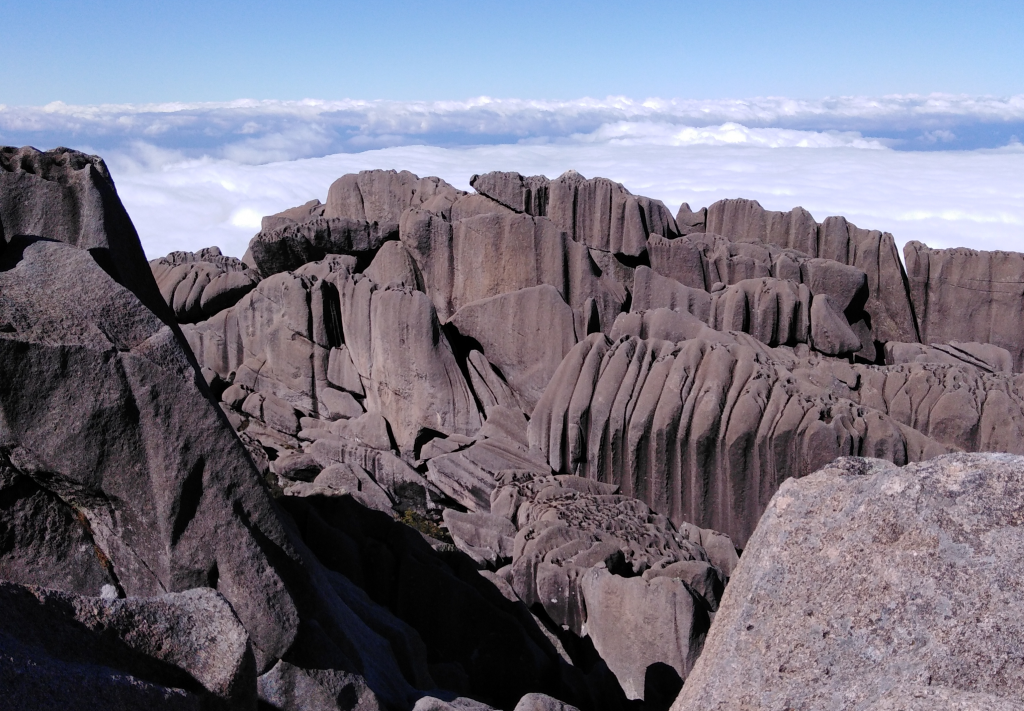
And it is certainly worth the effort. The bare, rocky peak, with its enormous boulders and rock faces, carved out by the heavy rains looks like something never seen anywhere else, and the high mountain ecosystem – along with the cold − makes it hard to believe one is still in Brazil. The views from the top extend over three states: Rio de Janeiro, Minas Gerais, and São Paulo.
Tackling the Agulhas Negras is best combined with a weekend in the Itatiaia region, near Itatiaia National Park. Popular places to stay include Penedo and Visconde de Mauá, but where exactly you choose to stay depends on how you intend to reach the Agulhas Negras.
If you have your own car, you will have more flexibility. If you don’t, you will have to try to find a guide who can also offer transport. And you will need a guide: unless you are an experienced rock-climber, the ascents on bare rock and the many different routes would be too much to handle alone. (Note, if you do take your car to the park, be aware that the road is extremely bad and some vehicles will find it difficult to pass.)
Guides can be found online, including on the Itatiaia National Park website. I went with the knowledgeable, experienced and English-speaking William Gammino (FB: Gammino Turismo de Aventura). Your guide will orient you on where to stay, how to get to the park and give you more details on what to bring.
You may find that you’ll need to set out as early as 3 AM in order to get to the trailhead for 4:30 AM and ensure that you are among the first eighty, as this is the limit per day on the Agulhas. Whenever you set out, you will probably have a significant wait in and outside of the car when you get there, so be sure to have extra warm clothes.
I arrived at 4:30 AM and only began hiking at 8 AM. The temperature was around -5°C at this time, and I wished I had brought more layers.
When all the paperwork is done and the fee paid (discount available with CPF), you will begin the hike. Depending on where you are parked, there may be a walk along the road for a stretch before you reach a shelter and the last bathrooms.
After this, the proper trail begins, at first a flat but rocky and often muddy path, and then later beginning to ascend.
Soon you will stop walking and start climbing the boulders and rock faces that comprise the highest part of the Agulhas Negras. After this point, the hike becomes less tiring but more challenging, the real difficulty not being fitness and lung-capacity, but balance and flexibility, as one is obliged to pull oneself up, crawl, and pass through dangerous (and often icy) rocky sections.
If you are afraid of heights, this hike is probably not for you. Though with the help of a guide, most people with a good level of fitness (and confidence) will be okay.
Several sections require ropes to ascend. These are nothing to worry about and are actually easier and less nerve-wracking than many of the other sections.
Two things that one must be careful of are the freezing cold temperatures, and also the powerful sun. You will need warm layers, and a windbreaker is absolutely essential: as you will be moving slowly, you cannot rely on exertion to heat up.
Hat and gloves are also necessary: especially the latter, as cold hands could interfere with your ability to climb safely. Apply and reapply sun cream as the sun burns quickly high on the mountain, and you will not notice it with the cold.
After about four hours, you will reach the top. Enjoy the incredible views, take a break, and eat lunch. Another four hours will get you down again.
Time: eight hours.
Bring: Water, lunch, sun and rain protection, ID and CPF, torch, warm clothes.
Advice: Take normal hiking precautions. Always better (within reason) to have too much water/food/clothes than too little. Contract a guide.
More: Brazil news in English, every day from The Rio Times.
Read More from The Rio Times