BRAZIL · AVIATION
Key Facts
—Iberia grows:. The Spanish carrier plans about 25% more Brazil-Spain capacity in 2026, after a 27% rise in 2025.
—New routes:. It is adding Madrid links to Recife and Fortaleza and lifting Rio de Janeiro to a daily flight.
—Local pullback:. Azul cut about 5% of its May-June seats; Latam dropped its 2026 seat-growth target.
—The pressure:. Jet-fuel costs jumped with the oil-price spike from the Middle East conflict, squeezing carriers.
—Latin American impact:. Foreign carriers are deepening Brazil-Europe links even as local airlines retrench on costs.
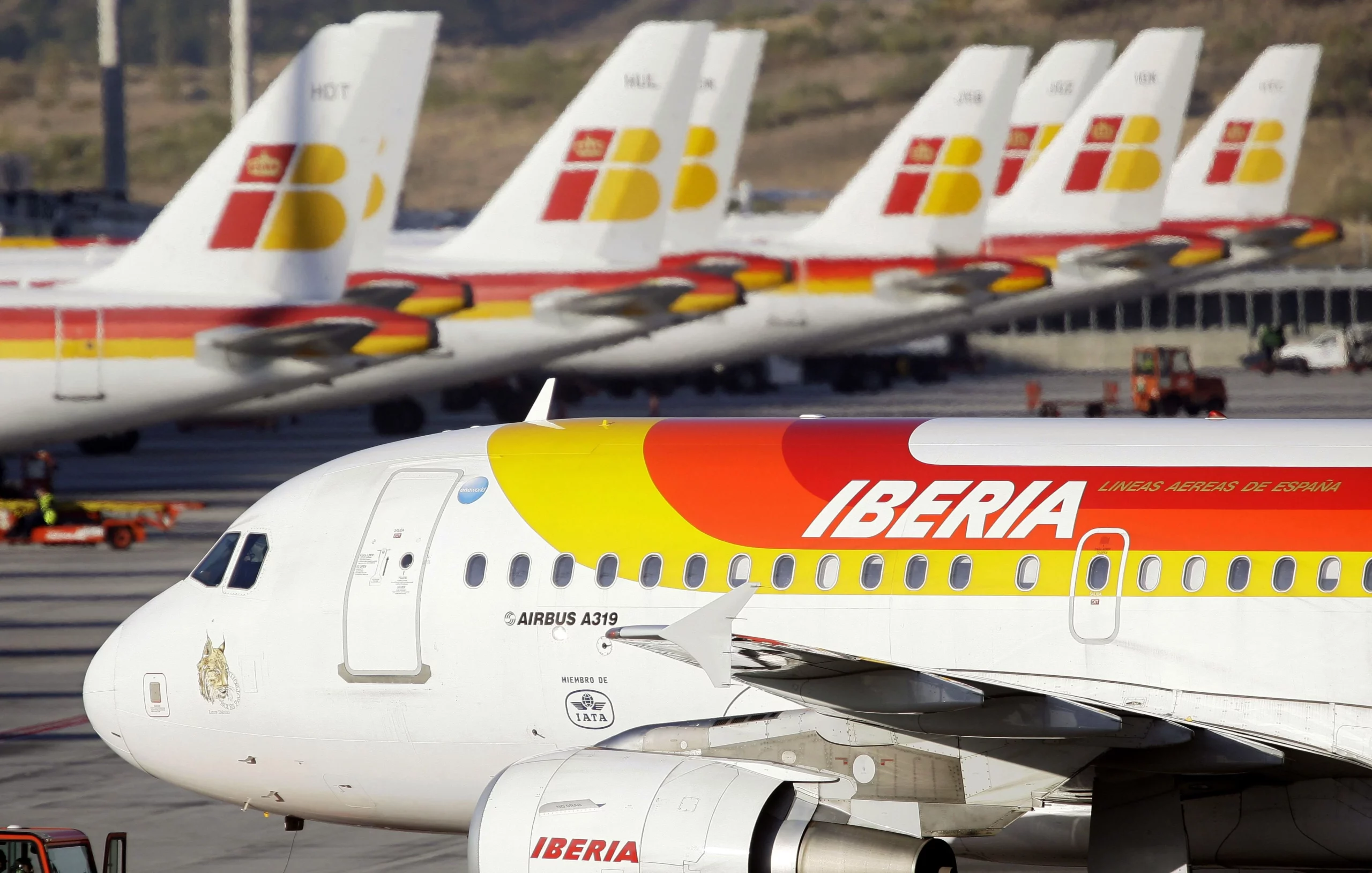
Spain’s Iberia is pressing ahead with a major expansion of its Brazil routes even as local carriers cut flights and lift fares, a divergence sharpened by a jet-fuel spike tied to the oil-price surge.
How Iberia is growing in Brazil
The carrier projects roughly 25% more seat capacity between Brazil and Spain in 2026, following a 27% increase in 2025, according to company executives quoted in Brazilian and European press. The airline has called it one of its biggest capacity bets on the country.
The plan adds Madrid connections to the northeastern cities of Recife and Fortaleza, two beach destinations, while raising Rio de Janeiro to a daily service alongside two daily flights to Sao Paulo. The first Recife departure was set to leave Madrid in December.
Executives have framed Sao Paulo as a hub feeding business travelers from across Latin America toward Europe. Roughly 70% of corporate bookings on the Sao Paulo-Madrid route originate elsewhere in the Americas, the airline has said.
Why local carriers are pulling back
Domestic airlines are moving the other way. Azul reported cutting about 5% of its planned seats for May and June, prioritizing more profitable routes, while Latam scrapped its 2026 seat-expansion target amid the unstable oil market.
Industry estimates cited in the press put total Brazilian flights for May lower than first expected, falling from about 67,980 to 65,100 operations. Carriers have also raised fares, with one airline reporting average future-booking prices up close to 30%.
The squeeze stems from jet-fuel costs that climbed with the rise in crude prices linked to conflict in the Middle East. Because fuel is a large share of airline expenses, the shock hits capacity planning quickly.
Live Company IntelligenceAzul S.A. — the full investor dossier
Valuation & profitability
Price & risk
$0.7452-wk high
$3,400.00
Revenue trend · 6y
Ownership
Dividend
The bet behind the divergence
For Iberia‘s parent group, the higher fuel bill is real but manageable. The company’s 2026 fuel cost was revised up to around 7.4 billion euros (about US$8 billion) on the Middle East conflicts, with a large share hedged, executives told analysts.
Structural advantages also favor the Spanish carrier, including spare capacity and expansion room at its Madrid hub. The group has said it plans to grow South Atlantic capacity faster than its overall network in 2026.
The contrast fits a wider pattern, with several foreign airlines adding Brazil flights as the country logs record inbound tourism. The result is a market where international links deepen even as some local operators retrench.
Connected Coverage
The expansion mirrors other carriers entering the region, as covered in our report on the Plus Ultra Madrid-Buenos Aires route launch. For the fuel-cost driver behind the divergence, see our coverage of the Hormuz oil-price framework.
This article was produced by The Rio Times’ automated newsroom system. How we use AI · Report an error · Editorial responsibility: Matthias Camenzind, Editor-in-Chief
Read More from The Rio Times
Frequently Asked Questions
How much is Iberia expanding in Brazil?
The carrier projects about 25% more Brazil-Spain seat capacity in 2026, after a 27% increase in 2025, according to executives quoted in the press.
Which new routes is Iberia adding?
It is launching Madrid links to Recife and Fortaleza in Brazil’s northeast and raising Rio de Janeiro to a daily flight, alongside two daily Sao Paulo services.
Why are Azul and Latam cutting flights?
Both cited cost pressure from a jet-fuel spike tied to higher crude prices. Azul trimmed about 5% of its May-June seats, and Latam dropped its 2026 seat-growth target.
How much have fares risen?
One carrier reported average prices on future bookings up close to 30%, as airlines passed higher fuel costs to passengers.
Can Iberia absorb the higher fuel costs?
Its parent group revised its 2026 fuel bill up to around 7.4 billion euros (about US$8 billion) but said a large share is hedged, and it is leaning on spare capacity at its Madrid hub.