Honduras Fuel Tax Talks End Without a Deal as Transport Leaders Walk Out
HONDURAS · ENERGY
Key Facts
- —What happened Talks in the National Congress on 30 September 2026 ended without a definitive deal on fuel taxes, El Heraldo reported.
- —The demand Urban bus leaders want fuel taxes removed for the rest of 2026; some walked out, saying colleagues were kept outside.
- —The cost Freezing the fuel tax for six months would cost about L6.6 billion (about US$245 million), Finance Minister Emilio Hernández Hércules said on 29 September.
- —The subsidy The state already absorbs 70% of weekly rises on regular petrol and diesel, at a cost of about L1.3 billion (about US$48 million) so far.
- —What comes next Technical working groups at the energy ministry will study the price formula; no date for a decision has been set.
The Honduras fuel tax dispute now sits with technical working groups, after bus and truck leaders sought relief in Congress.
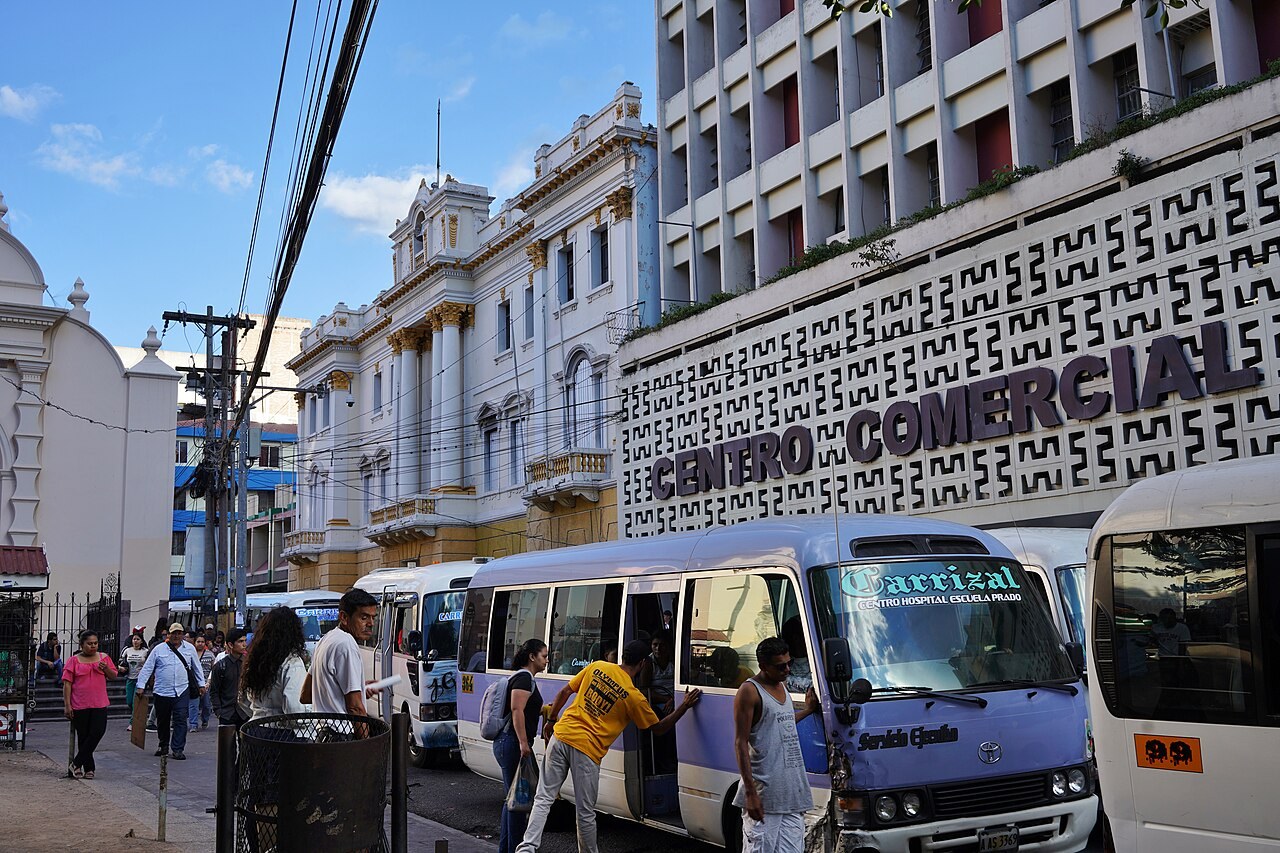
Honduras fuel tax talks between Congress, the government and transport operators ended on Wednesday 30 September 2026 without a definitive agreement. Urban bus leaders walked out, and officials sent every proposal to technical working groups.
A day of talks in Congress
Two committees of the National Congress, Honduras’s single-chamber parliament, called the meetings. They were the Transport Committee and the Mining and Hydrocarbons Committee.
Heavy-cargo hauliers came in the morning with Cohep, the private-sector business council, and Ahdippe, the association of fuel distributors. Urban and intercity bus operators and taxi drivers were due in the afternoon.
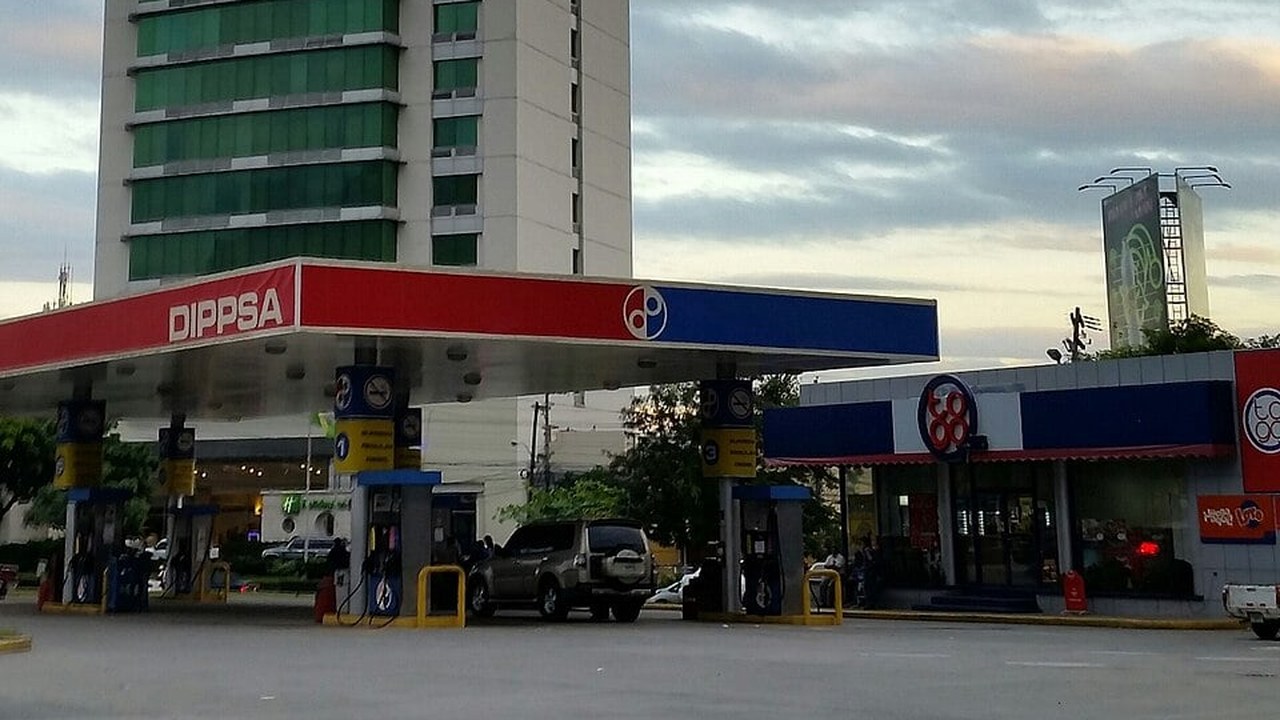
The trigger is the price at the pump. Fuel costs more than L153 a gallon (about US$5.69) in parts of the country, El Heraldo reported.
Honduras imports all of its fuel, so world oil prices reach its petrol stations within days. The energy ministry sets maximum prices every week.
Why bus leaders walked out
Wilmer Cálix, a leader of the urban transport sector, said organisers split the delegation into lists. Some groups got in and others were told they could not enter.
Representatives from San Pedro Sula, La Ceiba, Santa Bárbara, Danlí, Choluteca and Tegucigalpa were left outside, he said. “We understand that they do not want to listen to us,” Cálix told El Heraldo.
Their main proposal was to remove fuel taxes for the rest of the year. They also wanted a review of octane levels and of importers’ profit margins.
Other ideas included a taxi-booking platform, so cars stop circling for passengers, and special pumps reserved for public transport. Whether the leaders return is up to the National Transport Council, a sector body, Cálix said.
What lawmakers put on the table
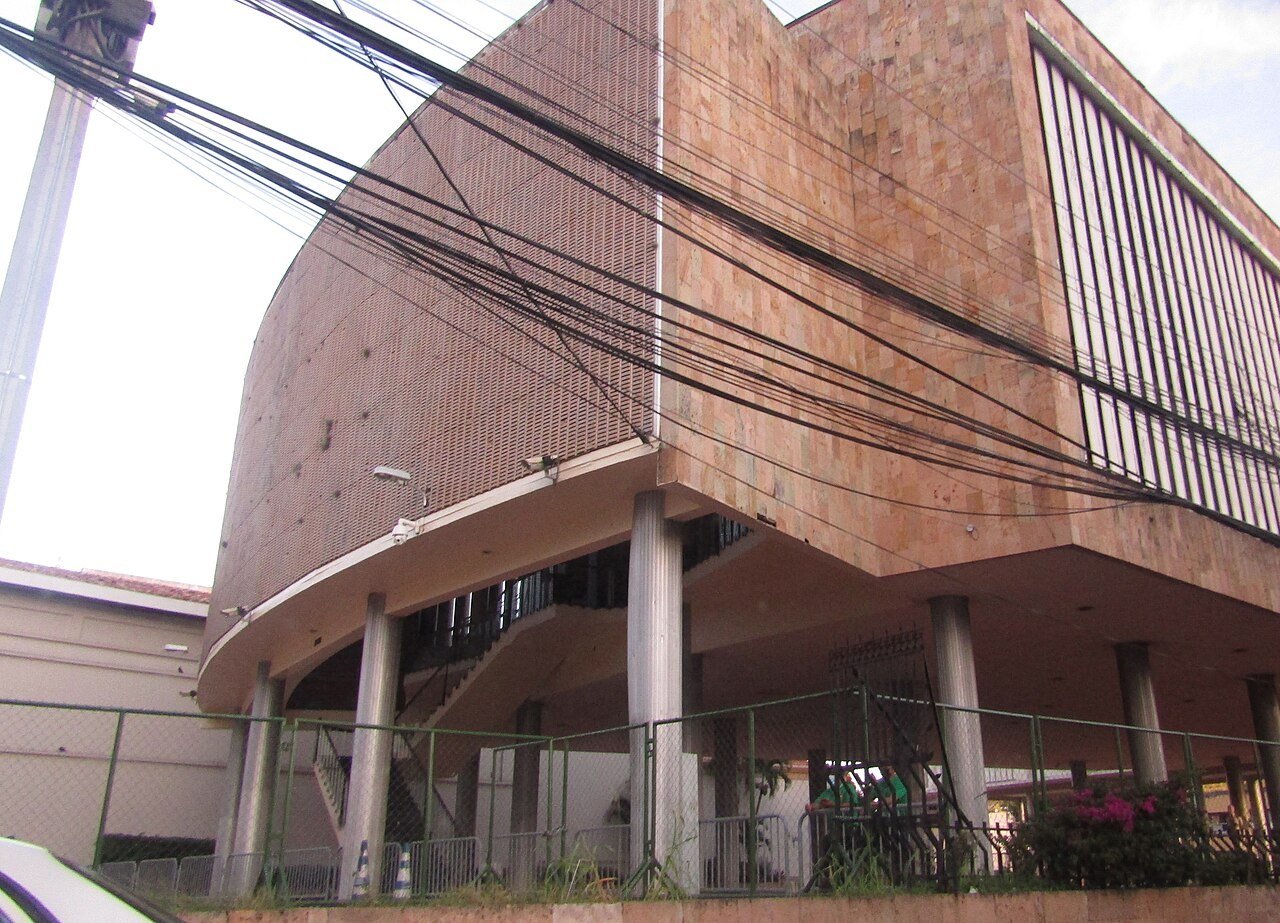
Cinthya Hawit, who chairs the Transport Committee, floated a two-week freeze of the price structure. She tied it to the Morazán holiday week, a national break that brings domestic travel.
“Not to suspend it, but perhaps to exclude the increase now,” she said, while technical talks continue. Removing the tax or paying drivers a bonus would not happen now, she added, because the finance ministry has its plans set.
Erick Alvarado, who chairs the Mining and Hydrocarbons Committee, called the working group technical, not political. He said the government already spends heavily on subsidies, and that the price rises are global.
The finance ministry’s arithmetic
Finance Minister Emilio Hernández Hércules put a number on the main demand. Freezing the fuel tax for six months would cost about L6.6 billion, roughly US$245 million.
“Those 6,600 are not free, they have to be paid,” he told Radio América on 29 September. He warned that the money could come out of salaries, investment, education or infrastructure.
The existing subsidy has already outgrown its budget. The 2026 allocation was L680 million (about US$25 million), and spending is now near L1.3 billion (about US$48 million).
“In economic matters, nothing is free,” Hernández Hércules said on 30 September. Any relief, he added, must respect the Fiscal Responsibility Law and name its source of funding.
Why the tax matters to both sides
The tax in question is the Aporte al Patrimonio Vial, a levy charged when fuel is imported. Its name means a contribution to the road network.
It raised L9.67 billion (about US$360 million) from January to August 2026, finance ministry data cited by El Heraldo show. That was L904 million (about US$34 million) more than a year earlier.
High prices have not cut consumption, and fuel imports have grown, so revenue has risen. Unlike world oil prices, the tax is set by Honduran law, which is why operators target it.
The cushions already in place
The state pays 70% of each weekly rise on regular petrol and diesel. Ana Valenzuela is a commissioner of IHTT, the land transport regulator. She called it “great support going directly into the pockets” of transport owners.
IHTT says it wants to keep passenger fares unchanged. The working groups will meet permanently at the energy ministry to examine how the pump price is calculated.
Households also have a separate cushion. A new energy law, signed by President Nasry Asfura, keeps electricity tariffs from rising for six months.
What it means for residents
For now, nothing changes at the pump beyond the weekly price list. The next list arrives at the weekend and takes effect on Monday.
No date has been set for a decision on the tax, and Cálix has not said whether bus leaders will return. If costs keep rising without relief, pressure on fares will grow.
More: Honduras news, every day from The Rio Times.
Frequently Asked Questions
What is the fuel tax dispute in Honduras about?
Transport operators want the tax on imported fuel removed for the rest of 2026. Pump prices have passed L153 a gallon (about US$5.69). The government says a six-month freeze would cost about L6.6 billion (about US$245 million).
Does Honduras subsidise fuel?
Yes. The state absorbs 70% of each weekly increase on regular petrol and diesel. The finance minister said spending on this support has reached about L1.3 billion (about US$48 million), against a budget of L680 million.
Will bus fares rise in Honduras?
The transport regulator IHTT says it aims to keep fares unchanged. Talks with operators have moved to technical working groups, and no decision date has been set.
Sources: El Heraldo · El Heraldo · El Heraldo · El Heraldo · El Heraldo
This article was produced by The Rio Times’ automated newsroom system. How we use AI · Report an error
Read More from The Rio Times