Guinea-Bissau Leads in Clarifying West African Borderlines
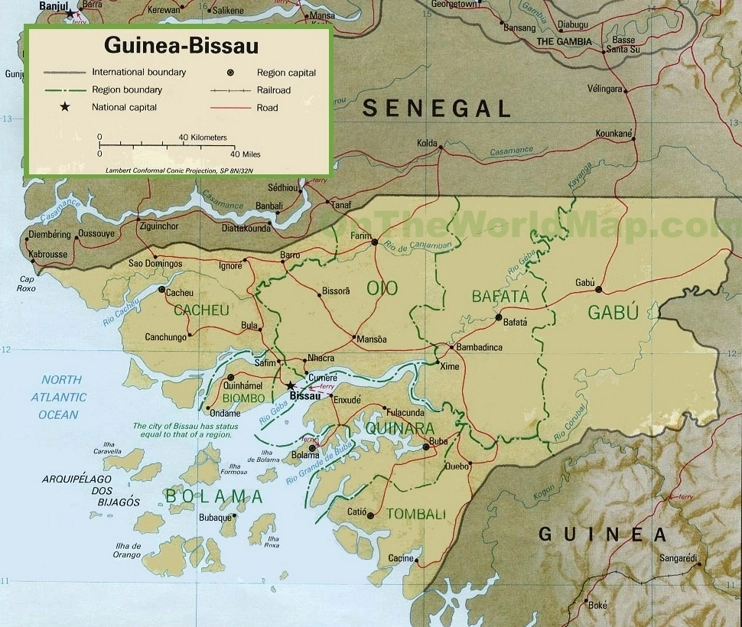
The government of Guinea-Bissau has formed a committee to discuss border issues with Senegal and Guinea-Conakry.
Balbina Gomes, the leader of the committee, made the announcement. She says some border markers may have changed places.
The team will visit Dakar on November 21. There, they plan to create a joint group with Senegal.
This group will work until 2025. Their goal is to draw a clear line in the water between Guinea-Bissau and Senegal. They will also check if old land markers are still in the right spots.
The team will do the same thing with Guinea-Conakry. Gomes tells us there are about 84 markers on the land border with Senegal.
She says some may have been moved. About 47 markers are said to exist between Guinea-Bissau and Guinea-Conakry.
Next, the team will visit the border regions. Both sides will bring maps to show who owns what land.
Experts with GPS devices will go along. They will confirm the location of the markers.
Gomes says this work is very important. The African Union has also said that countries need to make their borders clear. If not done right, it could lead to future problems.
Background
This move by Guinea-Bissau comes at a crucial time. Africa as a whole is revisiting borders set during colonial times.
The African Union has urged West African countries to clarify their boundaries. This helps to maintain peace and resolve any territorial issues.
Guinea-Bissau’s step towards open dialogue is a sign of proactive governance. It sets an example for other African nations.
Accurate border demarcation is not just about land. It also affects trade, resources, and relationships with neighboring countries.
By aiming to complete the task by 2025, Guinea-Bissau shows commitment. This could serve as a template for how other countries address similar issues.
Both Senegal and Guinea-Conakry will likely be watching closely. The outcome could influence their own future actions and policies.
Editorial responsibility: Matthias Camenzind, Editor-in-Chief · Editorial standards · Report an error
Part of our ongoing coverage
Africa: The New Scramble — the great-power contest over the continent.