Guatemala Makes Ethanol in Gasoline Mandatory From August
Energy
Key Facts
—The rule. From 21 August, all Guatemalan filling stations must sell E10, a blend of 90% gasoline and 10% ethanol.
—The delay. The public launch slipped from 30 June to 21 August to give stations time to prepare.
—The scale. Around 2,200 stations are affected, and the country needs roughly 100 million gallons of ethanol a year.
—The US link. Under a trade deal with Washington, Guatemala pledged to buy 50 million gallons of US ethanol.
—The price. Officials say ethanol at about $2 a gallon can cushion pump prices against oil at around $3.10.
—The green case. The blend replaces an older additive and is projected to cut over 433,000 tonnes of CO2 a year.
E10 ethanol is about to become the default at every Guatemalan petrol pump. The switch is part energy policy, part climate move, and part trade favour to Washington.
Guatemala is changing what comes out of its fuel pumps. From late August, ordinary gasoline will carry a slug of ethanol by law.
The move looks technical but carries real weight. It touches fuel prices, the environment and the country’s trade ties with the United States.
What the E10 ethanol rule requires
The core of it is simple. From the twenty-first of August, every filling station must sell E10, a mix of ninety percent gasoline and ten percent ethanol.
The date has moved once already. The public rollout was pushed back from the end of June to allow a technical preparation phase across the supply chain.
The logistics are non-trivial. Around two thousand two hundred stations are affected, and officials say a share of them still need to clean or upgrade their storage tanks.
The legal groundwork is now moving fast. This month the energy ministry activated the methodology that checks whether the country has enough ethanol to supply the market.
Why E10 ethanol is tied to US trade
This is where the policy gets geopolitical. Guatemala needs about one hundred million gallons of ethanol a year for the blend, and it does not produce all of it.
Washington is the intended supplier. Under a reciprocal trade agreement with the United States, Guatemala committed to make efforts to buy fifty million gallons of American ethanol.
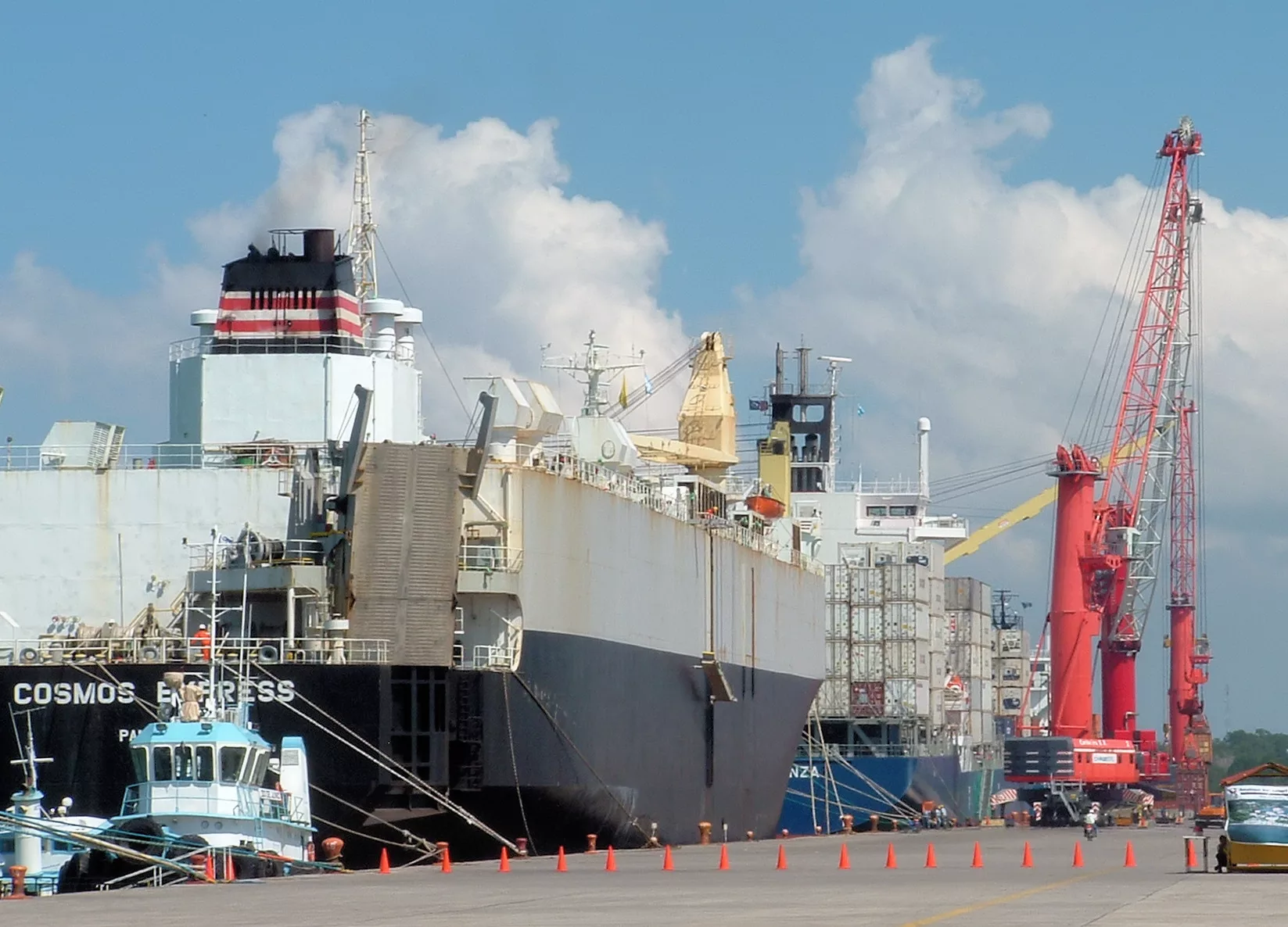
The first shipments have already docked. A vessel arrived at the Atlantic port of Santo Tomás de Castilla carrying three thousand tonnes of ethanol from the United States.
The US embassy has cheered it on. It publicly congratulated Guatemala, noting the blend will widen demand for ethanol produced in the United States.
Prices, engines and the air
For drivers, the first question is cost. Officials argue ethanol acts as a price stabiliser, since it is cheaper than gasoline and does not track the global oil price as closely.
The gap is real on their figures. A gallon of ethanol runs around two dollars against roughly three dollars and ten cents for gasoline, softening the blow when crude rises.
There is no need for drivers to change anything. Authorities say the country’s vehicles are built to run on the E10 standard and the switch should be imperceptible.
The environmental pitch is straightforward. The blend replaces an older additive, improves combustion, and is projected to cut more than four hundred and thirty thousand tonnes of carbon dioxide a year.
Why it matters
For a foreign reader, this is a small country using fuel policy to juggle three goals at once. It wants cheaper, cleaner fuel and warmer trade relations with Washington, all in a single measure.
The honest caveat is that station owners were not at the table. Fuel retailers say they did not design the rule and now face extra costs for tanks and equipment, a friction point worth watching near the deadline.
The wider read is about direction. Guatemala is joining Brazil, the United States and others that already blend ethanol, betting that home-grown and imported biofuel can steady its exposure to volatile oil.
More: Latin America news in English, every day from The Rio Times.
Frequently Asked Questions
What is E10 and when does it start?
E10 is a fuel blend of 90% gasoline and 10% ethanol. From 21 August 2026, all filling stations in Guatemala must sell it, after the public launch was moved back from 30 June to allow a technical preparation phase.
Why is the US involved?
Guatemala needs about 100 million gallons of ethanol a year and does not produce it all. Under a reciprocal trade agreement with Washington, it committed to buy 50 million gallons of US ethanol, and the first shipments have already arrived.
Do drivers need to change anything?
Drivers do not need to change anything, because the country’s vehicles are designed to run on the E10 standard and the change should be imperceptible. Officials also argue the blend can help cushion pump prices, since ethanol is cheaper than gasoline.
Connected Coverage
Brazil’s 50-Year Ethanol Bet Pays Off as Iran War Roils Global Fuel Markets
Energy Inflation in Latin America Hits 6.41% in May 2026
Canada Put Up $200 Million So Latin America Can Borrow $1 Billion
This article was produced by The Rio Times’ automated newsroom system. How we use AI · Report an error · Editorial responsibility: Matthias Camenzind, Editor-in-Chief