Going to Cuba? The corner of luxury resorts that can save the island from crisis
By Vinícius Pereira
That Cuba has a great influence in Latin America goes without saying.
The polemics and the political use of the socialist island resonate here, especially when part of society uses the “fear” of communism to send “to Cuba” those who think differently.
However, those who go to the Caribbean island for tourism can experience distinct types of an industry vital to the country facing a difficult post-pandemic period.

Priority destinations for travelers from around the world, the cities of Havana and Varadero blend two distinct types of tourism.
The capital Havana is the ideal destination for those who want to get a closer look at Cuban reality.
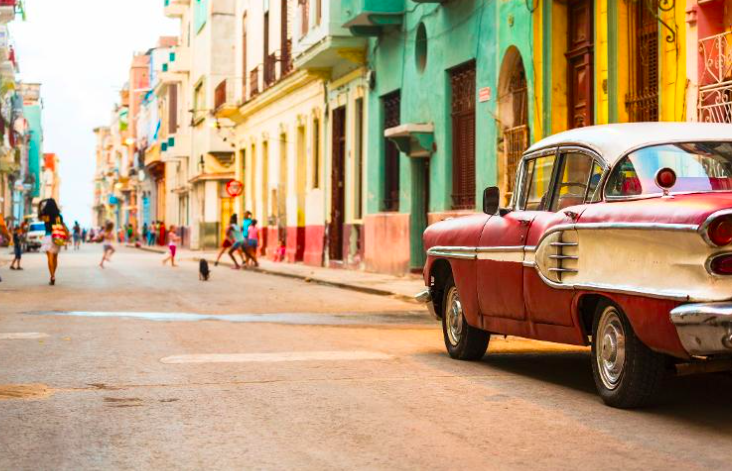
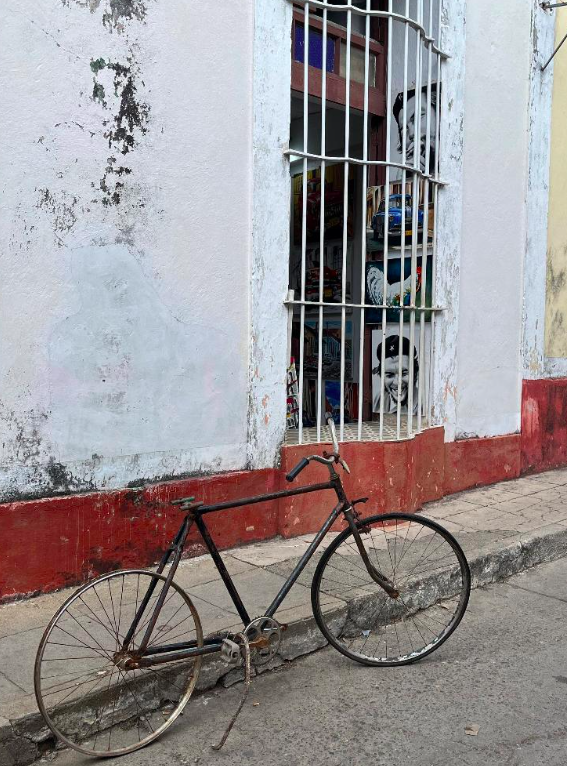
Amidst the cliché of old cars and buildings falling to pieces, Cubans are opening many small shops, restaurants, and private bars.
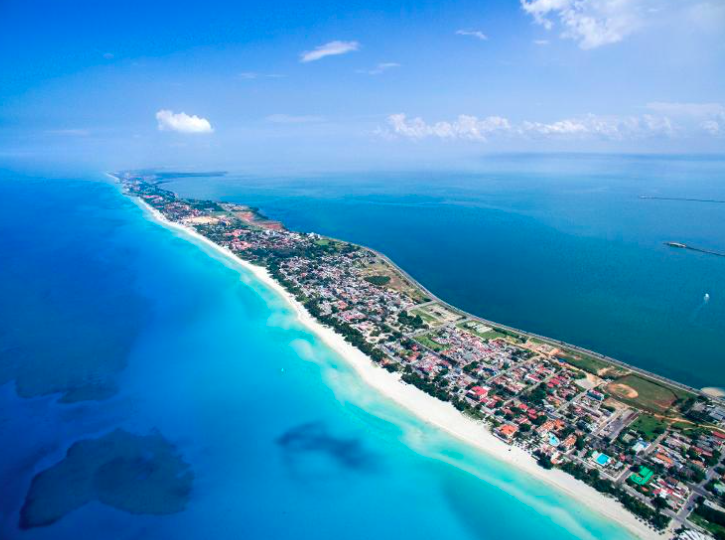
The paradise Varadero, on the other hand, brings natural beauty as a priority.
Large, all-inclusive hotels (without much variety, admittedly) receive a mass of middle-class Canadians and Europeans searching for sun, fair prices, and not the least bit interested in any political controversy.
IN HAVANA, 100% CUBAN EXPERIENCE
When one thinks of Cuba, perhaps the first image in mind is the capital city of Havana, which has more than 500 years of foundation by the Spanish.
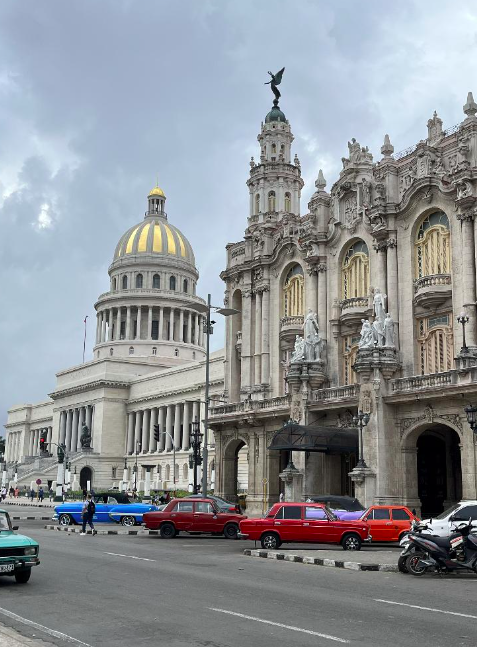
There, those cars from the 1950s, before the Revolution, and old buildings form a unique landscape.
The city, of about two million inhabitants, has several very different neighborhoods.
After all, as the locals say, there are several Havanas within Havana.
In the Habana Vieja neighborhood, the most touristy of them all, streets with precarious asphalt give access to the historic buildings.
On the Unesco World Heritage list, the neighborhood comprises over 3,000 buildings, home to some 50,000.
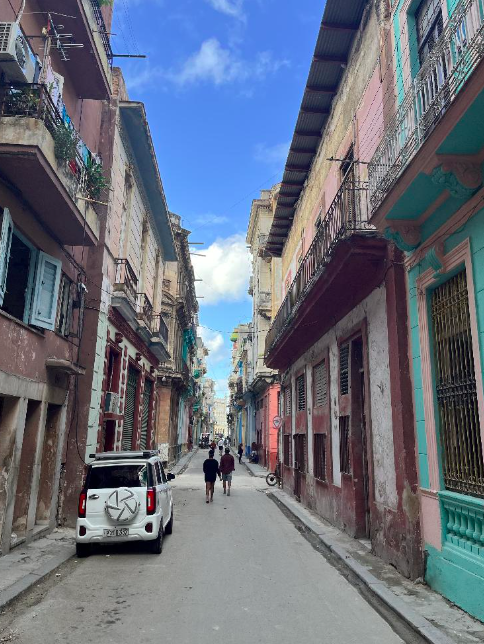
There, the residents share buildings resembling tenements, with several residences in the same place.
In these buildings, the Cuban government authorizes renovating and renting rooms for foreigners.
You only have to look at the white and blue signs hanging on the buildings to know if rooms are offered in private residences.
While tourists are divided between visiting the places where the American writer Ernest Hemingway used to go or getting to know the ins and outs of the revolution made by Fidel Castro, Ernesto Che Guevara, and Camilo Cienfuegos in the city’s museums, residents take the opportunity to have an increase in income in the socialist world.
With the resumption of tourism in Cuba, family income is the main benefit to the population.
Like the hotel network, it is precarious and state-run; many people make meals and rent rooms from local families.
“This is a source of access to a strong currency, such as the dollar and the euro,” says Simon Silber, professor of international economics at the University of São Paulo (USP)
This is how Marina, who preferred not to give her last name and who has lived there since birth, receives tourists looking for a 100% Cuban experience.
According to her, high inflation makes salaries lose value quickly, so she started looking for extra income.
“It’s a great way to get more money to live a more comfortable life. We work a lot and study a lot, but life has become more difficult for some years now. Receiving tourists is the means we found to improve ourselves,” she said.

Last year Cuba registered an official price hike of 70% in 2021 and about 40% in 2022.
I usually get a lot of Germans, Italians, and French.
For the most part, they come to spend days in the same way as we Cubans live.
And, in my impression, they like to have such an experience.
If the experience is local, there is no way to expect great ostentation of material goods.
After all, Cuba lives under a commercial blockade since the 1960s imposed by the USA.
Therefore, the breakfasts offered by locals (at the price of €5) do not have a large variety of bread or fruit.
There are, however, no severe restrictions on food or personal hygiene products.
Moreover, amid the pandemic, the government of Miguel Díaz-Canel has implemented a series of economic reforms, which has put an end to the two existing currencies and facilitated the opening of small private businesses.
New restaurants and bars can be seen in the streets of the capital.
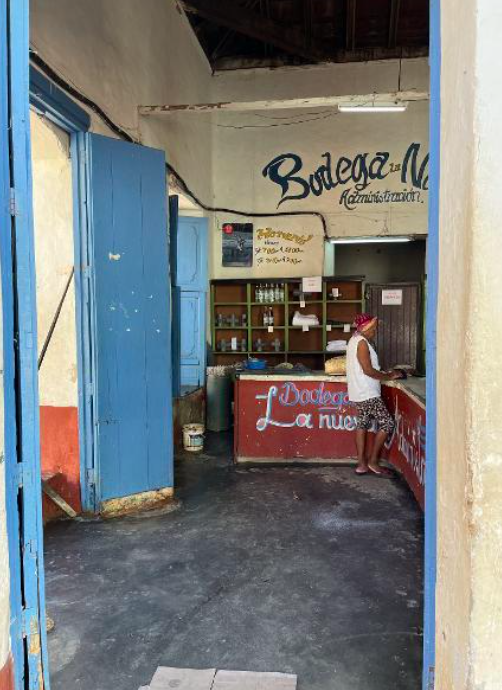
According to local jokes, if the establishment has live music and several drink options, it is probably private. If not, it is state-owned.
The difficulties are worsening mass emigration and creating differences in a society that used to be equal.
In microeconomics, as the population is still a beginner in the administration of small businesses and product pricing, it is not uncommon to see, in the same street, prices up to four times higher for the same item.
For Luiz, who owns a small tavern in front of his house where he sells water and coffee, the tourists who pass through there seek to experience a different way of organizing society, regardless of whether they agree with the terms.
Some nostalgic people come for the old cars, the cigar, and the rum.
But most foreigners want to understand how another way of life is our Cuban way.
I don’t believe much in the mold of the Revolution these days, but I understand those who want to see up close how things work.
VARADERO: IN SEARCH OF THE SUN
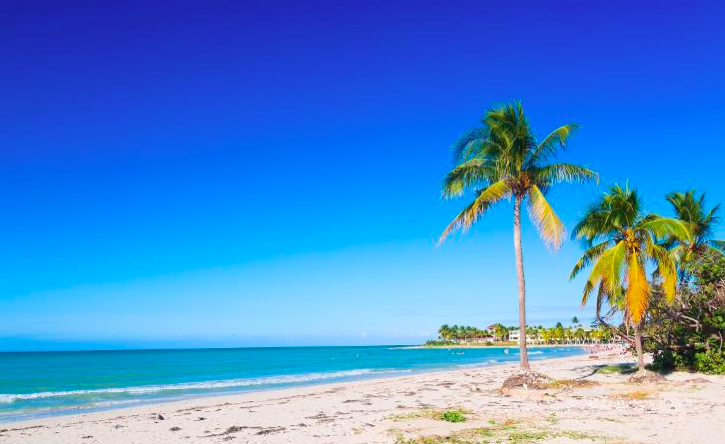
While in Havana, it is impossible not to notice the historical aspects of Cuban politics and economy, in Varadero, which is home to paradisiacal beaches and hotels of large European chains, it is (almost) possible to forget that the tourist is in a socialist country.
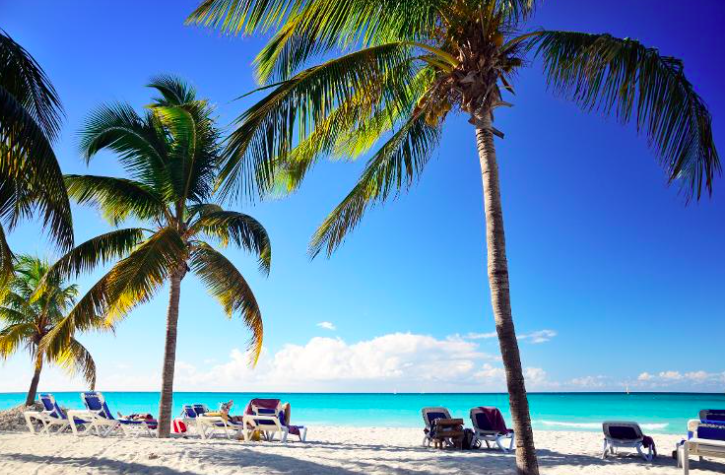
Varadero, about 150 km from the Cuban capital, is marked by its beautiful beaches. That’s why, on the main road that cuts through the city, the 20 thousand meters are full of grand resorts.
Since then, Cuban leader Fidel Castro declared that tourism would be a priority in Cuba in the 1990s; major European chains such as Meliá and Iberostar have teamed up with the Cuban government to launch hotels in a partnership that can house tourists.
The city, since then, has almost a hundred hotels, totaling thousands of available rooms.
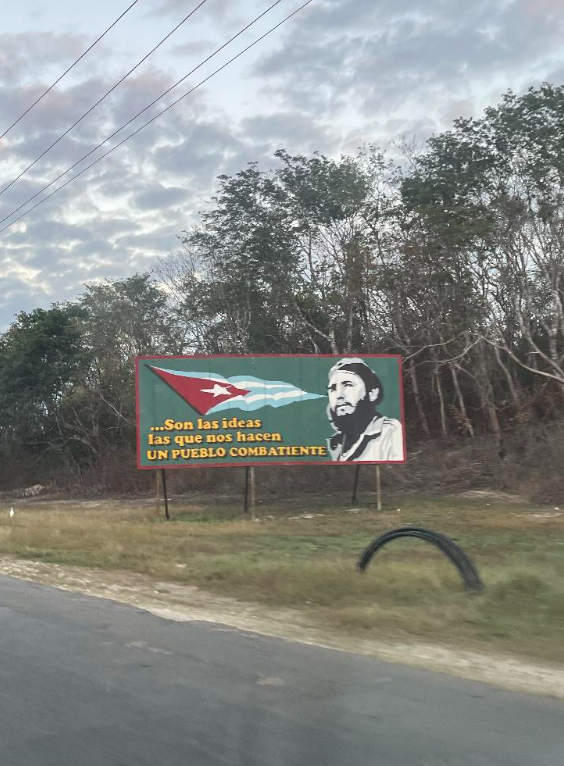
If it weren’t for a few billboards scattered along the road between Havana and Varadero or banners held up by officials in honor of Fidel, it would be hard to believe it’s the same Cuba.
There, the all-inclusive food and beverage system is the most common.
In some ways, Cuban luxury differs from hotels in Jamaica or Mexico.
There is no variety of fruits, and it is common to lack basic items in a hotel above three stars, such as plastic cups, beer, or any drink made of vodka.
Fruits are only those produced on the island, as well as fish, chicken, or pork.
Only Cuban rum is abundant there.
But, nothing hinders those who seek to relax in the almost 30º C average temperature of the place.
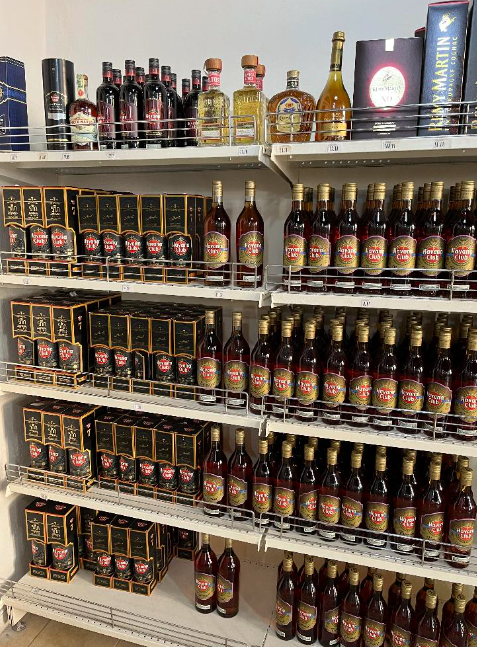
In addition, the buildings, for the most part, also need a makeover (at least a new paint job).
There are no modern TVs, and the air conditioning is still analog. Details that do not seem to bother the guests of the big chains, however.
Dorath Lee, 42, a retired Canadian teacher, said:
“We know little about Cuba. Of course, I have read something about the revolution, but it doesn’t sound like something great.”
“We landed here in Varadero and came straight to the hotel escaping the -15º C in Canada.”
“For us, it is close and also cheaper than other places. Dorath Lee, 42, retired Canadian teacher.”
If the weather and the turquoise beaches with white sand and a lot of calmness please, the Cuban pseudo-luxury doesn’t make the tourists lose their good mood.
Groups of Russians, who are not welcomed in many places in the world after the war in Ukraine, have become part of the tours that land in the country.
“In recent years, Russians have been visiting Cuba more and more. I don’t know the official data, but there is a clear perception that we are receiving more Russians here,” said Rafaela, a tourism agent for a state agency.
Although it does not distinguish between countries, the Cuban government praises the island’s attempt to recover.
According to the official Cuban media, the latest available data show that in January this year, about 246,000 visitors came to Cuba, a 186% increase from 86,000 in the same period last year.
But, despite the Caribbean island’s history and influence in Brazil, Brazilians are still shy there.
Data from CVC, the largest tour operator in the country, show that in 2019, before the pandemic, the company embarked 221 passengers to Havana, which represents only 0.23% of total international departures.
Apparently, Brazilians are still limited to visiting the country thanks to Cuba’s controversial policies.
With information from UOL
This article was produced by The Rio Times’ automated newsroom system. How we use AI · Report an error
Read More from The Rio Times