Ghana Sacks Nine State Boards Days After Profit Report
GHANA · STATE COMPANIES
Key Facts
- —What happened President John Mahama dissolved the governing boards of nine state entities on 2 September 2026.
- —Which ones GNPC, BOST Energies, Consolidated Bank Ghana, VALCO, Prestea Sankofa Gold, Ghana Post, TDC Ghana, the Road Maintenance Trust Fund and the National Sports Authority.
- —What is SIGA The State Interests and Governance Authority, the body that oversees Ghana’s state-owned companies on the government’s behalf.
- —The headline number Ghana’s state-owned enterprises made a net profit of GH¢19.80 billion, about US$1.74 billion, in 2025. It was their first profit in four years.
- —The number underneath A separate category, Other State Entities, ran a deficit of GH¢10.48 billion, roughly US$920 million, driven substantially by the Bank of Ghana.
- —Whose figures SIGA’s own, published in its 2025 State Ownership Report on 30 August 2026.
Ghana’s state companies made money last year for the first time since 2021. The president sacked nine boards anyway.
President John Mahama dissolved the boards of nine Ghanaian state entities on 2 September 2026. The move came three days after SIGA reported that the country’s state-owned enterprises had returned to profit.
The Nine
The presidency announced the dissolutions in a statement from Felix Kwakye Ofosu. He is spokesperson to the president and minister of state for government communications.
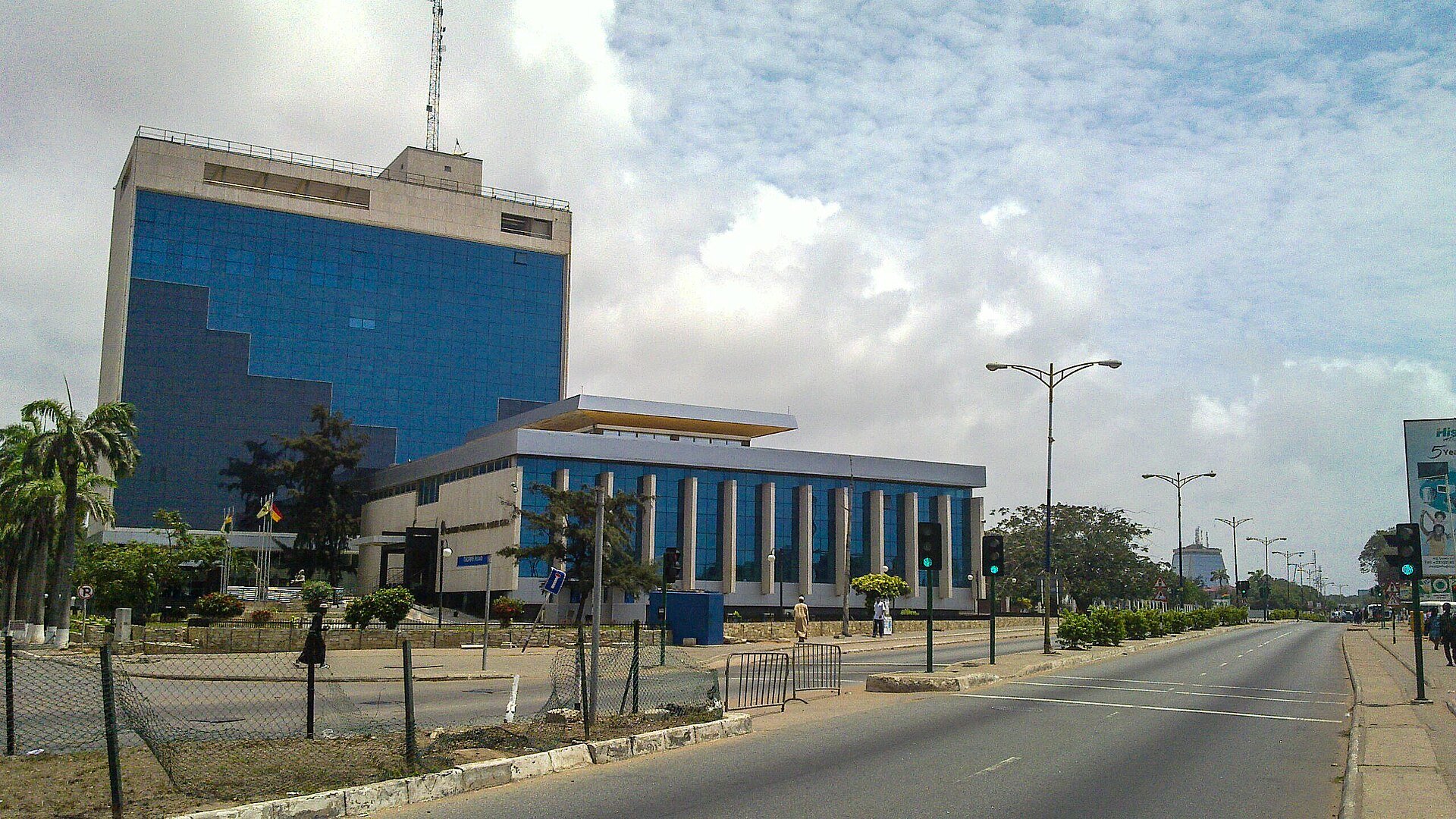
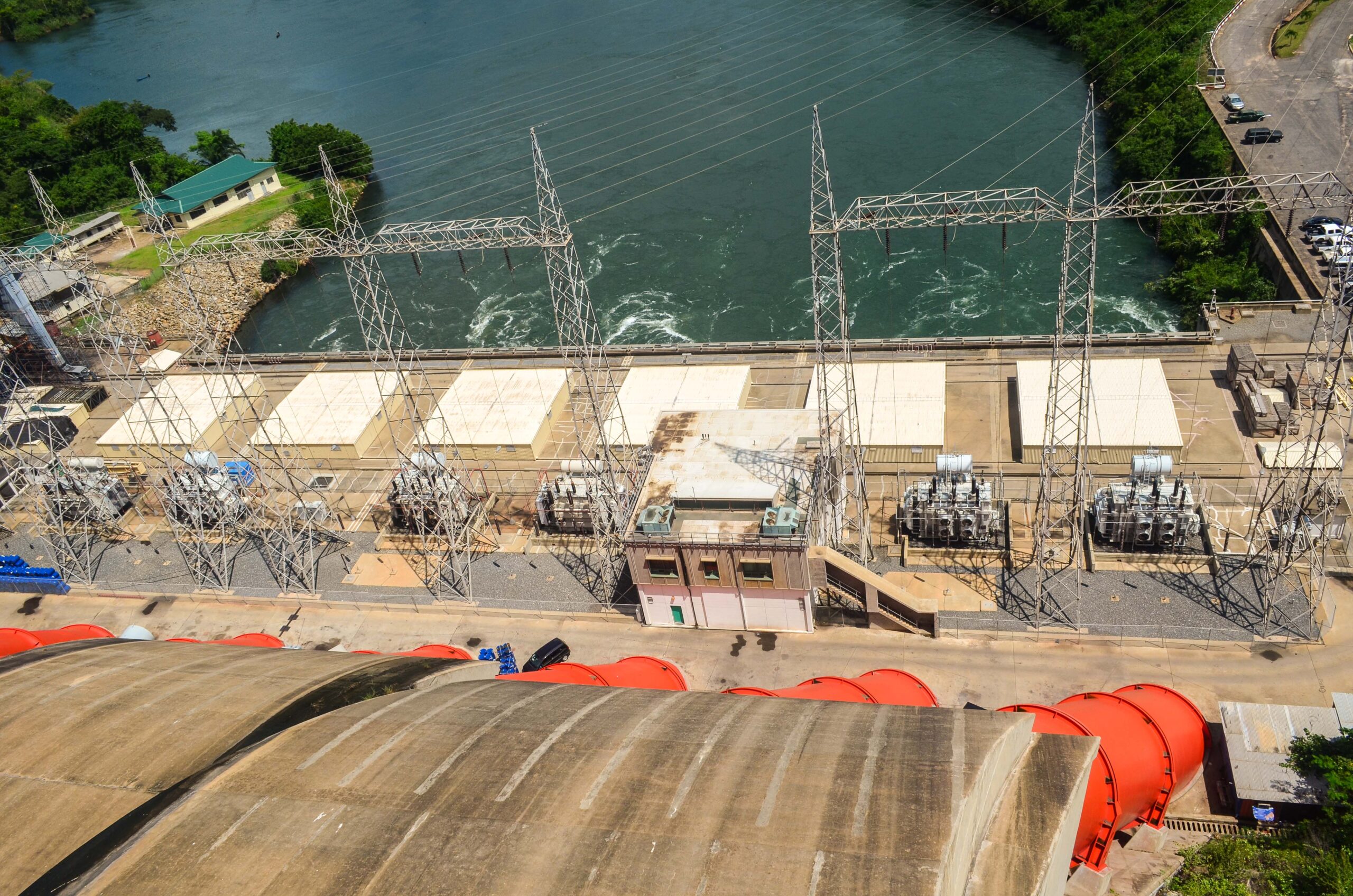
Four are in energy, mining and banking: the Ghana National Petroleum Corporation, BOST Energies, Consolidated Bank Ghana and the Volta Aluminium Company. The rest are Prestea Sankofa Gold, Ghana Post, TDC Ghana, the Road Maintenance Trust Fund and the National Sports Authority.
BOST Energies is the former Bulk Oil Storage and Transportation Company, rebranded at its 2025 annual general meeting.
Dissolving a board in Ghana removes the directors and leaves management in place until new appointments are made.
The Report That Came First
SIGA released its 2025 State Ownership Report, the tenth edition, on 30 August 2026. It covers 162 of 175 state entities.
Ghana’s state-owned enterprises recorded a net profit after tax of GH¢19.80 billion, about US$1.74 billion, against a net loss of GH¢2.25 billion, roughly US$197 million, in 2024.
Revenue reached GH¢176.43 billion, some US$15.5 billion, up 28.12%.
These are SIGA’s figures about entities SIGA supervises, published by the government that appoints its leadership. They have not been independently audited in public.
The Deficit Is in a Different Category
The report divides Ghana’s public entities into three groups: 53 state-owned enterprises, 36 joint ventures and 73 Other State Entities.
It is the third group that ran the deficit. Other State Entities recorded GH¢10.48 billion, about US$920 million, in 2025, against GH¢2.18 billion, roughly US$191 million, the year before.
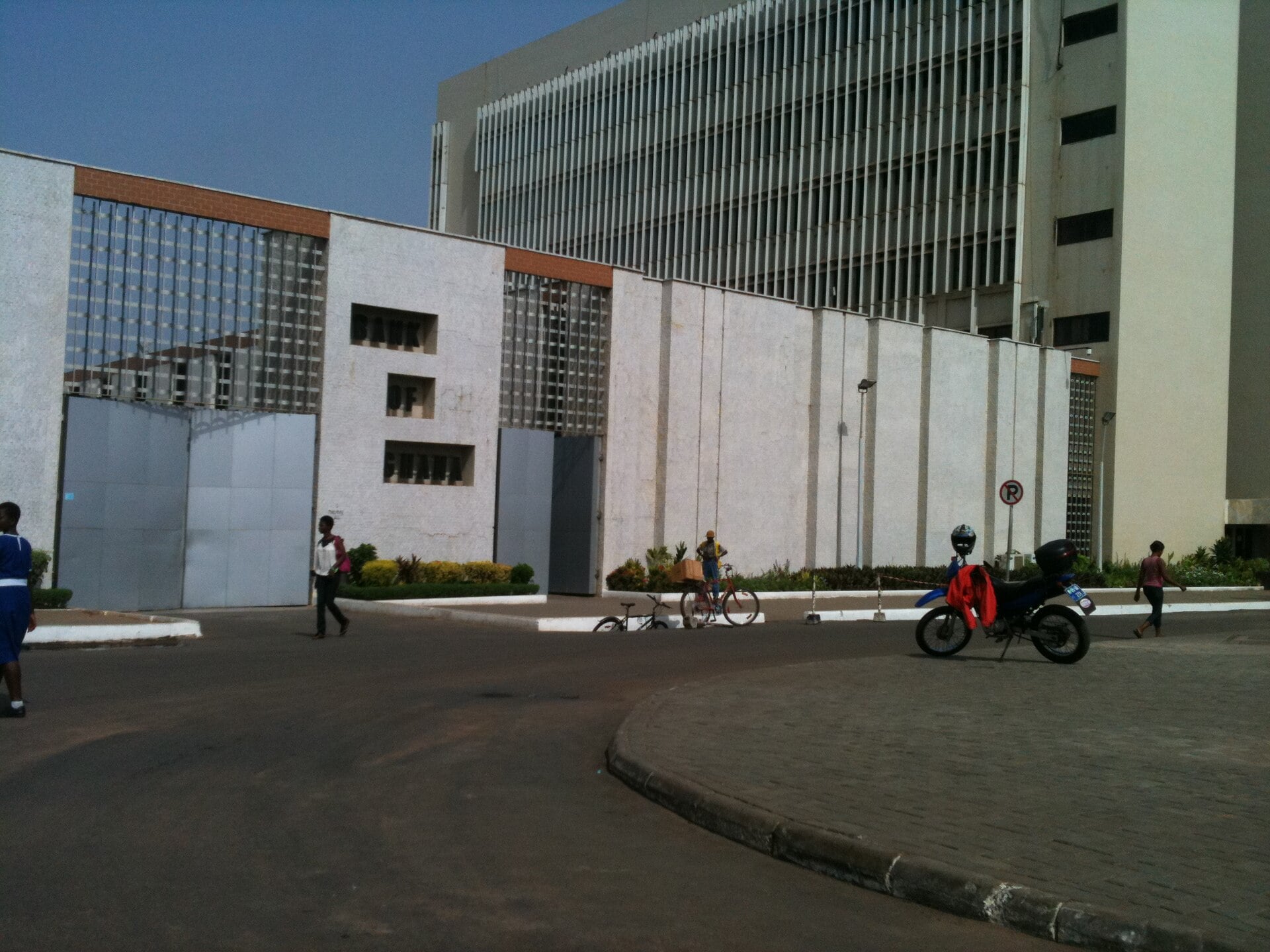
A substantial part of that comes from the Bank of Ghana’s negative equity position of GH¢93 billion, some US$8.2 billion.
The Bank of Ghana is not among the nine entities whose boards were dissolved. None of the nine sits in the deficit category.
What the Dissolutions Are Actually About
The presidency did not publish a reason for each entity.
Board dissolution in Ghana is routine after a change of government and is normally read as political rather than financial.
Mahama returned to office in January 2025, and appointments made under the previous administration have been reviewed across the public sector since.
Linking the sackings to a deficit generated largely by the central bank’s balance sheet would not survive contact with the report.
The Reform Programme
Mahama met the heads of Specified Entities in March 2025. SIGA, he said then, would act as a command centre with executive authority.
He said loss-making state companies would no longer be tolerated and would be reformed, merged, privatised or shut down.
SIGA was given the task of negotiating and enforcing performance contracts, commissioning independent audits and issuing binding directives.
Those commitments are eighteen months old. The board dissolutions are the first visible enforcement.
Why It Matters Beyond Accra
Ghana completed a debt restructuring under an International Monetary Fund programme and is rebuilding access to international capital markets.
State enterprise losses were among the contingent liabilities that creditors examined most closely during that process.
GNPC sits at the centre of Ghana’s oil sector and BOST at the centre of fuel distribution. Their governance affects supply as well as accounts.
For foreign investors, the question is whether performance contracts are enforced or merely announced.
What to Watch
The new board appointments and who sits on them.
Whether SIGA publishes the independent audits it was told to commission.
The Bank of Ghana’s equity position, which drives the deficit figure more than any operating company does.
And next year’s State Ownership Report, which will show whether the 2025 profit was a turn or a single good year.
More: Africa news and analysis, every day from The Rio Times.
Frequently Asked Questions
What did Mahama do?
He dissolved the governing boards of nine state entities on 2 September 2026, announced by the presidency.
Which entities?
GNPC, BOST Energies, Consolidated Bank Ghana and VALCO. Also Prestea Sankofa Gold, Ghana Post, TDC Ghana, the Road Maintenance Trust Fund and the National Sports Authority.
Did Ghana’s state companies lose money?
No. SIGA reported a net profit after tax of GH¢19.80 billion, about US$1.74 billion, in 2025, the first profit in four years.
What is the GH¢10.48 billion deficit?
It belongs to a separate category, Other State Entities. It is driven substantially by the Bank of Ghana’s negative equity of GH¢93 billion.
When was the report published?
30 August 2026, as SIGA’s 2025 State Ownership Report, the tenth edition.
What is SIGA?
The State Interests and Governance Authority, which oversees Ghana’s state entities and publishes the annual ownership report.
Sources: Presidency of Ghana, State Interests and Governance Authority 2025 State Ownership Report, MyJoyOnline, Ghana Business News, Bank of Ghana.
This article was produced by The Rio Times’ automated newsroom system. How we use AI · Report an error
LatAm Markets: Live Signals → — real-time movers, turnover leaders and FX across Latin America.
Read More from The Rio Times