IBOV 209,066.90 ▲ 1.38% IPSA 11,043.36 ▲ 0.17% IPC MEX 66,411.11 ▲ 0.55% MERVAL 2,828,027 ▼ 0.16% COLCAP 2,531.15 — 0.00% BVL PERÚ 60,956.11 ▼ 0.51% USD/BRL4.99▼ 0.02% USD/MXN18.27▼ 0.74% USD/CLP975.06— 0.00% USD/COP3,194▲ 0.25% USD/PEN3.44▲ 0.37% USD/ARS1,517▼ 0.02% USD/UYU40.18▼ 0.06% USD/PYG5,691▲ 0.26% USD/BOB11.69▼ 0.68% USD/DOP61.12▲ 0.41% USD/CRC449.86▼ 0.21% USD/GTQ7.64— 0.00% USD/HNL26.86— 0.00% USD/NIO36.62— 0.00% USD/VES874.61▼ 0.13% USD/PAB1.00— 0.00% USD/BZD2.00— 0.00% USD/JMD 157.28 — 0.00% USD/TTD6.77▲ 0.25% EUR/BRL5.56▼ 0.27% BRENT 88.88 ▼ 0.03% WTI 83.11 ▼ 0.11% IRON ORE 161.91 — — COPPER 6.61 ▲ 0.03% GOLD 4,461 ▲ 1.78% SILVER 65.59 ▲ 1.26% SOY 1,184 ▲ 3.20% CORN 480.50 ▲ 10.02% WHEAT 655.00 ▲ 3.93% COFFEE 317.25 ▼ 5.51% SUGAR 16.43 ▼ 1.79% ORANGE JUICE 138.55 ▼ 0.47% COTTON 85.03 ▲ 2.33% COCOA 5,719 ▲ 3.18% BEEF 223.60 ▼ 3.93% CATTLE 339.10 ▼ 3.16% LITHIUM 75.20 ▲ 1.47% PETR4 41.64 ▼ 0.05% VALE3 72.97 ▲ 0.83% ITUB4 38.60 ▼ 1.03% BBDC4 16.85 ▲ 0.36% ABEV3 14.89 ▼ 0.80% BBAS3 19.37 ▲ 0.47% B3SA3 14.26 ▼ 0.21% WEGE3 47.59 ▲ 0.49% PRIO3 59.14 ▼ 0.19% SUZB3 41.33 ▲ 2.35% RENT3 34.68 ▼ 0.09% AZZA3 15.89 ▼ 2.63% CSAN3 3.22 ▼ 1.83% RAIZ4 0.25 — 0.00% PCAR3 2.75 ▼ 0.36% GMAT3 3.65 ▼ 1.08% PSSA3 48.13 ▼ 0.54% CVCB3 1.33 ▼ 2.92% POSI3 3.36 ▲ 2.44% SLCE3 13.34 ▲ 0.30% NATU3 8.14 ▼ 0.73% IBOV 209,066.90 ▲ 1.38% IPSA 11,043.36 ▲ 0.17% IPC MEX 66,411.11 ▲ 0.55% MERVAL 2,828,027 ▼ 0.16% COLCAP 2,531.15 — 0.00% BVL PERÚ 60,956.11 ▼ 0.51% USD/BRL 5.16 ▲ 0.01% USD/MXN 17.06 ▼ 0.24% USD/CLP 913.98 ▲ 0.04% USD/COP 3,140 ▲ 0.03% USD/PEN 3.36 ▼ 0.66% USD/ARS 1,493 ▲ 0.10% USD/UYU 40.27 ▲ 1.24% USD/PYG 5,939 ▲ 1.68% USD/BOB 11.64 ▼ 0.76% USD/DOP 58.34 ▲ 1.25% USD/CRC 445.92 ▲ 0.89% USD/GTQ 7.62 ▲ 2.21% USD/HNL 26.79 ▲ 1.57% USD/NIO 36.62 ▲ 0.69% USD/VES 762.44 ▼ 0.13% USD/PAB 1.00 — 0.00% USD/BZD 2.00 — 0.00% USD/JMD 157.28 — 0.00% USD/TTD 6.70 ▲ 0.61% EUR/BRL 5.95 ▲ 1.01% BRENT 88.88 ▼ 0.03% WTI 83.11 ▼ 0.11% IRON ORE 161.91 — — COPPER 6.61 ▲ 0.03% GOLD 4,461 ▲ 1.78% SILVER 65.59 ▲ 1.26% SOY 1,184 ▲ 3.20% CORN 480.50 ▲ 10.02% WHEAT 655.00 ▲ 3.93% COFFEE 317.25 ▼ 5.51% SUGAR 16.43 ▼ 1.79% ORANGE JUICE 138.55 ▼ 0.47% COTTON 85.03 ▲ 2.33% COCOA 5,719 ▲ 3.18% BEEF 223.60 ▼ 3.93% CATTLE 339.10 ▼ 3.16% LITHIUM 75.20 ▲ 1.47% PETR4 41.64 ▼ 0.05% VALE3 72.97 ▲ 0.83% ITUB4 38.60 ▼ 1.03% BBDC4 16.85 ▲ 0.36% ABEV3 14.89 ▼ 0.80% BBAS3 19.37 ▲ 0.47% B3SA3 14.26 ▼ 0.21% WEGE3 47.59 ▲ 0.49% PRIO3 59.14 ▼ 0.19% SUZB3 41.33 ▲ 2.35% RENT3 34.68 ▼ 0.09% AZZA3 15.89 ▼ 2.63% CSAN3 3.22 ▼ 1.83% RAIZ4 0.25 — 0.00% PCAR3 2.75 ▼ 0.36% GMAT3 3.65 ▼ 1.08% PSSA3 48.13 ▼ 0.54% CVCB3 1.33 ▼ 2.92% POSI3 3.36 ▲ 2.44% SLCE3 13.34 ▲ 0.30% NATU3 8.14 ▼ 0.73%
since 2009
Tuesday, October 13, 2026

Germany’s Push For A “Two-Speed Europe” Signals A New Inner Circle In Brussels

By · January 28, 2026 · 3 min read

Key Points

  • Berlin and Paris want six economies to move faster on finance, defense investment, and strategic inputs.
  • The plan aims to unlock more private capital, strengthen the euro’s role, and reduce key supply risks.
  • Supporters see speed and credibility; critics fear a lasting core-periphery split inside the EU.

Germany is moving to formalize what many in Brussels discuss privately: a smaller group of heavyweight economies should act first when the full European Union cannot move quickly.

Finance Minister and Vice Chancellor Lars Klingbeil called it the moment for a “two-speed Europe” on January 27, arguing the bloc must become stronger and more resilient as geopolitical uncertainty rises.

A letter reported by Reuters says Klingbeil and France’s leadership want a new working format for the EU’s six largest economies: Germany, France, Poland, Spain, Italy, and the Netherlands.
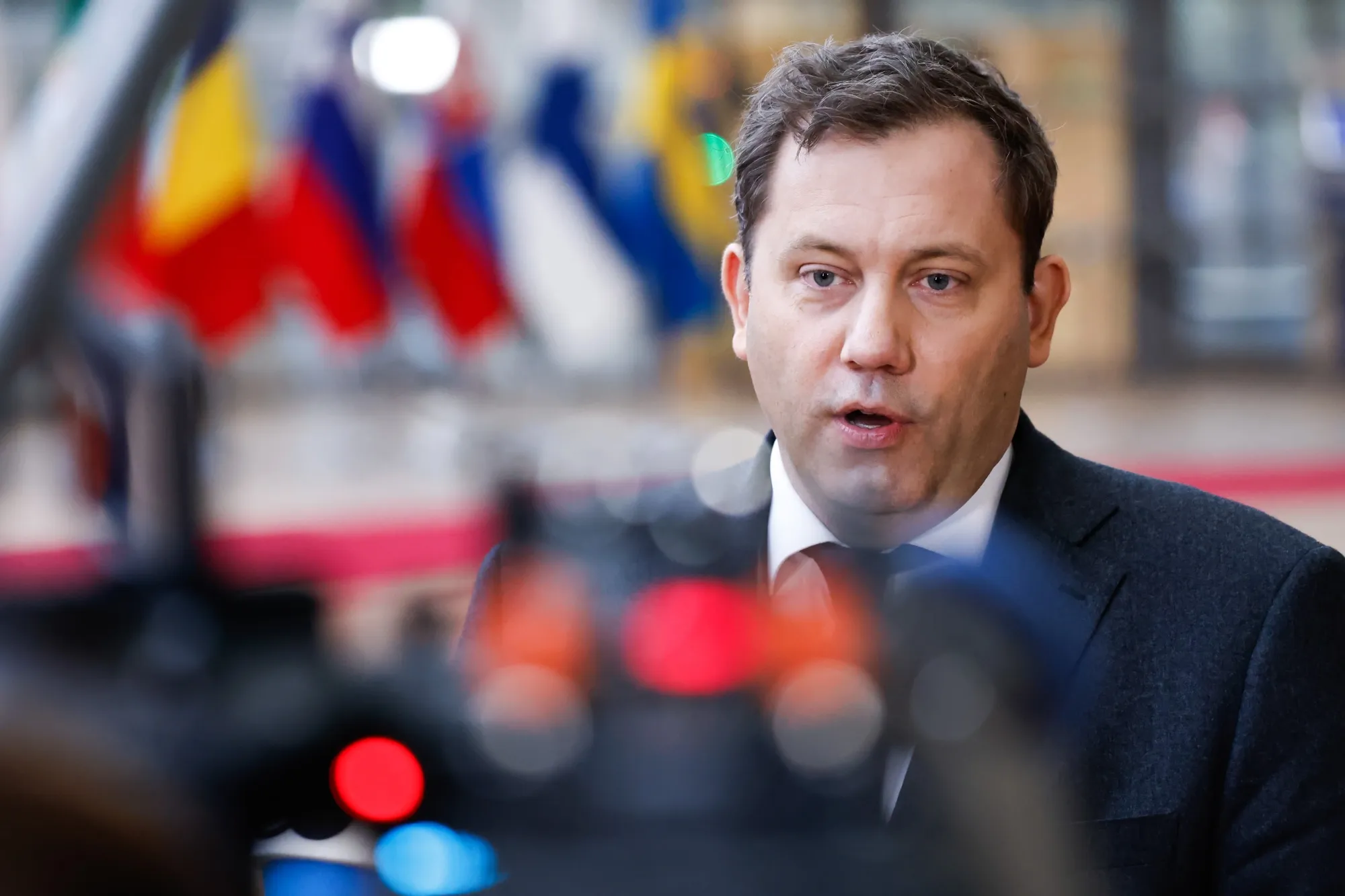
Germany’s Push For A “Two-Speed Europe” Signals A New Inner Circle In Brussels.
RT
Ask Rio Times
17 years of Latin America reporting, on demand.
Open the full Ask Rio Times →

Klingbeil invited those finance ministers to a January 28 video conference as a “kick-off,” with a follow-up in-person meeting intended on the margins of the next Eurogroup gathering.

Europe Pushes Economic Sovereignty Agenda

The agenda is concrete and pitched as economic hardening, not symbolism. The letter sets out four tracks: pushing faster progress on the capital-markets union to expand funding for European companies; strengthening the euro’s role, including ambitions to make it a steadier anchor in shocks.

The LatAm Brief

One email, every weekday morning. What moved in Latin American markets, politics and expat life.

Yesterday’s subject line: “Simon keeps Puerto Vallarta airport shut until Tuesday”

Free. We send a confirmation link first — nothing arrives until you click it. Unsubscribe with one click in any edition. If you stop opening us for 30 days we stop sending by ourselves, as we assume the interest is no longer there. See our privacy policy. We never share your email.

Coordinating defense investment more tightly to gain scale and reduce duplication; and securing critical raw materials to cut dependence on imported inputs, a vulnerability often associated with China.

This is also meant to be an answer to trade friction and global market fragmentation. The concern is straightforward: if tariffs rise and supply chains splinter, European growth and investment can suffer.

Unless the continent builds deeper pools of capital, clearer industrial priorities, and more reliable access to strategic materials. The move fits a broader Franco-German push that predates this week’s letter.

On January 19, Klingbeil met France’s economy and finance minister, Roland Lescure, and released a joint agenda framed around “economic sovereignty.” It cited the FIVE report on Europe’s scale-up financing gap, prepared by Christian Noyer and Jörg Kukies.

That agenda backs a Franco-German-led platform to connect institutional investors with European venture and growth funds. It also supports strengthening the European Tech Champions Initiative, described as ETCI 2.0, via the European Investment Fund.

Other planks include work on stock-option tax treatment, an EU-wide corporate legal form dubbed the “28th regime,” measures to make listings more attractive, and a digital-finance task force expected to report in the second half of 2026.

Supporters argue the method is pragmatic: a willing core can move first and set a template others can join. Critics see a risk of an inner circle that hardens political lines.

Either way, the message from Berlin and Paris is that Europe’s biggest economies want faster action, and they are preparing to do it together.

Related coverage: Brazil’s Morning Call | Revolut Enters Mexico With 15% Yield, Forcing A Rethink On F This is part of The Rio Times’ daily coverage of global affairs and Latin American financial news.

This article was produced by The Rio Times’ automated newsroom system. How we use AI · Report an error · Editorial responsibility: Matthias Camenzind, Editor-in-Chief

Read More from The Rio Times

The Rio Times · Power Map
See who really holds power in Latin America
Click to open the Power Map →

Rotate for Best Experience

This report is optimized for landscape viewing. Rotate your phone for the full experience.