GE Signs Deal to Rebuild Venezuela’s Broken Power Grid

Venezuela · Energy
Key Facts
—The deal. Venezuela signed a memorandum with the local arm of US energy group GE Vernova to help restore its collapsed power grid.
—The target. The plan aims to add 1,000 megawatts within two years and more than 5,000 megawatts within four.
—The gap. Analysts put the country’s power shortfall at around 3,000 megawatts, the cause of daily blackouts.
—The shift. It marks the first formal entry of US private capital into a sector held by the state for two decades.
—The doubt. Suppliers have worried for months about whether the cash-strapped country can actually pay them.
—The stakes. A working grid is the precondition for almost any economic recovery, including the prized oil sector.
A deal to rebuild the Venezuela power grid has handed a famous US company a starring role in fixing one of the country’s deepest problems, but the question of who pays hangs over everything.
For years, Venezuela’s electricity grid has been a byword for collapse. A country that once exported power to its neighbours now suffers blackouts that can last most of a day.
Now a big name has stepped in to help fix it. The local arm of US energy group GE Vernova has signed an agreement to begin restoring the broken network.
What the Venezuela power grid deal covers
The agreement is a memorandum of understanding, an early-stage framework rather than a finished contract. It was signed at the presidential palace in Caracas and broadcast on state television.
The stated ambition is large. The plan aims to add one thousand megawatts of capacity within two years, then build past five thousand within four.
That would be transformative if delivered. Analysts estimate the current shortfall at roughly three thousand megawatts, the gap that forces daily rationing across much of the country.
The early work is expected to focus on the north. That is where the capital Caracas and the city of Maracaibo sit, and where the bulk of the population lives.
The agreement followed about six weeks of joint audits of the country’s battered infrastructure. It was signed by senior interim-government figure Delcy Rodríguez and Eric Gray, who heads GE Vernova’s power segment.
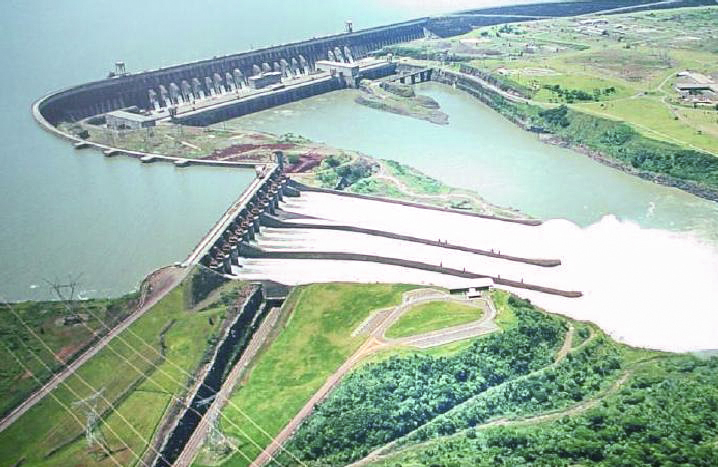
The roots of the crisis run deep. The grid leans heavily on the giant Guri hydroelectric plant, and years of poor maintenance left the backup thermal plants unable to cover the shortfall when droughts hit.
Why this is a turning point
The symbolism is hard to overstate. For nearly two decades the power sector was a closed, state-run monopoly, off limits to private and especially foreign money.
That door is now opening. Venezuela recently reformed its electricity law to let private companies back into generation, transmission and distribution for the first time since 2007.
The arrival of a US-listed giant is the clearest sign yet of the change. It follows a broader political reset and a Washington-backed push to revive the Venezuelan economy.
Other deals have pointed the same way. An Argentine engineering firm, now US-owned, is in advanced talks to finish two long-stalled hydropower dams that could add hundreds of megawatts.
The catch: who pays?
For all the fanfare, the hardest question went unanswered. Officials did not disclose how much the project will cost or where the money will come from.
That silence matters. When suppliers including GE Vernova met Venezuelan officials earlier this year, they reportedly left hesitant, unsure how they would actually be paid.
The reason is simple. Venezuela is short of cash and has a long record of failing to keep up payments to contractors, which is part of why the grid decayed in the first place.
Sceptics also warn about politics. Some analysts question whether the current government will give a foreign firm the room it needs, and whether the fixes will outlast it.
Why it matters beyond Venezuela
For a foreign investor, the deal is a useful test case. It shows both the scale of opportunity in a recovering Venezuela and the very real risk attached to it.
Electricity is the foundation of everything else. Without a reliable grid, the oil industry that the country is banking on cannot be rebuilt, and nor can ordinary economic life.
That is why a single memorandum carries such weight. It is a marker of intent, and a sign of how far Venezuela still has to travel to turn intent into power on the line.
The next months will be the real measure. Pilot work in Caracas and Maracaibo will show whether this becomes a recovery story or just another stalled plan.
Frequently Asked Questions
What did Venezuela and GE Vernova agree?
They signed a memorandum of understanding for the local arm of US energy group GE Vernova to help restore the country’s power grid. The plan targets 1,000 megawatts within two years and more than 5,000 within four.
Why is the deal significant?
It is the first formal entry of US private capital into a power sector run as a state monopoly for nearly two decades. It follows a recent reform of Venezuela’s electricity law and a wider economic opening.
What is the main risk?
Payment. The cost was not disclosed, and suppliers have worried for months about whether the cash-strapped country can pay them reliably, given its record of missed payments to contractors.
Connected Coverage
Venezuela Moves to Open Its Collapsed Power Sector to Private Capital
Argentine Firm Moves to Revive Venezuela’s Stalled Power Dams
This article was produced by The Rio Times’ automated newsroom system. How we use AI · Report an error · Editorial responsibility: Matthias Camenzind, Editor-in-Chief