Gas-rich Mozambique to restart projects and export more
Gas consumption is rising. The natural gas sector is growing three times faster than oil, and according to the BP Energy Outlook 2040, will rise at least 1% globally until 2050.
That is why Mozambican President Filipe Nyusi called on oil companies to resume gas projects in Cabo Delgado, saying there is more security than before the attack on Palma and that global demand requires it.
The Battle of Palma, or the Battle for Palma, was fought in late March and early April 2021 over control of the city of Palma in Mozambique between the Mozambique Defence Armed Forces, other Mozambican security forces, and private military contractors on one side, and Islamist rebels reportedly associated with the Islamic State (IS) on another side.

The Islamists invaded the city, killing dozens of people before Mozambique regained control days later.
Palma was destroyed, and a significant oil and gas company decided to suspend all operations in the area due to the battle. Researchers have described the battle as an overall success for the insurgents.
The rebels also maintained their presence in the town’s surroundings and continued to raid Palma in the following weeks.
The battle was part of the insurgency in Cabo Delgado, which started in 2017 and has resulted in the deaths of thousands of people, mainly local civilians.
“The success in fighting terrorists on the Mocímboa da Praia – Palma axis, which includes the roads and access to the port, provides a more stable situation” than before the attack on the city in March 2021, the Mozambican head of state said at a conference on gas in Maputo.
On the other hand, under the new conditions, especially with the disruption of gas supplies from Russia to Europe, Mozambique’s reserve “may exceed the production volumes estimated in the original project studies.”
“The increase in energy commodity prices seems to have a favorable impact on the profitability of investments,” he pointed out, noting that the figures are significantly higher than the models used in 2019 for the launch of projects in the Rovuma Basin.
“In this context, we expect that the concessionaires of Area 1, the consortium led by TotalEnergies, which suspended the construction of the gas liquefaction plant due to deteriorating safety conditions, will resume development work.
Likewise, Nyusi advocated that the final decision on investments in Area 4, led by ENI and Exxon, be made as soon as possible.
The Mozambican president announced he would hold “further technical meetings” with the sector to consider “further support measures to maintain security.”
“The terrorists are on the run,” and the “Defense and Security Forces (FDS) are stabilizing all the affected districts,” with local administration and public services returning, he added.
“Last week, there were more than 10,000 people in Palma,” he added, a population that “is also tentatively beginning to return to Mocímboa da Praia,” he concluded.
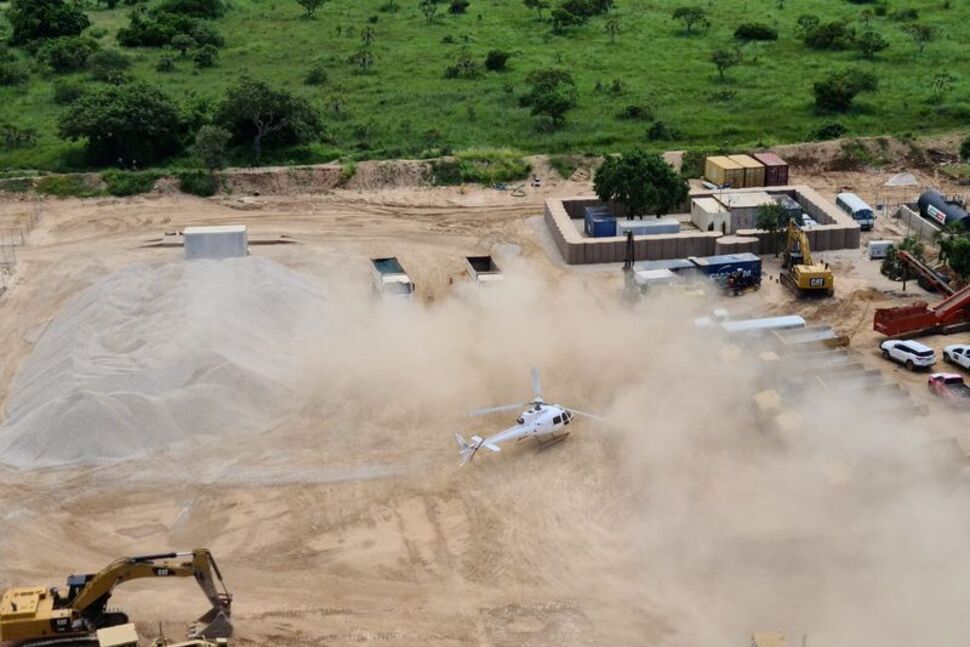
LARGEST NATURAL GAS RESERVES IN SUB-SAHARAN AFRICA
According to a Rystad Energy study published on OilPrice, gas production in sub-Saharan Africa will double in the next nine years, and Mozambique could become the largest producer.
According to the published data, gas production in this region of Africa will double from 1.3 million barrels of oil equivalent (BOEPD) last year to a total of 2.7 million BOEPD in 2030.
“As global gas demand continues to grow and importing countries suffer from supply problems, production prospects in the region are promising,” the study said, further stating that deepwater production will continue to increase in the 2030s, doubling within five years to 2.1 million BOEPD in 2035, representing 46% of the region’s expected total gas production of 4 million BOEPD.
Investment in gas production is expected to reach nearly US$40 billion by 2030, with US$24 billion going to deepwater projects.
“Natural gas production in sub-Saharan Africa has historically been low, but this is set to change due to significant undeveloped deepwater discoveries in countries such as Mozambique, South Africa, and Mauritania,” the study says, noting that Total’s Mozambique project is expected to begin production in 2028 in an area where there are reserves of 2.3 billion BOE.
According to the study, Mozambique has 52 percent of all recoverable resources in the area.
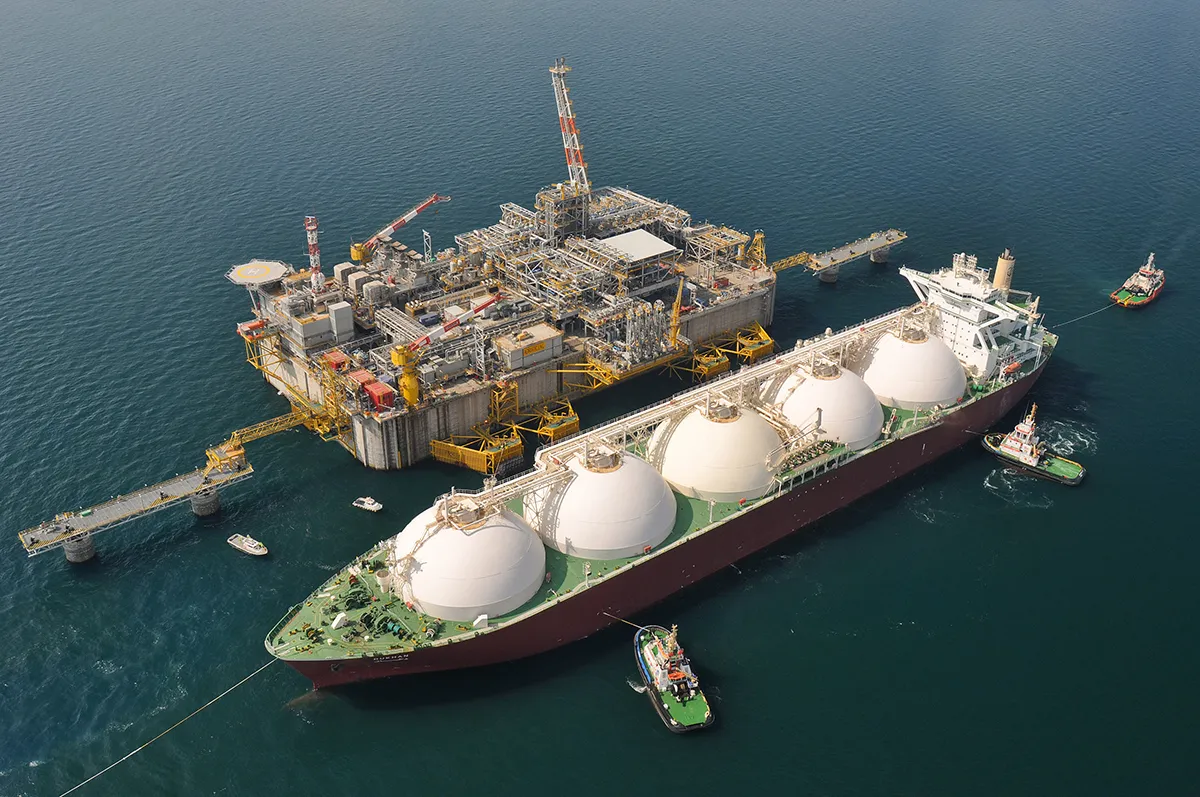
According to the study, Mozambique has ” significant ” reserves in terms of “liquid” fuel production, representing 7 percent of total funds in this region of Africa.
Production in sub-Saharan Africa is expected to reach five million barrels per day in 2035.
“About 40 percent of the recoverable deepwater resources in the region are liquids, including 33 percent in Nigeria and 31 percent in Angola,” the study added:
“Ghana and Mozambique are two other countries with significant untapped resources, accounting for 8 percent and 7 percent of deepwater liquids reserves, respectively,” the document says, warning, however, that deepwater projects in sub-Saharan Africa are “risky” because of costs, access to finance and other risks on the ground.
This article was produced by The Rio Times’ automated newsroom system. How we use AI · Report an error · Editorial responsibility: Matthias Camenzind, Editor-in-Chief