Gambia’s President Barrow Launches 360-Kilometre Road Project
Gambia · INFRASTRUCTURE
Key Facts
—Total distance: President Barrow’s administration is rolling out a road programme of roughly 365 to 375 kilometres, with local reporting describing the core launch as a 360-kilometre project.
—Funding: The push combines a US$25 million World Bank-financed feeder-road tranche and a separate US$81 million China-funded roads-and-bridges project, totalling US$106 million in verified external backing.
—State-funded component: A phase-three plan aims to add 375 kilometres of paved roads by the end of 2026 at an estimated cost of GMD 9 billion, fully funded by the Gambian government.
—World Bank tranche: The 204.7-kilometre GIRAV feeder-road component was described by Barrow as a US$25 million investment jointly financed by the World Bank and the Gambian government.
—China-funded component: The Basse Roads and Bridges project, valued at US$81 million, has connected the eastern end of the country to the national highway network.
—BRI cooperation: The Gambia and China signed a new Cooperation Plan on jointly promoting the Belt and Road Initiative on 10 February 2026.
President Adama Barrow has launched a sweeping Gambia road project that will add roughly 360 kilometres of paved roads, stitching together financing from China, the World Bank, and the Gambian state itself in a push to reshape rural connectivity before the end of 2026.
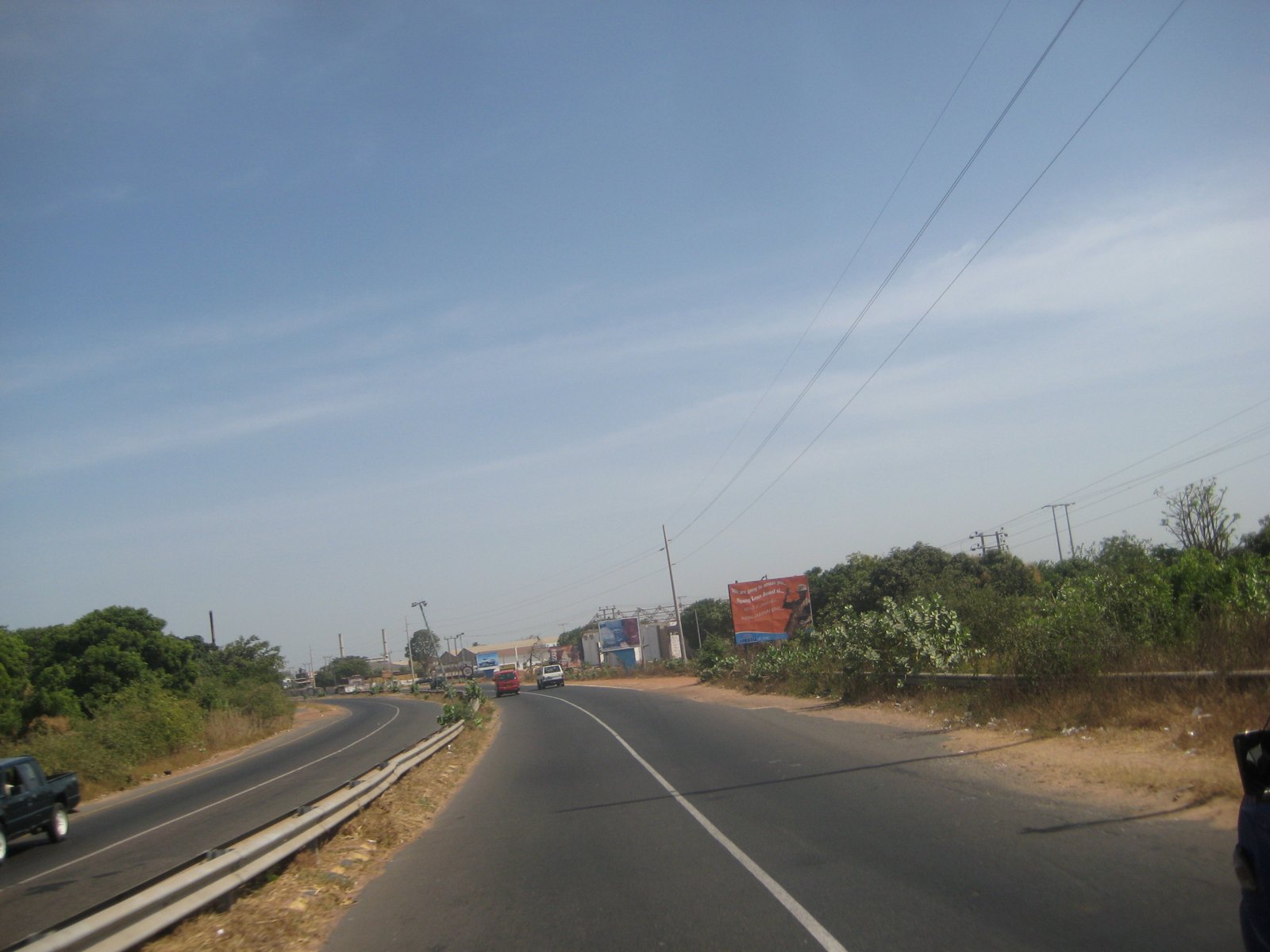
What the Gambia road project actually delivers
The programme is not a single ribbon of asphalt but a layered rollout of feeder roads, bridges, and trunk routes. Local newspaper The Point reported that the government plans to construct 365 kilometres of roads across the country.
A separate State House briefing pointed to a phase-three infrastructure plan that will add 375 kilometres of paved roads by the end of 2026 at an estimated cost of GMD 9 billion, fully funded by the Gambian government. The slight discrepancy between 365 and 375 kilometres likely reflects different project phases or accounting boundaries.
The most concrete verified ceremony was for 204.7 kilometres of feeder roads under the Gambia Inclusive and Resilient Agricultural Value Chain Development Project, known as GIRAV. Barrow described that tranche as a US$25 million investment jointly financed by the World Bank and the Gambian government.
China’s US$81 million footprint in the Gambia road project
Beijing’s role is anchored in the Basse Roads and Bridges project, also called the Ring Road project, which State House has valued at US$81 million. That initiative has already linked the Upper River Region in the country’s east to the national highway grid.
Chinese state media and Gambian officials have framed the Basse project as a Belt and Road Initiative success story. The Gambia restored diplomatic relations with China in 2016 and formally joined the BRI in September 2018.
On 10 February 2026, the two countries deepened that alignment by signing a new Cooperation Plan on jointly promoting the Belt and Road Initiative. The signing, confirmed by both the Chinese embassy in Banjul and the Gambian Ministry of Foreign Affairs, signals that road-building is only one lane of a wider strategic partnership.
The World Bank and the multilateral counterweight
While Chinese financing grabs headlines, the World Bank remains the single largest external partner in Gambian infrastructure. The US$25 million GIRAV feeder-road component is designed to improve agricultural market access in rural areas.
The Bank also sits behind the Greater Banjul Area Power Transmission and Transformation Modernisation Project, a separate energy scheme that illustrates how Chinese firms operate even inside multilateral-funded deals. Chinese contractor TBEA was selected as the designer and builder, with construction starting in December 2020.
That project was reported as 90 percent complete in 2023. The pattern is clear: Beijing provides construction speed and diplomatic visibility, while Washington-based multilaterals supply scale, co-financing, and governance conditions.
Why Barrow is betting on roads now
In a small state where most communities depend on road access for markets, healthcare, and schools, paving a road is among the most visible acts a president can perform. Barrow’s State House has framed the expansion around “innovative financing” and local-resource funding.
The GMD 9 billion phase-three plan, fully state-funded, suggests the administration wants to show it can deliver without relying solely on external lenders. That narrative carries weight in a country where debt sustainability is a persistent concern.
Road inaugurations also serve a classic incumbency function. They are locality-specific, easy to brand, and difficult for political rivals to dismiss, especially in rural constituencies that have long felt neglected by Banjul-based governments.
The Gambia as a laboratory for competitive infrastructure geopolitics
The Gambia’s location on the Atlantic coast and inside the Senegal river basin makes its roads, ports, and power lines strategically important well beyond its borders. The country has become a useful case study in how small states navigate great-power competition.
Beijing’s footprint is unusually strong by diplomatic standards. The Gambia supports the One China policy and has been praised by Chinese interlocutors for strategic alignment, while Chinese state and party media routinely present the country as a BRI success case.
Yet Western and multilateral actors remain central. The World Bank, the African Development Bank, the European Union, and Gulf development funds all maintain active portfolios, meaning The Gambia is not a purely China-dependent case. This overlapping pattern mirrors the broader dynamics covered in Africa: The New Scramble.
What to watch next
The immediate milestone is the end of 2026, by which time Barrow’s administration has pledged to complete the 375-kilometre phase-three paved-road target. Delivery against that timeline will be the simplest measure of success or failure.
Beyond the asphalt, investors and diplomats will watch whether the new BRI cooperation plan signed in February 2026 translates into fresh Chinese lending, equity investments, or contractor appointments. The power project with TBEA already shows that Chinese firms can win bids inside World Bank-financed schemes.
The deeper question is whether Barrow can keep multiple patrons happy without overusing the state. The GMD 9 billion domestic commitment suggests he is trying to build a hedge, but the real test will come when the next debt-service report lands.
Frequently Asked Questions
How many kilometres of road is President Barrow building in The Gambia?
The programme covers roughly 360 to 375 kilometres, depending on the phase, with a verified 204.7-kilometre World Bank-funded feeder-road tranche already launched.
Who is funding the Gambia road project?
Funding comes from three main sources: a US$25 million World Bank tranche, an US$81 million China-funded roads-and-bridges project, and a GMD 9 billion state-funded phase.
When will the new Gambian roads be finished?
The phase-three plan targets completion of 375 kilometres of paved roads by the end of 2026, according to State House briefings.
Connected Coverage
The Gambia’s road push fits a continent-wide pattern of competitive infrastructure financing explored in our pillar series: Africa: The New Scramble.
Sources
This article was produced by The Rio Times’ automated newsroom system. How we use AI · Report an error
LatAm Markets: Live Signals → — real-time movers, turnover leaders and FX across Latin America.
Read More from The Rio Times