IBOV 173,714.08 ▼ 0.06% IPSA 10,886.14 ▼ 0.56% IPC MEX 66,615.43 ▲ 0.39% MERVAL 3,199,934 ▲ 0.46% COLCAP 2,298.34 ▲ 0.58% BVL PERÚ 57,220.16 — — USD/BRL5.11▲ 0.19% USD/MXN17.49▼ 0.25% USD/CLP931.20▲ 0.67% USD/COP3,251▲ 0.61% USD/PEN3.39▲ 0.21% USD/ARS1,478▲ 0.17% USD/UYU40.23▲ 1.74% USD/PYG6,032▲ 1.81% USD/BOB10.65▲ 4.37% USD/DOP58.24▲ 1.37% USD/CRC446.12▲ 1.44% USD/GTQ7.62▲ 2.73% USD/HNL26.73▲ 1.94% USD/NIO36.62▲ 0.34% USD/VES730.65▼ 0.13% USD/PAB1.00— 0.00% USD/BZD2.00— 0.00% USD/JMD157.59▲ 0.87% USD/TTD6.74▲ 1.70% EUR/BRL5.84▲ 0.16% BRENT 88.10 ▲ 4.59% WTI 81.78 ▲ 3.58% IRON ORE 161.91 — — COPPER 6.27 ▼ 0.49% GOLD 4,019 ▲ 0.83% SILVER 56.33 ▲ 0.77% SOY 1,203 ▲ 0.67% CORN 467.50 ▲ 5.89% WHEAT 682.75 ▲ 1.19% COFFEE 304.70 ▼ 5.17% SUGAR 14.82 ▲ 2.63% ORANGE JUICE 139.35 ▲ 4.15% COTTON 78.93 ▲ 1.60% COCOA 5,753 ▲ 10.30% BEEF 220.70 ▼ 2.81% CATTLE 339.35 ▼ 2.09% LITHIUM 68.38 ▼ 0.70% PETR4 40.90 ▲ 2.53% VALE3 72.94 ▼ 0.05% ITUB4 41.96 ▼ 1.39% BBDC4 18.29 ▼ 0.65% ABEV3 15.63 ▲ 0.19% BBAS3 20.49 ▼ 1.30% B3SA3 15.20 ▼ 1.23% WEGE3 43.63 ▲ 0.32% PRIO3 57.85 ▲ 1.87% SUZB3 41.93 ▲ 0.55% RENT3 38.23 ▼ 1.62% AZZA3 18.59 ▲ 0.32% CSAN3 3.84 ▼ 1.03% RAIZ4 0.29 — 0.00% PCAR3 2.60 ▲ 0.39% GMAT3 3.88 ▼ 1.02% PSSA3 55.14 ▼ 0.14% CVCB3 1.22 ▼ 9.63% POSI3 3.80 ▼ 2.06% SLCE3 13.53 ▼ 0.59% NATU3 8.55 ▼ 0.12% BRKM5 6.19 ▲ 1.48% RANI3 7.95 ▼ 1.61% CSNA3 5.05 ▼ 0.98% CMIN3 5.33 ▼ 2.20% USIM5 8.23 ▲ 4.18% GGBR4 24.04 ▲ 0.54% ENEV3 25.68 ▼ 1.04% CPFE3 46.87 ▼ 0.68% CMIG4 11.12 ▲ 0.27% EQTL3 39.50 ▼ 0.88% LREN3 13.42 ▼ 1.69% VIVT3 35.52 ▲ 0.14% RAIL3 13.70 ▼ 1.65% KLABIN 17.58 ▲ 1.27% RAIA DROGASIL 18.55 ▲ 0.16% RDOR3 35.78 ▼ 0.25% HAPV3 11.38 ▲ 3.93% FLRY3 16.59 ▲ 1.04% SMTO3 15.45 ▼ 1.72% UGPA3 32.07 ▲ 0.25% VBBR3 34.92 ▲ 1.60% BBSE3 41.12 ▼ 0.15% BPAC11 56.18 ▼ 0.72% CURY3 30.67 ▼ 1.98% AERI3 2.02 — 0.00% VIVARA 22.44 ▼ 3.90% COMPASS 24.88 ▼ 0.12% VAMOS 3.17 ▲ 0.32% SANB11 26.65 ▼ 0.67% ASAI3 8.50 ▼ 0.70% SBSP3 29.22 ▼ 0.27% WALMEX 49.52 ▼ 0.08% GMEXICO 200.05 ▲ 0.41% FEMSA 225.68 ▲ 0.28% CEMEX 22.69 ▼ 0.40% GFNORTE 181.34 ▲ 0.53% BIMBO 58.00 ▲ 0.14% TELEVISA 9.57 ▲ 0.63% AMX 23.00 ▲ 0.97% GAP 386.00 ▼ 1.47% ASUR 279.71 ▼ 0.44% OMA 230.06 ▼ 1.30% KOF 181.10 ▲ 1.20% GRUMA 287.32 ▲ 0.34% KIMBER 38.67 ▼ 0.28% SQM-B 65,450 ▼ 0.91% COPEC 6,250 ▲ 2.02% BSANTANDER 77.00 ▼ 1.48% FALABELLA 5,835 ▼ 0.31% ENELAM 84.04 ▼ 0.90% CENCOSUD 1,995 ▼ 0.50% CMPC 1,070 ▼ 0.37% BANCO CHILE 188.50 ▼ 0.20% LATAM AIR 24.76 ▼ 2.52% YPF 77,900 ▲ 2.40% GGAL 7,860 ▼ 0.06% PAMPA 5,170 ▲ 1.17% TXAR 665.00 ▲ 0.45% ALUAR 949.50 ▲ 1.01% TGS 9,370 ▼ 0.16% CEPU 2,264 ▲ 0.18% MIRGOR 16,875 ▲ 0.75% COME 43.84 ▼ 1.39% LOMA NEGRA 3,535 ▼ 0.63% BYMA 299.00 ▼ 0.83% TELECOM ARG 4,150 ▼ 0.72% ECOPETROL 16.09 ▲ 1.84% BANCOLOMBIA 80.41 ▲ 1.18% GRUPO AVAL 4.92 ▼ 1.01% CREDICORP 390.70 ▲ 0.84% SOUTHERN COPPER 172.48 ▼ 1.81% BUENAVENTURA 30.24 ▲ 0.23% MERCADOLIBRE 1,814 ▼ 2.34% NUBANK 13.59 ▼ 1.45% XP 16.67 ▼ 0.06% PAGSEGURO 9.04 ▼ 1.20% STONE 11.15 ▼ 0.45% GLOBANT 32.23 ▲ 0.09% TECNOGLASS 46.48 ▼ 0.75% GAP AIRPORT 220.91 ▼ 1.94% ASUR 279.71 ▼ 0.44% OMA AIRPORT 105.31 ▼ 1.77% AMX ADR 26.27 ▲ 0.50% FEMSA ADR 129.02 ▼ 0.36% CEMEX ADR 12.98 ▼ 0.92% PETROBRAS ADR 17.97 ▲ 2.86% VALE ADR 14.19 ▼ 0.21% ITAU ADR 8.21 ▼ 1.14% SANTANDER BR 5.24 ▼ 1.04% AMBEV ADR 3.03 ▼ 0.66% CSN 0.99 ▼ 0.89% GERDAU 4.73 ▲ 0.11% LATAM ADR 52.56 ▼ 1.17% BTC 64,733 ▲ 1.30% ETH 1,860 ▲ 1.02% SOL 75.59 ▲ 0.77% XRP 1.09 ▲ 0.48% BNB 570.69 ▲ 0.52% ADA 0.17 ▲ 0.15% DOGE 0.07 — 0.00% AVAX 6.58 ▲ 0.00% LINK 8.35 ▲ 1.08% DOT 0.83 ▼ 1.75% LTC 46.96 ▲ 4.02% BCH 219.60 ▼ 0.06% TRX 0.33 ▲ 1.05% XLM 0.19 ▲ 0.77% HBAR 0.07 ▲ 2.17% NEAR 1.93 ▼ 0.03% ATOM 1.50 ▼ 0.36% AAVE 90.14 ▲ 0.21% SELIC 14.25% EMBRAER 81.75 ▼ 0.02% EMBRAER ADR 64.09 ▼ 0.44% JBS 11.91 ▼ 1.00% JBS BDR 60.20 ▼ 2.11% MBRF3 15.03 ▼ 1.70% MBRFY 2.90 ▼ 1.02% INTER 5.37 ▼ 3.07% EGX 52,928 ▲ 0.70% USD/ZAR16.44▼ 0.27% USD/NGN1,378▼ 0.20% NIKKEI 64,141 ▼ 4.03% CSI300 4,529 ▼ 3.60% HSI 24,562 ▼ 1.78% NIFTY 24,334 ▲ 1.09% KOSPI 6,821 ▼ 6.37% JCI 6,176 ▲ 1.10% USD/JPY162.35▼ 0.03% USD/CNY6.77▼ 0.12% DAX 24,831 ▼ 0.34% CAC 8,339 ▼ 0.47% FTSE 10,600 ▲ 0.27% MIB 51,882 ▼ 0.94% IBEX 19,217 ▼ 0.45% STOXX 641.53 ▼ 0.34% EUR/USD1.14▲ 0.04% GBP/USD1.35▼ 0.20% SPX 7,458 ▼ 1.01% DJI 52,146 ▼ 0.77% NDX 28,593 ▼ 1.49% RUT 2,962 ▼ 0.42% TSX 35,264 ▼ 0.22% VIX 18.77 ▲ 12.19% USD/CAD1.40— 0.00% US10Y 4.5410 ▼ 0.61% IBOV 173,714.08 ▼ 0.06% IPSA 10,886.14 ▼ 0.56% IPC MEX 66,615.43 ▲ 0.39% MERVAL 3,199,934 ▲ 0.46% COLCAP 2,298.34 ▲ 0.58% BVL PERÚ 57,220.16 — — USD/BRL 5.11 ▲ 0.19% USD/MXN 17.49 ▼ 0.25% USD/CLP 931.20 ▲ 0.67% USD/COP 3,251 ▲ 0.61% USD/PEN 3.39 ▲ 0.21% USD/ARS 1,478 ▲ 0.17% USD/UYU 40.23 ▲ 1.74% USD/PYG 6,032 ▲ 1.81% USD/BOB 10.65 ▲ 4.37% USD/DOP 58.24 ▲ 1.37% USD/CRC 446.12 ▲ 1.44% USD/GTQ 7.62 ▲ 2.73% USD/HNL 26.73 ▲ 1.94% USD/NIO 36.62 ▲ 0.34% USD/VES 730.65 ▼ 0.13% USD/PAB 1.00 — 0.00% USD/BZD 2.00 — 0.00% USD/JMD 157.59 ▲ 0.36% USD/TTD 6.74 ▲ 1.17% EUR/BRL 5.84 ▲ 0.16% BRENT 88.10 ▲ 4.59% WTI 81.78 ▲ 3.58% IRON ORE 161.91 — — COPPER 6.27 ▼ 0.49% GOLD 4,019 ▲ 0.83% SILVER 56.33 ▲ 0.77% SOY 1,203 ▲ 0.67% CORN 467.50 ▲ 5.89% WHEAT 682.75 ▲ 1.19% COFFEE 304.70 ▼ 5.17% SUGAR 14.82 ▲ 2.63% ORANGE JUICE 139.35 ▲ 4.15% COTTON 78.93 ▲ 1.60% COCOA 5,753 ▲ 10.30% BEEF 220.70 ▼ 2.81% CATTLE 339.35 ▼ 2.09% LITHIUM 68.38 ▼ 0.70% PETR4 40.90 ▲ 2.53% VALE3 72.94 ▼ 0.05% ITUB4 41.96 ▼ 1.39% BBDC4 18.29 ▼ 0.65% ABEV3 15.63 ▲ 0.19% BBAS3 20.49 ▼ 1.30% B3SA3 15.20 ▼ 1.23% WEGE3 43.63 ▲ 0.32% PRIO3 57.85 ▲ 1.87% SUZB3 41.93 ▲ 0.55% RENT3 38.23 ▼ 1.62% AZZA3 18.59 ▲ 0.32% CSAN3 3.84 ▼ 1.03% RAIZ4 0.29 — 0.00% PCAR3 2.60 ▲ 0.39% GMAT3 3.88 ▼ 1.02% PSSA3 55.14 ▼ 0.14% CVCB3 1.22 ▼ 9.63% POSI3 3.80 ▼ 2.06% SLCE3 13.53 ▼ 0.59% NATU3 8.55 ▼ 0.12% BRKM5 6.19 ▲ 1.48% RANI3 7.95 ▼ 1.61% CSNA3 5.05 ▼ 0.98% CMIN3 5.33 ▼ 2.20% USIM5 8.23 ▲ 4.18% GGBR4 24.04 ▲ 0.54% ENEV3 25.68 ▼ 1.04% CPFE3 46.87 ▼ 0.68% CMIG4 11.12 ▲ 0.27% EQTL3 39.50 ▼ 0.88% LREN3 13.42 ▼ 1.69% VIVT3 35.52 ▲ 0.14% RAIL3 13.70 ▼ 1.65% KLABIN 17.58 ▲ 1.27% RAIA DROGASIL 18.55 ▲ 0.16% RDOR3 35.78 ▼ 0.25% HAPV3 11.38 ▲ 3.93% FLRY3 16.59 ▲ 1.04% SMTO3 15.45 ▼ 1.72% UGPA3 32.07 ▲ 0.25% VBBR3 34.92 ▲ 1.60% BBSE3 41.12 ▼ 0.15% BPAC11 56.18 ▼ 0.72% CURY3 30.67 ▼ 1.98% AERI3 2.02 — 0.00% VIVARA 22.44 ▼ 3.90% COMPASS 24.88 ▼ 0.12% VAMOS 3.17 ▲ 0.32% SANB11 26.65 ▼ 0.67% ASAI3 8.50 ▼ 0.70% SBSP3 29.22 ▼ 0.27% WALMEX 49.52 ▼ 0.08% GMEXICO 200.05 ▲ 0.41% FEMSA 225.68 ▲ 0.28% CEMEX 22.69 ▼ 0.40% GFNORTE 181.34 ▲ 0.53% BIMBO 58.00 ▲ 0.14% TELEVISA 9.57 ▲ 0.63% AMX 23.00 ▲ 0.97% GAP 386.00 ▼ 1.47% ASUR 279.71 ▼ 0.44% OMA 230.06 ▼ 1.30% KOF 181.10 ▲ 1.20% GRUMA 287.32 ▲ 0.34% KIMBER 38.67 ▼ 0.28% SQM-B 65,450 ▼ 0.91% COPEC 6,250 ▲ 2.02% BSANTANDER 77.00 ▼ 1.48% FALABELLA 5,835 ▼ 0.31% ENELAM 84.04 ▼ 0.90% CENCOSUD 1,995 ▼ 0.50% CMPC 1,070 ▼ 0.37% BANCO CHILE 188.50 ▼ 0.20% LATAM AIR 24.76 ▼ 2.52% YPF 77,900 ▲ 2.40% GGAL 7,860 ▼ 0.06% PAMPA 5,170 ▲ 1.17% TXAR 665.00 ▲ 0.45% ALUAR 949.50 ▲ 1.01% TGS 9,370 ▼ 0.16% CEPU 2,264 ▲ 0.18% MIRGOR 16,875 ▲ 0.75% COME 43.84 ▼ 1.39% LOMA NEGRA 3,535 ▼ 0.63% BYMA 299.00 ▼ 0.83% TELECOM ARG 4,150 ▼ 0.72% ECOPETROL 16.09 ▲ 1.84% BANCOLOMBIA 80.41 ▲ 1.18% GRUPO AVAL 4.92 ▼ 1.01% CREDICORP 390.70 ▲ 0.84% SOUTHERN COPPER 172.48 ▼ 1.81% BUENAVENTURA 30.24 ▲ 0.23% MERCADOLIBRE 1,814 ▼ 2.34% NUBANK 13.59 ▼ 1.45% XP 16.67 ▼ 0.06% PAGSEGURO 9.04 ▼ 1.20% STONE 11.15 ▼ 0.45% GLOBANT 32.23 ▲ 0.09% TECNOGLASS 46.48 ▼ 0.75% GAP AIRPORT 220.91 ▼ 1.94% ASUR 279.71 ▼ 0.44% OMA AIRPORT 105.31 ▼ 1.77% AMX ADR 26.27 ▲ 0.50% FEMSA ADR 129.02 ▼ 0.36% CEMEX ADR 12.98 ▼ 0.92% PETROBRAS ADR 17.97 ▲ 2.86% VALE ADR 14.19 ▼ 0.21% ITAU ADR 8.21 ▼ 1.14% SANTANDER BR 5.24 ▼ 1.04% AMBEV ADR 3.03 ▼ 0.66% CSN 0.99 ▼ 0.89% GERDAU 4.73 ▲ 0.11% LATAM ADR 52.56 ▼ 1.17% BTC 64,733 ▲ 1.30% ETH 1,860 ▲ 1.02% SOL 75.59 ▲ 0.77% XRP 1.09 ▲ 0.48% BNB 570.69 ▲ 0.52% ADA 0.17 ▲ 0.15% DOGE 0.07 — 0.00% AVAX 6.58 ▲ 0.00% LINK 8.35 ▲ 1.08% DOT 0.83 ▼ 1.75% LTC 46.96 ▲ 4.02% BCH 219.60 ▼ 0.06% TRX 0.33 ▲ 1.05% XLM 0.19 ▲ 0.77% HBAR 0.07 ▲ 2.17% NEAR 1.93 ▼ 0.03% ATOM 1.50 ▼ 0.36% AAVE 90.14 ▲ 0.21% SELIC 14.25% EMBRAER 81.75 ▼ 0.02% EMBRAER ADR 64.09 ▼ 0.44% JBS 11.91 ▼ 1.00% JBS BDR 60.20 ▼ 2.11% MBRF3 15.03 ▼ 1.70% MBRFY 2.90 ▼ 1.02% INTER 5.37 ▼ 3.07% EGX 52,928 ▲ 0.70% USD/ZAR 16.44 ▲ 0.35% USD/NGN 1,378 ▲ 0.02% NIKKEI 64,141 ▼ 4.03% CSI300 4,529 ▼ 3.60% HSI 24,562 ▼ 1.78% NIFTY 24,334 ▲ 1.09% KOSPI 6,821 ▼ 6.37% JCI 6,176 ▲ 1.10% USD/JPY 162.35 ▲ 0.01% USD/CNY 6.7677 ▲ 0.07% DAX 24,831 ▼ 0.34% CAC 8,339 ▼ 0.47% FTSE 10,600 ▲ 0.27% MIB 51,882 ▼ 0.94% IBEX 19,217 ▼ 0.45% STOXX 641.53 ▼ 0.34% EUR/USD 1.1446 ▲ 0.02% GBP/USD 1.3452 ▼ 0.21% SPX 7,458 ▼ 1.01% DJI 52,146 ▼ 0.77% NDX 28,593 ▼ 1.49% RUT 2,962 ▼ 0.42% TSX 35,264 ▼ 0.22% VIX 18.77 ▲ 12.19% USD/CAD 1.4020 ▼ 0.14% US10Y 4.5410 ▼ 0.61%
since 2009
Sunday, July 19, 2026

Five centuries-old farming systems still in use around the world

By · November 7, 2022 · 5 min read

Daily Brief

The morning intel from across Latin America. Free.

By subscribing you agree to our privacy policy. We never share your email.

In Farming 4.0, new technological solutions seem to be the future for food production worldwide.

But the FAO (Food and Agriculture Organization of the United Nations) also recognizes that systems dating back as far as 7,000 years have significant importance as both global heritage and local livelihoods.

The FAO recognizes these different types of agriculture as GIAHS (Globally Important Agricultural Heritage Systems).

The rice-fish production system is based on the symbiosis between crop cultivation and fish farming.
The rice-fish production system is based on the symbiosis between crop cultivation and fish farming. (Photo: internet reproduction)
One-stop reference
Company Intelligence
Every listed company in Latin America — financials, ownership and structure for 1,450+ companies across 26 exchanges, in one place.
Browse the directory →
RT
Ask Rio Times
17 years of Latin America reporting, on demand.
Open the full Ask Rio Times →

As the organization’s website presentation points out, the concept is more distinct and complex than an area or land protected as a heritage site, such as the pyramids in Egypt.

“GIAHS is a living, evolution-based system of human communities in an intricate relationship with their territory, cultural or agricultural landscape, or broader biophysical and social environment,” it explains.

For selecting and recognizing these systems, FAO considers about 20 criteria, such as agrobiodiversity, sustainability, conscious use of water, and economic and historical importance for the local population.

The concept celebrated 20 years of creation in the last week of October. There are 67 systems in 22 countries recognized as historic agricultural heritage sites.

Here are five of these farming systems that are more than 400 years old, with the particularity that the crops depend on some support:
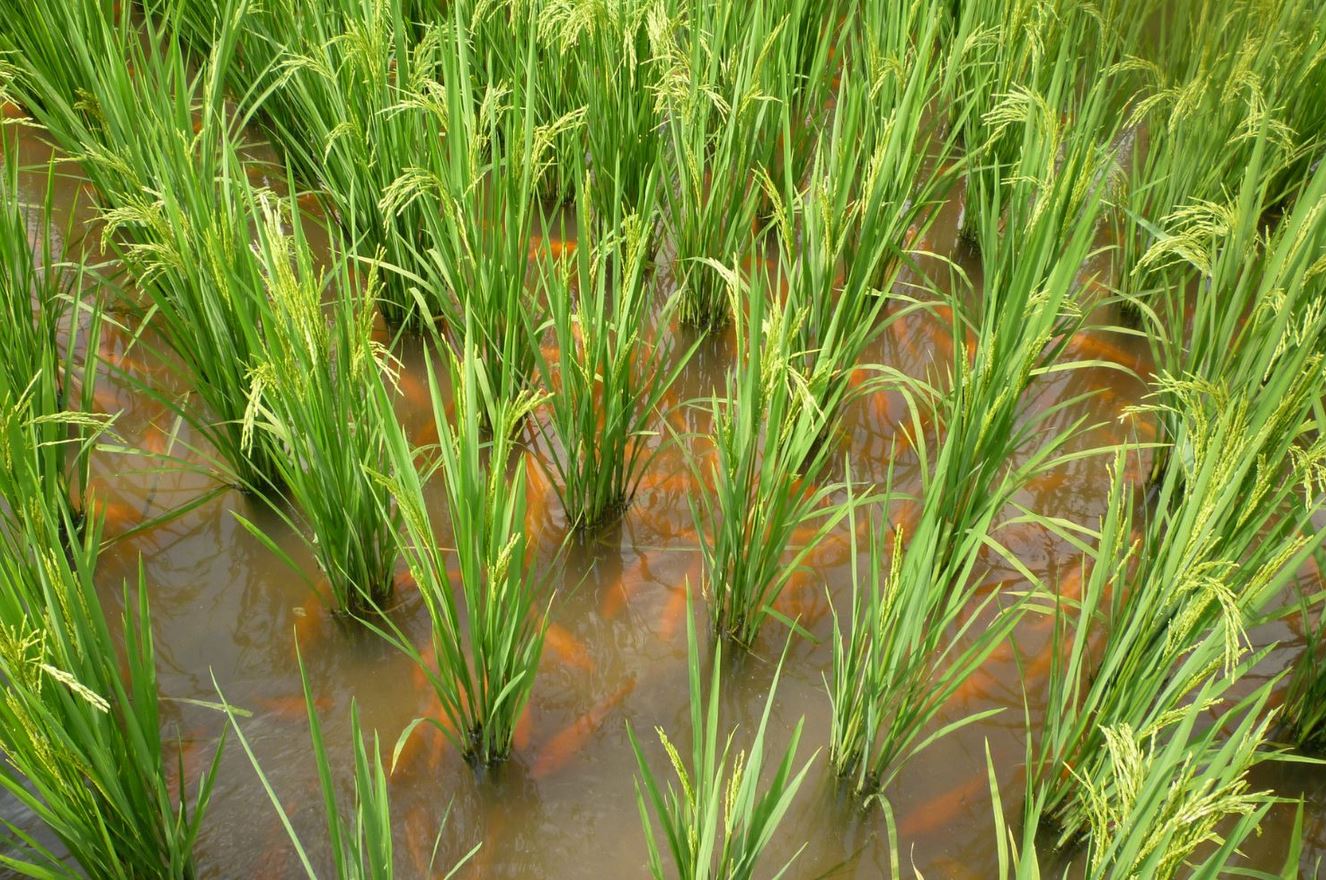
The village of Longxian is one of the most recognized regions in China for this type of production.
The village of Longxian is one of the most recognized regions in China for this type of production. (Photo: internet reproduction)

RICE-FISH CULTURE

Established in China during the Han dynasty (between 206 BC and the year 220), the RFC (rice-fish production system) is based on the symbiosis theory between crop cultivation and fish farming.

Both benefit from being in the same aquatic ecosystem in different ways. While the fish droppings help fertilize the rice and regulate micro-climatic conditions, the rice, a grass, provides shade and food for the fish through larvae and algae formed in the water.

The union of the two productions also lowers production costs, reducing expenses with fertilizers and herbicides against algae accumulation.

According to FAO, the village of Longxian is one of the most recognized regions in China for this type of production. In its area of 461 hectares, about 50 hectares are devoted to RFC.

Although it appears on a small scale in this village, the technique is used on about 1.5 million hectares throughout the country, according to the Chinese Ministry of Agriculture.
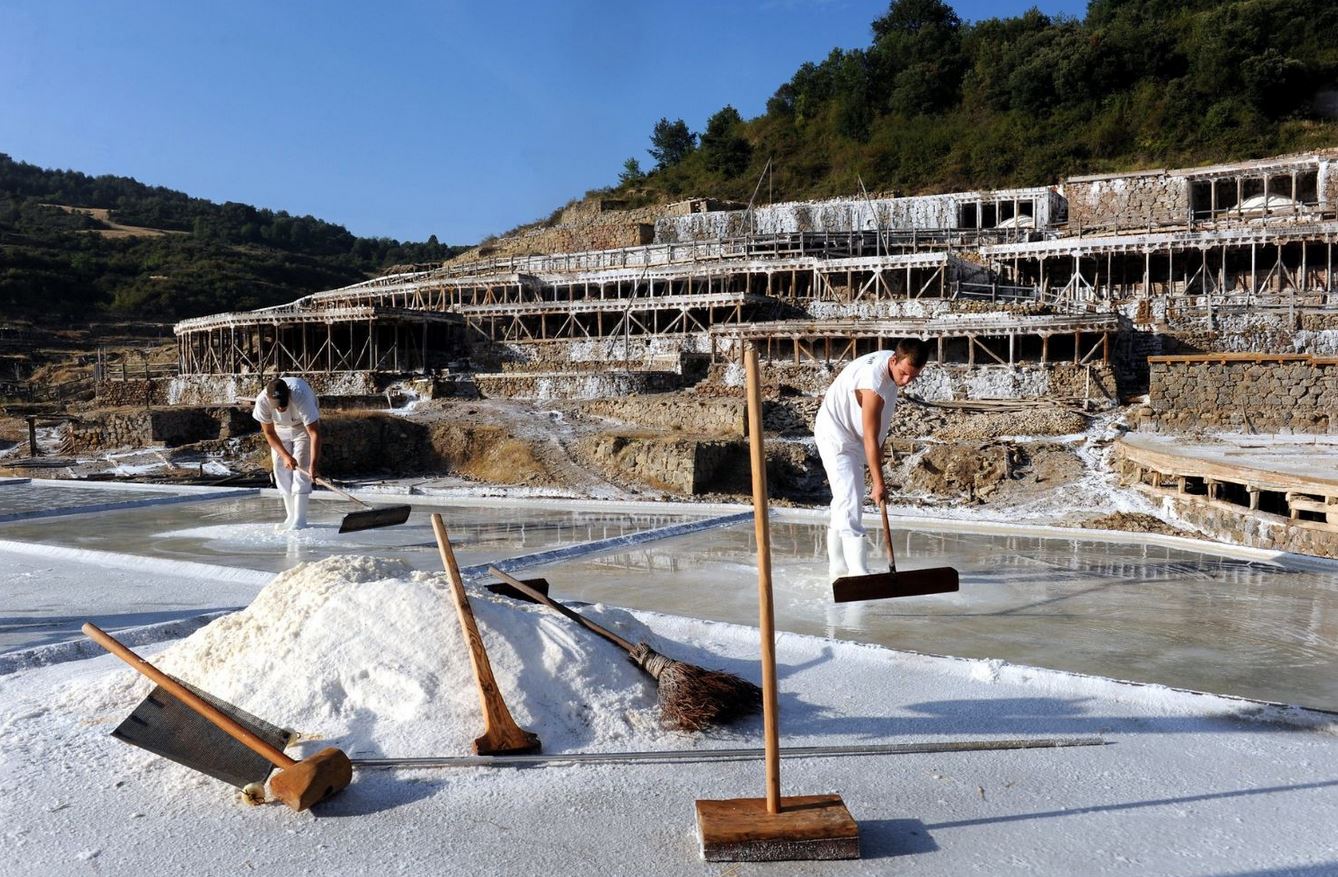
With the money received from the production and sale of salt, the Añana farmers can produce their food in an agroforestry model.
With the money received from the production and sale of salt, the Añana farmers can produce their food in an agroforestry model. (Photo: internet reproduction)

VALLE SALADO IN AGROFORESTRY

In Añana, a region of the Basque country in northern Spain, an agricultural model for extracting salt began to be developed about 7,000 years ago.

The Salado Valley, where production occurs, was established in an area with two small freshwater rivers and a “diapir”, a geological phenomenon that occurs in rock material and establishes a natural salt deposit.

The junction of the two characteristics makes the valley have different saltwater springs, from which the producers extract the water to perform its evaporation in a salt pan.

With the money received from the production and sale of salt, the Añana farmers can produce their food in an agroforestry model.

They produce herbaceous crops (cereals, rapeseed, potatoes, beets, and others) that are not affected by the salinity of the soil.

The FAO estimates that 9,000 people benefit from the system.
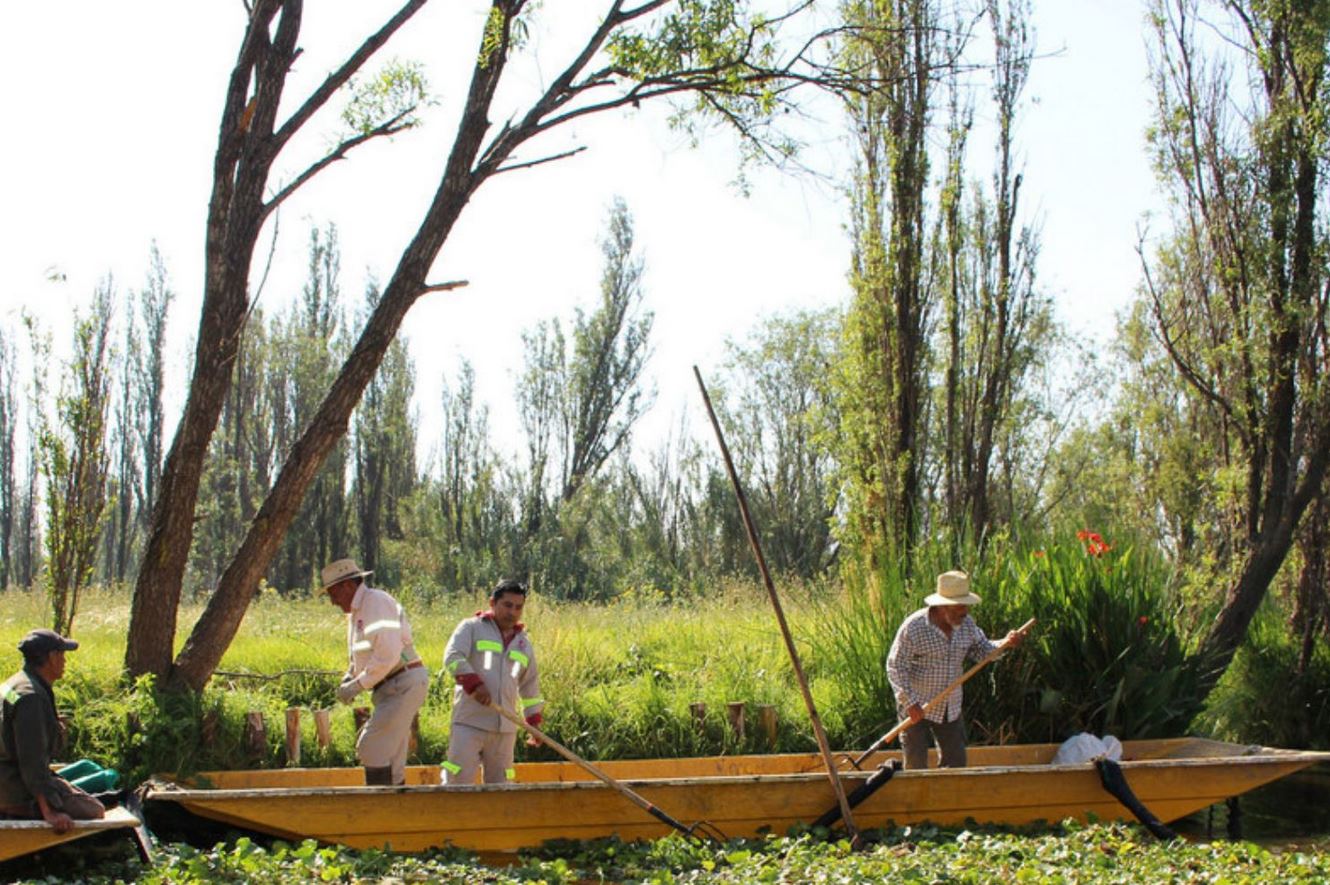
The Chinampas method of agriculture is based on the construction of floating beds in lakes.
The Chinampas method of agriculture is based on the construction of floating beds in lakes. (Photo: internet reproduction)

CHINAMPAS AND ITS WILLOWS

Created by the Aztec civilization between 1300 and the mid-1520s, the Chinampas method of agriculture is based on the construction of floating beds in lakes.

With high yields of five crops per year, the woven wooden structures accumulate mud and remain together thanks to the planting of “ahuejotes”, a native willow tree whose roots bring greater stability to the floating bed.

Local farmers can produce 51 species in the chinampas, including forage, medicinal, and food crops.

In Mexico, where the tradition of agriculture is still maintained, corn, cilantro, pumpkin, spinach, chard, lettuce, parsley, mint, scallions, cauliflower, celery, rosemary, and radishes are grown.

Currently, 2,200 hectares of chinampas are in operation in five rural villages in Mexico, benefiting some 225,000 inhabitants.
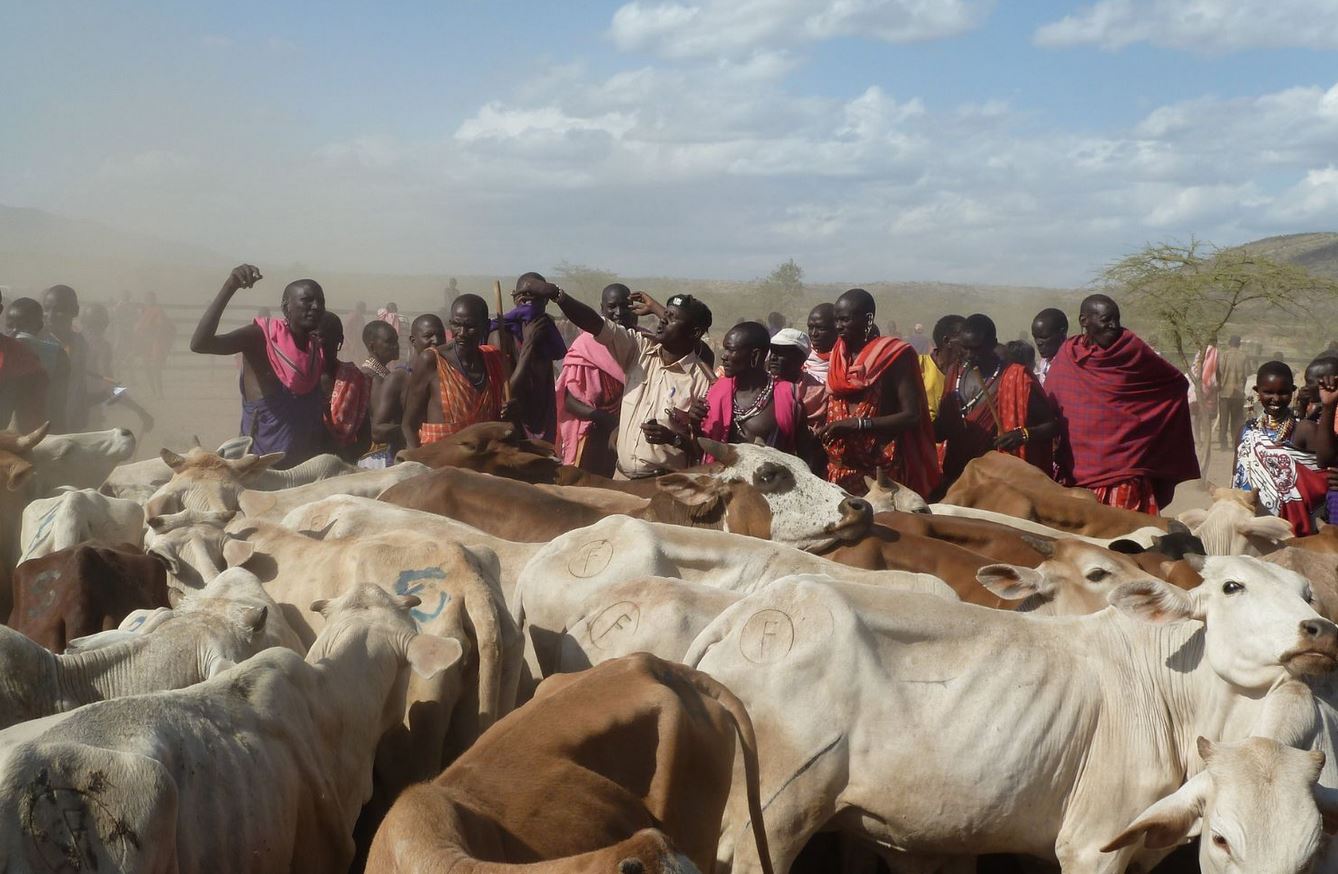
The Maasai avoid used areas, keep their distance from other groups, and avoid newly occupied areas.
The Maasai avoid used areas, keep their distance from other groups, and avoid newly occupied areas. (Photo: internet reproduction)

MAASAI, A DIFFERENT KIND OF FARMING

In the mid-17th century, the semi-nomadic Maasai people settled in Kenya, an African country marked by its aridity, and developed their own farming system.

Animals such as cattle, buffalo, goats, and sheep are raised together with the cultivation of endemic corn and beans.

For this, the members of the Maasai community share different tasks, such as research into possible grazing areas, animal movements, and water management.

In addition, they also explore forests to find fruits, seeds, honey, and medicinal plants for their own consumption, while they do not yet have a crop of corn or beans.

According to the FAO, the Maasai people have already tried to change their strategy by selling their animals, but the self-sufficient circle is still important for their food security.

The Maasai use three informal rules for production: they avoid used areas, keep their distance from other groups, and avoid newly occupied areas.

They also only move their animals when they have ensured that water and fodder are available in the next area they move to.

The total area recognized by the entity is 93,100 hectares, with a population of 5,539 people.
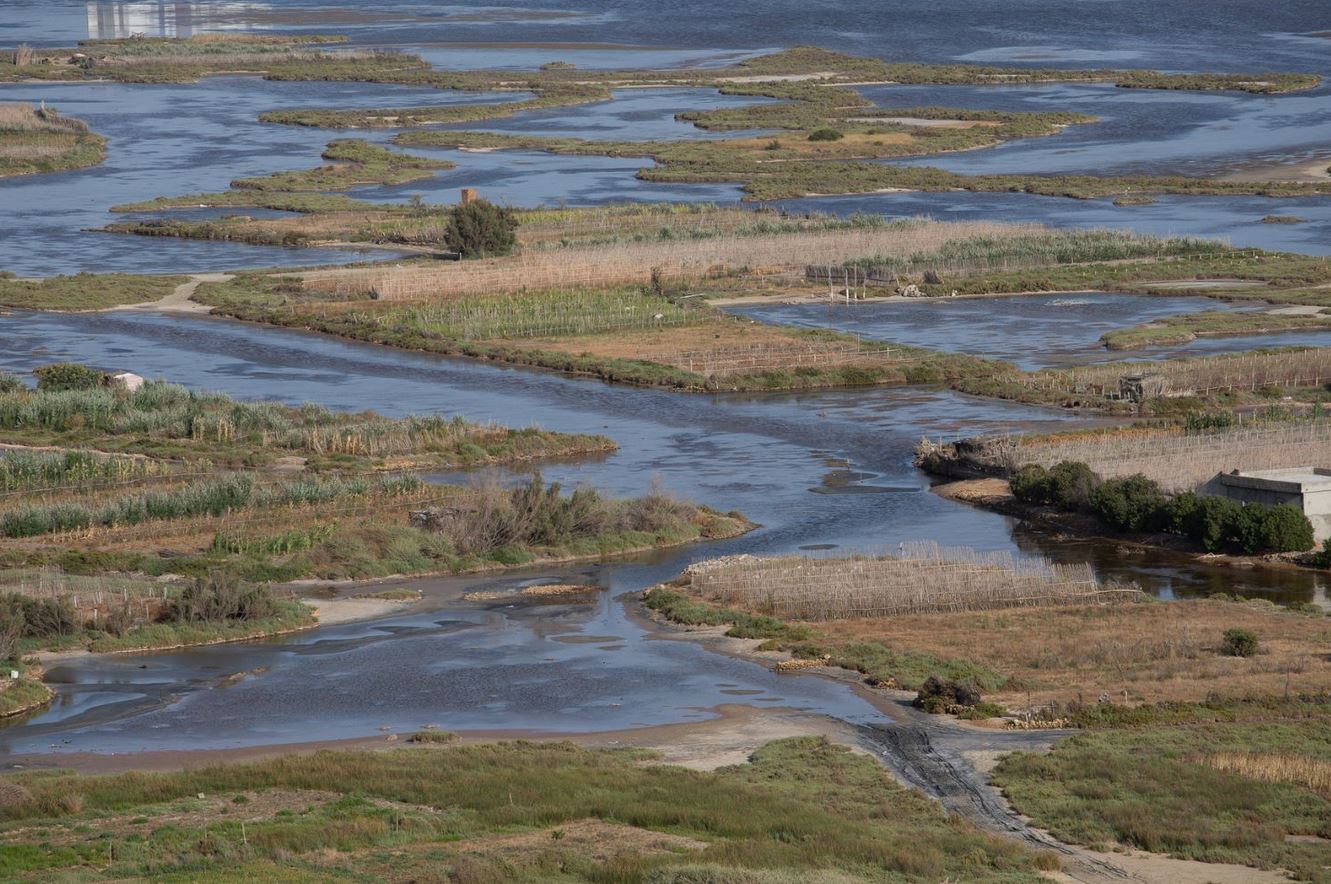
The farmers create an arable area in the ponds using organic material to enrich the sandy soil.
The farmers create an arable area in the ponds using organic material to enrich the sandy soil. (Photo: internet reproduction)

RAMLI MASTERS SAND FOR PLANTING

The Ramli method, translated as “in the sand”, was created in Tunisia in the mid-17th century by a group of immigrants who left the Andalusia region of Spain, fleeing ethnic and religious conflicts.

The group found a region in the North African country devoid of agricultural land and developed a technique to produce food on the banks of ponds.

The farmers create an arable area in the ponds using organic material to enrich the sandy soil.

This material is deposited so that it reaches a specific height where the roots of the food produced are irrigated by a thin layer of naturally filtered water without salt.

Potatoes are the main food produced using the Rami method, but the region also produces onions, garlic, melons, and zucchini.

With information from Forbes

Read More from The Rio Times

The Rio Times · Power Map
See who really holds power in Latin America
Click to open the Power Map

Rotate for Best Experience

This report is optimized for landscape viewing. Rotate your phone for the full experience.