FIFA Will Pay Clubs at Least $5,000 a Day per World Cup Player
World Cup 2026 · Business of Football
Key Facts
—The payment. FIFA will pay clubs a minimum of $5,000 a day for each player released to the 2026 World Cup, with final figures set after the tournament.
—The fund. The total Club Benefits Programme has risen to a record $355m, up nearly 70% from the $209m paid after Qatar 2022.
—The split. Of that, $250m is reserved for clubs whose players appear at the finals; for the first time, clubs are also paid for releasing players for qualifiers.
—The window. Payment covers roughly 10 days before the opening match until each player’s nation is eliminated, counted in “player-days.”
—The Latin stake. Brazilian, Argentine and Mexican clubs that supply large numbers of players stand to capture a meaningful share of the pool.
Behind the spectacle of the World Cup runs a quieter financial machine — and this year it will channel a record sum to the clubs, including many across Latin America, that develop and release the players.
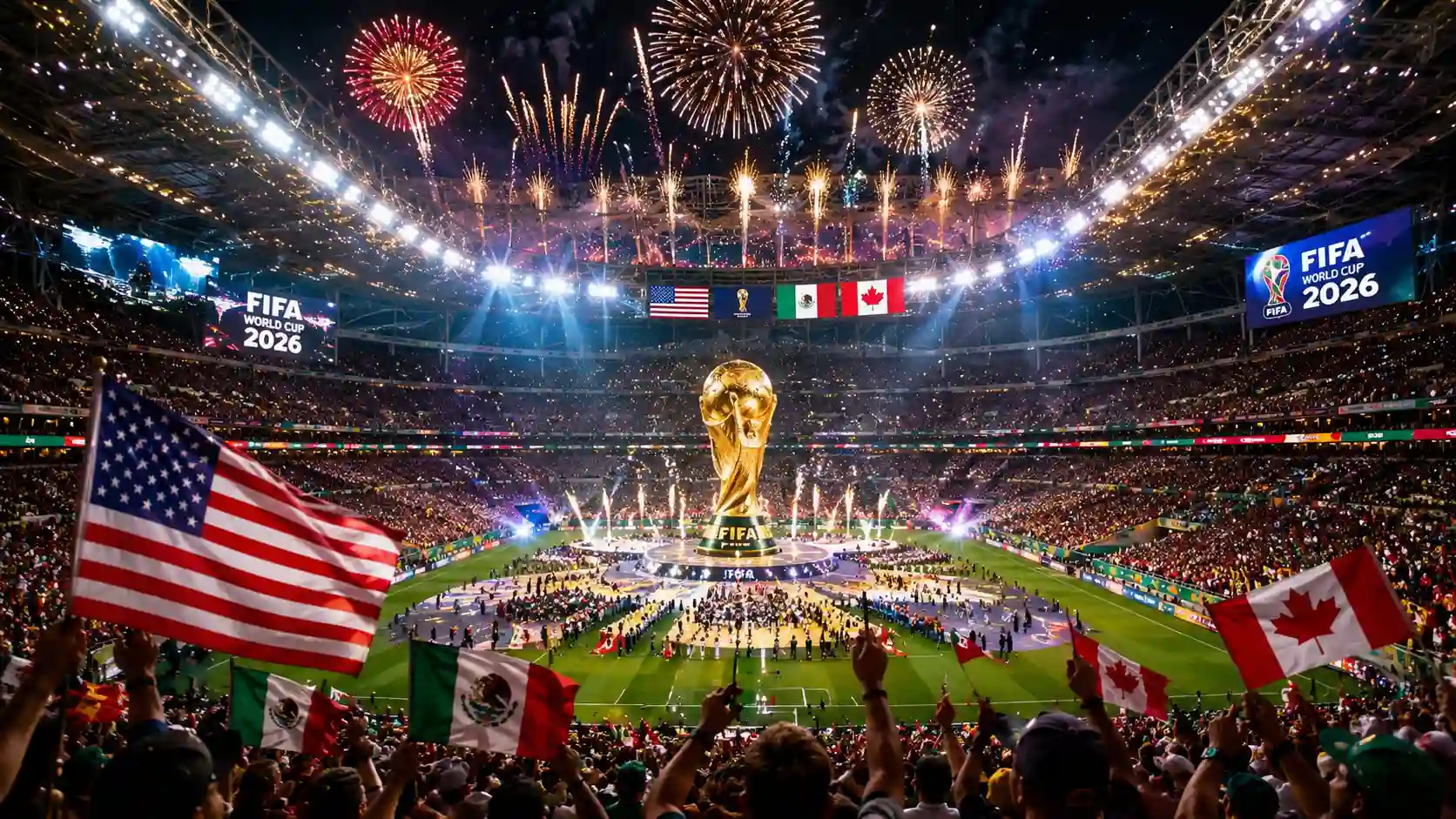
What FIFA will pay per World Cup player
FIFA has confirmed that it will pay clubs a minimum of $5,000 per day for each player they release to the 2026 World Cup, though it cautioned that the final figures will only be settled after the tournament ends. The daily rate is the visible tip of a much larger mechanism known as the Club Benefits Programme, through which football’s governing body compensates clubs for surrendering their players to national-team duty.
For the 2026 cycle the total pot has climbed to a record $355m, a jump of almost 70% from the $209m distributed after the 2022 World Cup in Qatar.
The structure rewards participation over the whole period a player is away from his club. Payment runs from roughly ten days before the opening match until the player’s nation is knocked out, calculated in “player-days”: the total fund is divided by the aggregate number of days all participating players spend on international duty, producing a standardised daily value that is then multiplied by each player’s release period.
Of the $355m, around $250m is earmarked specifically for clubs whose players feature at the finals.
A bigger tournament, a bigger pot
The record sum reflects a far larger event. The 2026 World Cup, co-hosted by the United States, Canada and Mexico, expands the field from 32 teams to 48, lifts the number of matches from 64 to 104, and stretches the competition across 39 days, against 29 in Qatar.
FIFA, which does not publish full revenue figures for the tournament, estimates its total income this year will be 56% higher than in 2022. With more teams, more matches and a longer schedule, the volume of player-days — and therefore the money owed to clubs — rises accordingly.
The most significant structural change is that, for the first time, clubs will be compensated for releasing players who appeared in World Cup qualifiers, not only those who reach the finals. Agreed with the European Club Association, the reform means clubs whose players helped a nation through qualifying will receive a share even if that nation failed to reach North America, or if the player is left out of the final squad.
FIFA president Gianni Infantino framed it as recognising the contribution clubs make “from early development through to release for the most important games.”
Why it matters for Latin America
For Latin American football, the programme is more than an accounting footnote. The region’s clubs are prolific suppliers of World Cup talent — both directly, through the players still based in domestic leagues in Brazil, Argentina and Mexico, and indirectly, through the youth systems that developed stars now playing in Europe.
While the largest single payouts in 2022 went to European giants such as Manchester City, the broadened 2026 scheme, by paying for qualifiers as well as the finals, spreads money more widely to the smaller and non-European clubs that release players. For a Brazilian or Argentine side that sends several players to the tournament, the cumulative daily payments can amount to a useful injection of hard currency.
The figures will not be confirmed until the tournament is over and the final tally of player-days is known, so the $5,000 daily minimum is a floor rather than a forecast. But the direction is clear: as the World Cup grows into the most lucrative sporting event ever staged, FIFA is channelling a rising share of that windfall back to the clubs that make it possible — and, for once, the net is cast wider than Europe’s elite.
Frequently Asked Questions
How much will FIFA pay clubs per player?
A minimum of $5,000 per day for each player released to the 2026 World Cup, with final figures confirmed after the tournament based on total player-days.
How big is the total fund?
A record $355m, up nearly 70% from the $209m paid after Qatar 2022, of which about $250m is reserved for clubs with players at the finals.
What changed for 2026?
For the first time, clubs are compensated for releasing players for qualifiers, not just the finals, spreading money to clubs whose nations did not reach the tournament.
Why does it matter for Latin America?
Latin American clubs supply many World Cup players, and the broader scheme directs a wider share of the record pool to non-European clubs.
Connected Coverage
For more on the tournament economy, see the $17 billion in lost work time and our World Cup 2026 hub.
This article was produced by The Rio Times’ automated newsroom system. How we use AI · Report an error · Editorial responsibility: Matthias Camenzind, Editor-in-Chief