Fed Hike Odds Hit 47.5% After US Inflation
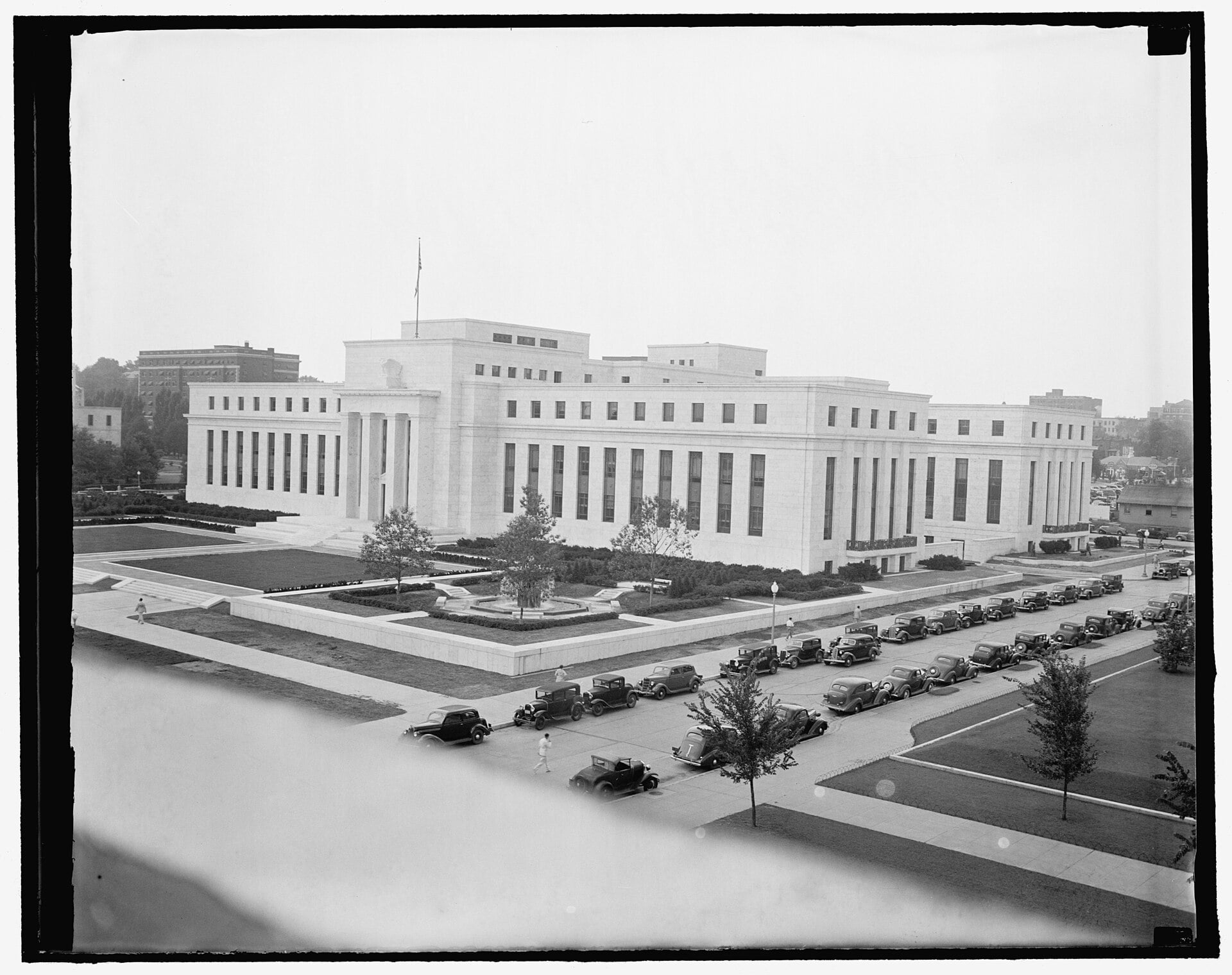
UNITED STATES · FEDERAL RESERVE · PREDICTION MARKETS
Key Facts
- —Prediction markets Polymarket prices a 25-basis-point Fed rate increase in October at 47.5%, up 29 points in 24 hours from about 18%; Kalshi, regulated in the US by the CFTC, prices a rate above 4.00% at about 50% (14 October, 9:31 a.m. ET).
- —Trigger The Bureau of Labor Statistics reported on 14 October that US consumer prices rose 0.6% in September and 3.7% over 12 months, with gasoline up 9.1% in the month.
- —Where rates stand The Federal Reserve raised its target range by a quarter of a point to 3.75%–4.00% on 16 September.
- —What counts next The Federal Open Market Committee meets on 27–28 October; the Fed publishes its decision on 28 October.
- —Volume Polymarket traded about US$4.2 million on this question in the past 24 hours and US$38.1 million in total; Kalshi has traded about 218,000 contracts in all.
Traders now see roughly a coin-flip chance that the Federal Reserve raises interest rates again at its meeting on 27–28 October. On Polymarket, the price of a 25-basis-point increase jumped 29 points in 24 hours, from about 18% to 47.5%, after a hot US inflation report. A basis point is one hundredth of a percentage point, so the move would lift the main US borrowing rate by a quarter of a point.
It matters to US readers because the Fed’s rate influences the cost of mortgages, car loans, credit cards and business credit. It can also move the dollar and US stocks, and with them the value of US-listed Latin American and African companies.
What Prediction Markets Say
Polymarket, a crypto-based exchange, lists five outcomes for the October decision. Its two main prices tell the story, and the others are close to zero.
- No change: 51.5% on Polymarket, down 29 points in 24 hours; about US$2.1 million traded in the last 24 hours.
- 25-basis-point increase: 47.5% on Polymarket, up 29 points in 24 hours and up 30 points in a week; about US$1.1 million traded in 24 hours.
- 50 basis points or more up: 0.7%. 25-basis-point cut: 0.4%. 50 basis points or more down: 0.1%.
- Kalshi: the contract on whether the Fed’s upper bound ends above 4.00% after the 28 October meeting trades at about 50%, against 18% a day earlier. Its question is broader than Polymarket’s: any increase puts the rate above 4.00%, so a 50-basis-point move would also count. Kalshi is regulated in the US by the CFTC, and this contract is thinly traded, with about 4,400 contracts changing hands in 24 hours.
Across all five Polymarket outcomes, about US$38.1 million has traded, including about US$4.2 million in the past 24 hours. The five prices add up to about 100%, so a 47.5% chance of a hike goes with a 51.5% chance of a hold, and the rest is spread over the other outcomes.
Read at 14 October, 9:31 a.m. ET. These are bets, not polls and not a forecast by the Fed or by this newsroom, and you can follow live prices on our Prediction Markets page.
Why we show this: prediction markets turn real-money bets into a live probability that moves within minutes of the news, which is why investors, campaigns and newsrooms in the United States now follow them closely. We show them next to polls and official results, never instead of them.
Why the Odds Moved
The trigger was the US Consumer Price Index for September, published by the Bureau of Labor Statistics at 8:30 a.m. ET on Wednesday, 14 October. The index rose 0.6% on the month after rising 0.4% in August, and 3.7% over the past 12 months.
Energy did most of the damage. Gasoline rose 9.1% in September and accounted for more than half of the monthly increase, while the energy index rose 5.2% after a 2.1% gain in August. Over 12 months, energy is up 20.4% and gasoline is up 34.2%.
Underlying inflation is also firmer, though less dramatic. Core prices, which leave out food and energy, rose 0.3% in September, the same as in August, and are up 2.6% over 12 months. Shelter rose 0.4% in the month, while food prices were unchanged.
Until this report, the market did not expect a second hike in October: Polymarket priced it at about 18% a day earlier. The Fed raised rates on 16 September by a quarter point to a range of 3.75%–4.00% in a unanimous 12–0 vote, and its statement said the move would support a timelier return to 2% inflation.
The Fed has not changed its stated plans, so the jump is traders repricing after the data, and we cannot say what any single trader expects.
What It Means for US Readers
A second hike in October would push borrowing costs higher again for households and companies. Mortgage, auto and credit-card rates generally follow the Fed’s direction, although lenders do not pass changes on one for one.
Investors face a harder trade-off. Higher rates tend to lift the dollar and weigh on stocks and bonds that already price in cheaper money, so the inflation data and the Fed’s reaction will matter for retirement accounts and for funds that hold US-listed Latin American stocks and bonds.
For drivers, the data point is simpler. Gasoline is the main reason the monthly number was so high, and no Fed rate decision lowers pump prices by itself.
What It Means for Latin America and Africa
Our analysis, not a claim from the sources: higher US rates and a firmer dollar usually make life harder for emerging markets. They raise the cost of servicing dollar debt and can pull investment out of local currencies and stocks.
Countries that borrow heavily in dollars are the most exposed to that channel. Brazil and Mexico, whose central banks watch the Fed closely when they set their own rates, would feel it first in their currencies. We will report the Fed’s decision, and the local reaction, as they happen.
Higher energy prices cut both ways. Oil and gas exporters in both regions can gain from higher energy prices, while importers pay more at the pump and for freight. Read our Global Economy Briefing of 12 October and our explainer on why another central bank’s hike matters for US investors for the wider backdrop, and visit our Latin America odds page for regional markets.
What Is Not Known
It is not known whether the Fed will treat one hot month as a trend. Officials have the October meeting, a December meeting and more data before they decide.
The market is also thin on one side. Kalshi’s contract trades far less than Polymarket’s, so its price can swing on small orders. No single report explains every trader’s view, and we cannot say who placed the bets that moved the price.
Frequently Asked Questions
What are prediction markets saying about a Fed rate hike in October?
Polymarket prices a 25-basis-point increase at the 27–28 October meeting at 47.5%, against 51.5% for no change, as of 14 October, 9:31 a.m. ET. Kalshi, which is regulated in the US by the CFTC, prices the federal funds rate ending above 4.00% (a hike) at about 50%.
How far did the odds move?
Polymarket’s hike contract gained 29 percentage points in 24 hours, from about 18% to 47.5%. Kalshi’s equivalent contract traded at 18% a day earlier and now trades near 50%.
What is the federal funds rate now?
The Federal Open Market Committee raised the target range by a quarter of a percentage point to 3.75%–4.00% on 16 September 2026, in a unanimous 12–0 vote.
What did the inflation report show?
The Bureau of Labor Statistics said consumer prices rose 0.6% in September after 0.4% in August, and 3.7% over 12 months. Gasoline rose 9.1% in the month, and core prices, which exclude food and energy, rose 0.3%.
Does a market price mean the Fed will hike?
No. Prediction market prices are bets by traders, not forecasts by the Federal Reserve or by this newsroom. The Fed decides at its meeting on 27–28 October, and the market can reverse as new data arrives.
Sources: US Bureau of Labor Statistics, Consumer Price Index, September 2026 · Federal Reserve, FOMC statement of 16 September 2026 · Federal Reserve, FOMC calendar 2026 · Polymarket and Kalshi public market data (read 14 October 2026, 9:31 a.m. ET).
This article was produced by The Rio Times’ automated newsroom system. How we use AI · Report an error · Editorial responsibility: Matthias Camenzind, Editor-in-Chief