Dollar Exchange Rate Surges in Brazil But Central Bank Remains Calm
SÃO PAULO, BRAZIL – This week the exchange rate between the Brazilian real and the US dollar surged, with the Brazilian currency falling by 0.30 percent on Monday to R$4.20/US$1. But as Brazilians planning to travel abroad over the end-of-year holidays worried about the higher dollar, Brazil’s Central Bank remained relatively calm, monitoring how the FX rate will affect the country’s inflation.

“The important thing for us is how the exchange rate affects the inflation channel,” stated Central Bank President Roberto Campos Neto earlier this week to a Congressional committee
“If it (FX rate) ends up contaminating inflation’s expectation curve, we obviously have to act,” he added.
Financial analysts as well as Central Bank officials say that part of the dollar appreciation came from the frustration with the low volume of inflow of dollars from the petroleum auctions held at the beginning of the month. While the government expected revenues of up to R$106.5 billion in what was being called the ‘mega-auction of the year’, Brazil only obtained R$69,960 billion in contracts.
“Some agents were expecting a larger inflow of funds. When that did not happen, there was a dollar outflow. But we are monitoring this closely,” added Campos Neto.
Denilson Alencastro, chief-economist at Geral Asset, an asset management company in Porto Alegre, Rio Grande do Sul, notes that the Brazilian real appreciated in the weeks before the November 6 and 7th auctions due to the expectation of a bidding war for Brazil’s petroleum fields. Between mid-October and early November, the Brazilian real appreciated in relation to the US dollar, going from R$4.17/US$1 to R$3.98/US$1 in the weeks prior to the auctions.
One day after the auctions (November 8th), the Brazilian real depreciated by 1.18 percent in relation to the US dollar. Since November 6th, the US dollar accumulates an appreciation of 5.33 percent in relation to the Brazilian real.
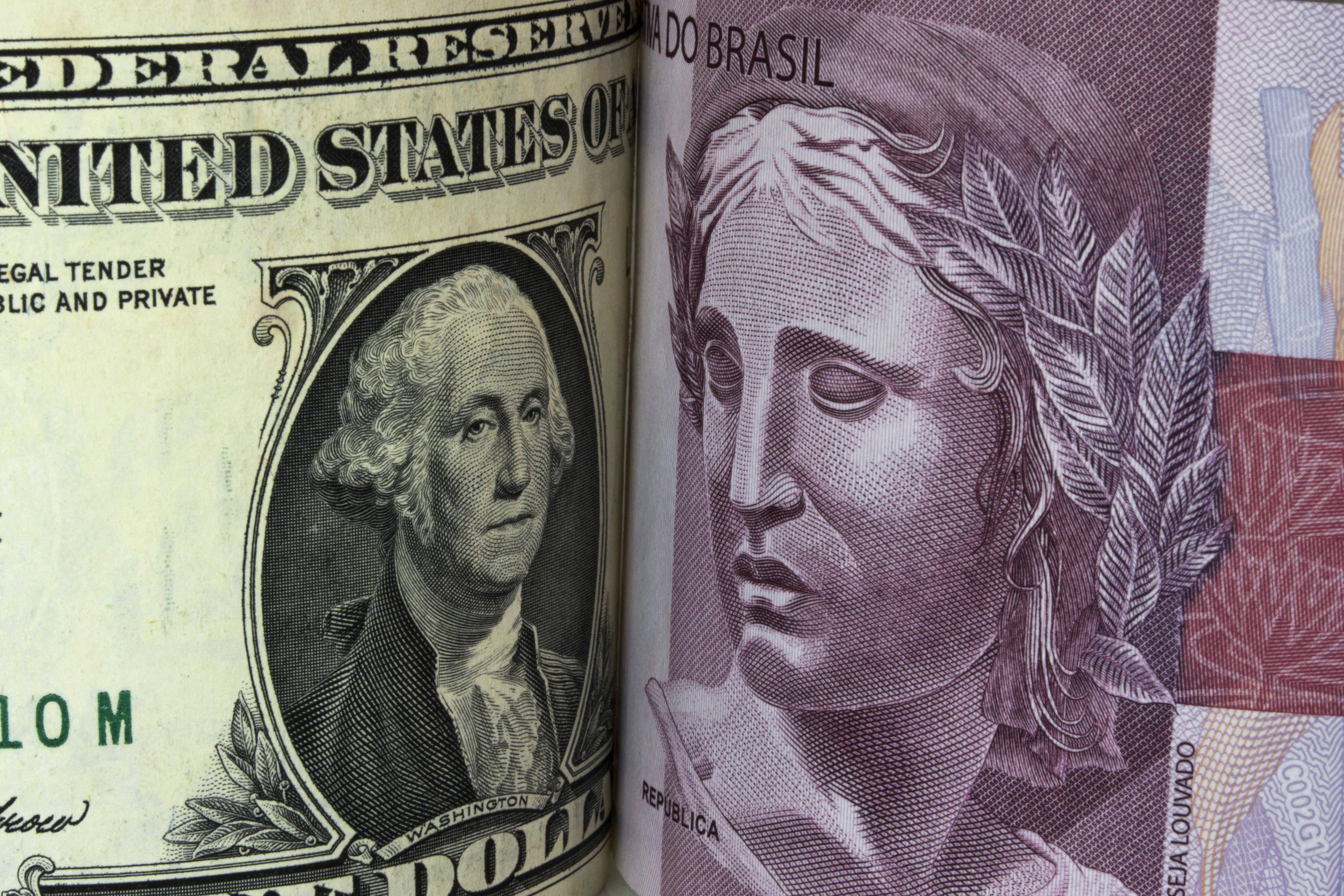
But according to Alencastro domestic factors were not the only ones pressuring the Brazilian real.
“The pre-salt disappointment in terms of a lack of foreign investments certainly made investors wearier, but this devaluation of the Brazilian real is not only the result of domestic factors, but also has a lot to do with economic issues occurring abroad,” Alencastro told The Rio Times over the telephone.
According to the analyst, economic uncertainties in several regions across the world and recent studies showing a decrease in global economic growth have left investors worried and less inclined to invest in emerging markets.
One of the main factors depreciating the Brazilian real, says Alencastro, is the continuing trade war between China and the United States. “With all this uncertainty investors are in a wait-and-see mode,” he said.
Another factor is the conflict registered in other Latin American countries, such as Chile and Bolivia.
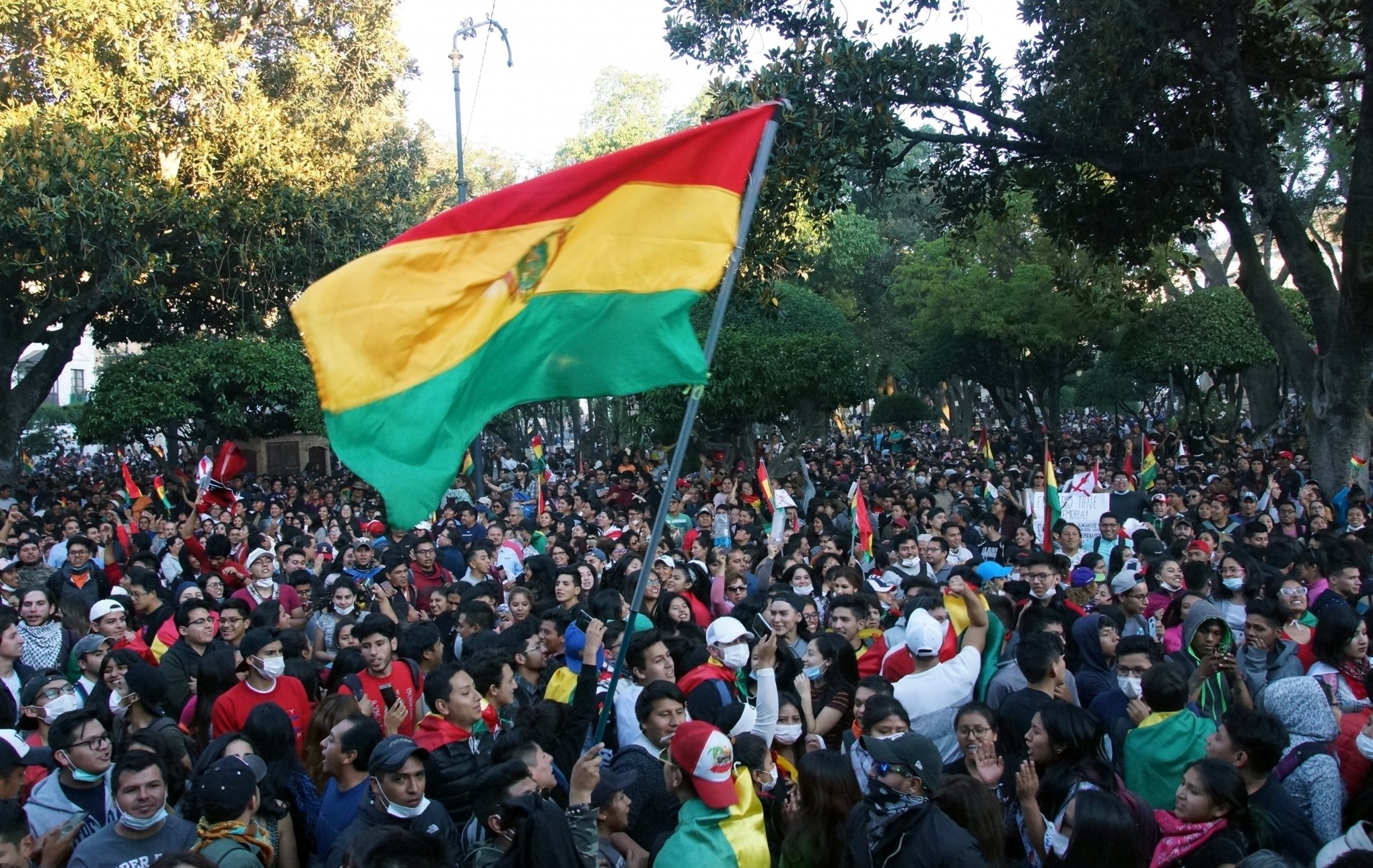
“Foreign investors are worried about the area in general, and when they start to pull out of these emerging markets they pull out of the entire region,” says Alencastro, noting that the Argentine election of a left wing-center candidate, Alberto Fernandez, as the country’s next president has also left investors apprehensive.
Despite the continuing social turmoil in Chile, the Brazilian currency registered a greater devaluation in November than its Chilean counterpart, with the Real devaluing by more than 4.70 percent while the Chilean peso depreciated by approximately 4.53 percent.
Nonetheless, Alencastro does not see Brazil’s Central Bank trying aggressively to halt the Brazilian real depreciation in relation to the US dollar.
“I don’t think the BC (Central Bank) will intervene too much because what they are looking at is its (FX exchange) impact on inflation; right now the impact is very small or even non-existent,” he says.
According to the economist with inflation under control, the Central Bank is likely to continue to allow markets to act freely and decide price levels, without having to promote major interventions.
“What is happening now in Brazil is what the market always dreamed about,” he says. “The market is taking a more liberal stance, and the government is allowing it without major interferences.”
On Tuesday Brazil’s Central Bank announced that it would offer up to US$785 million in spot currency on Thursday (November 21st), and also make available up to 15,700 reverse currency swap contracts and 15,700 traditional rollover swap contracts due in January 2020.
From January to November 2019, the Brazilian real has depreciated by over 7.42 percent against the US dollar, the third largest depreciation among the main thirty-three foreign exchange rates. Only the Argentine peso (decrease of 36.6 percent) and the Chilean peso (decrease of 10.6 percent) depreciated more in this year.
More: Brazil news in English, every day from The Rio Times.
Editorial responsibility: Matthias Camenzind, Editor-in-Chief · Editorial standards · Report an error