Equatorial Wins Control of Brazil Water Utility Copasa as Rival Quits
Brazil · Business
Key Facts
—The deal. Energy and sanitation group Equatorial won a 30% reference stake in Copasa, the state water utility of Minas Gerais.
—The price. R$49.03 a share, above the R$47.23 floor, for about R$5.5bn ($1.09bn); it could rise to R$7.9bn ($1.57bn) with add-ons.
—The twist. The rival Aegea consortium, including Itaúsa and Singapore’s GIC, pulled out, leaving Equatorial the sole bidder.
—The market. Copasa shares rose 13% and Equatorial gained 1.9% on the news.
—The use. Proceeds, near R$10bn ($1.99bn) in total, are earmarked to pay down Minas Gerais’s R$180bn ($35.8bn) debt to the federal government.
One of Brazil’s last big state water companies has changed hands, and the contest ended the way the country’s biggest sanitation privatization did before it: with a single bidder.
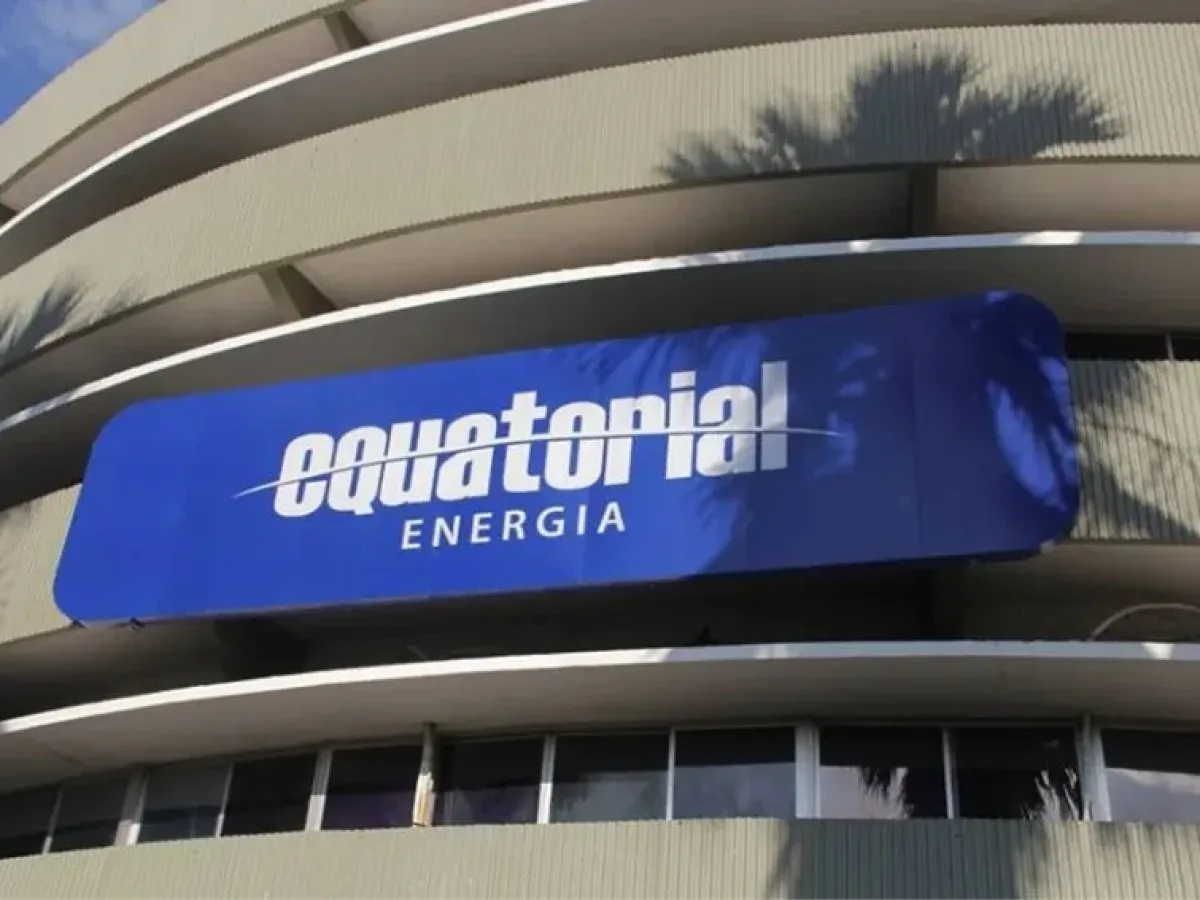
Equatorial, one of Brazil’s largest multi-utility groups, was named reference investor in the privatization of Copasa, the sanitation company of Minas Gerais state, the utility announced on Wednesday. Through a vehicle called Gerais Saneamento, Equatorial offered R$49.03 ($9.75) a share, above the R$47.23 minimum set by the state, in a deal worth about R$5.5bn ($1.09bn) for a 30% reference stake.
The company also signalled interest in buying additional shares, which could lift its total outlay to as much as R$7.9bn ($1.57bn).
How Equatorial won the Copasa water utility auction
Equatorial ended up the only bidder. A consortium that included the private operator Aegea, the holding company Itaúsa, Singapore’s sovereign wealth fund GIC and Equipav, organized through a vehicle named Livorno and widely seen as a favourite, withdrew before the envelopes were opened.
That left the field clear, an outcome that echoes the 2024 privatization of São Paulo’s Sabesp, the country’s largest water company, where Equatorial was also the sole bidder and became reference investor. On the exchange, Copasa shares jumped 13% and Equatorial rose 1.9% as the result landed.
What the sale means for Minas Gerais
For the state, the sale is primarily a fiscal manoeuvre. The law authorizing the privatization directs the proceeds, estimated at close to R$10bn ($1.99bn), toward amortizing Minas Gerais’s debt to the federal government, which stands at around R$180bn ($35.8bn), with part set aside for an infrastructure and sanitation fund.
The state currently holds 50.03% of Copasa; the reference investor will take over management and investment execution, with a secondary share offering to follow that further reduces the state’s control. A bookbuilding process for an additional tranche of about 15% is set to run in early June, with the shares due to begin trading mid-month.
A consolidation play in Brazilian sanitation
The acquisition deepens Equatorial’s push into water and sewage, a sector opened to private capital by Brazil’s 2020 sanitation framework, which set universal-coverage targets that require heavy investment. Having entered Sabesp in 2024, Equatorial now adds a second major state utility, positioning it as one of the principal consolidators in a fragmented but fast-changing industry.
The thin field of bidders, however, has drawn criticism: a water-sector union argued that Aegea‘s exit turned the auction into a one-sided negotiation that could let the asset go near its floor price. For investors, the deal is another marker in Brazil’s steady transfer of state infrastructure into private hands.
Frequently Asked Questions
What did Equatorial buy?
A 30% reference stake in Copasa, the Minas Gerais state water utility, for about R$5.5bn ($1.09bn), with room to rise to R$7.9bn ($1.57bn).
Why was there only one bidder?
The rival Aegea consortium, including Itaúsa and Singapore’s GIC, withdrew before bids were opened, leaving Equatorial alone, as happened with Sabesp in 2024.
What happens to the proceeds?
They are earmarked to pay down Minas Gerais’s roughly R$180bn ($35.8bn) debt to the federal government, with part going to an infrastructure fund.
How did the shares react?
Copasa shares rose 13% and Equatorial gained 1.9% after the result was announced.
Connected Coverage
The Copasa sale unfolds against a tense external backdrop, from U.S. tariffs that could stack to 37.5% to a trade surplus that is shifting away from the U.S.
This article was produced by The Rio Times’ automated newsroom system. How we use AI · Report an error · Editorial responsibility: Matthias Camenzind, Editor-in-Chief
LatAm Markets: Live Signals → — real-time movers, turnover leaders and FX across Latin America.
Read More from The Rio Times