Brazil Votes $4.8bn for an Oil Shock It Thought Was Ending
Fiscal Policy
Key Facts
—The diesel bill. The lower house passed MP 1344/2026 on July 8, an extraordinary credit of R$10bn ($1.94bn).
—The export bill. The Senate passed MP 1345/2026 the same day, opening R$15bn ($2.91bn) in credit lines.
—The source. Both draw on the 2025 financial surplus rather than new borrowing.
—The clock. The diesel measure must clear the Senate by July 16; the export measure lapses on July 22.
—The loophole. An extraordinary credit sits outside the fiscal framework’s limits, yet still hits the primary result.
—The trigger. Brent has climbed back near eighty dollars after fresh strikes on Iran broke the June truce.
Three weeks ago a senior Brazilian Treasury official said the Brazil fuel subsidy would be wound down once oil settled near eighty dollars a barrel. Oil is now near eighty dollars, and on Wednesday both chambers voted to keep the money flowing.
The two measures passed within hours of each other. Together they move twenty-five billion reais, close to five billion dollars. Only one of them is fuel money; the other is credit for exporters caught between tariffs and the war.
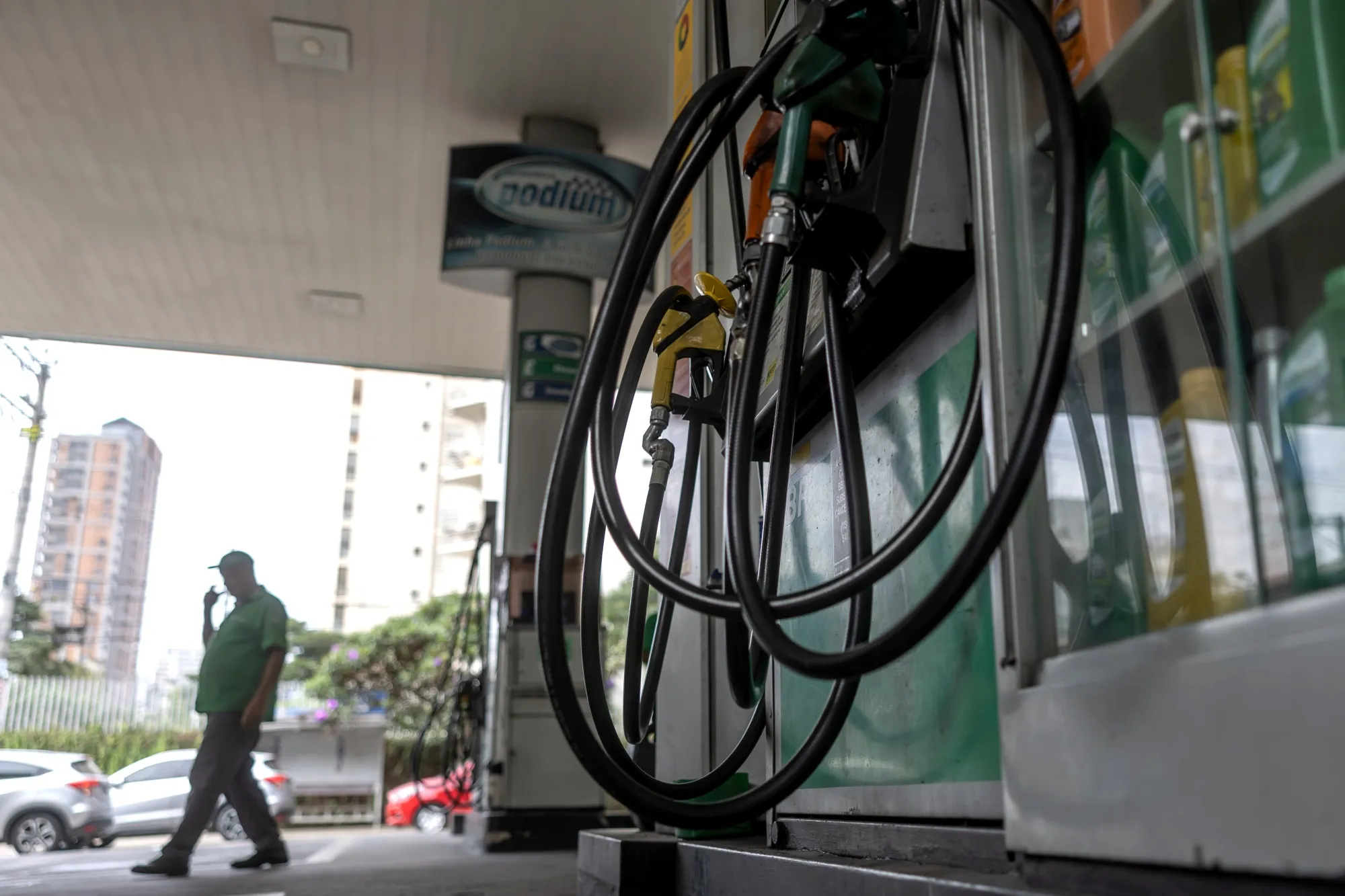
The first is the diesel money. According to the lower house’s own account of the vote, deputies approved an extraordinary credit of ten billion reais to fund the diesel subsidy through the end of December.
The second is the export money. The Senate cleared fifteen billion reais in credit lines for firms whose sales abroad were hit by tariffs and by the Middle East war.
Why the Brazil fuel subsidy did not end on schedule
The plan had been to let it fade. A Treasury official said in June that Brazil would wind the support down if crude settled around eighty dollars, and last week the government withdrew part of the diesel benefit.
Then the truce broke. Fresh American strikes on Iran and attacks on shipping near the Strait of Hormuz pushed Brent back up, days before deputies had to rule on a measure the president issued in March.
Deputy Hildo Rocha put it plainly during the floor debate. The war, he said, is proving expensive for Brazilians, who sometimes forget that a distant conflict sends its consequences home.
His colleague Tadeu Veneri supplied the reason diesel is treated as a special case. It moves almost all of Brazil’s public transport and roughly four fifths of its freight.
Where the money comes from
Neither measure is funded by fresh debt. Both reach for money left over from last year, which is the detail that lets the government present them as fiscally contained.
The diesel credit draws on the 2025 financial surplus and flows to the mines and energy ministry. The petroleum regulator handles payments to refiners and importers, while the export lines come from the export guarantee fund surplus and are run by the national development bank.
There is a technicality here that matters to anyone holding Brazilian debt. Because the diesel money is classed as an extraordinary credit, it falls outside the individual spending limits of the fiscal framework.
It still lands on the primary result. The rule is bypassed; the arithmetic is not.
A subsidy the government is trying to shed
The contradiction is not lost on Brasília. The government said last week it was withdrawing part of the diesel benefit, and the finance ministry has signalled it wants to phase out gasoline support as well.
Congress has now voted the funding for a programme the executive says it is dismantling. Both things are true at once, because nobody knows what oil does next.
The politics have sharpened accordingly. Hugo Motta, who presides over the lower house, told party leaders he may bring a rival bill to the floor if the gasoline subsidy is not withdrawn by Thursday.
That bill would preserve a favourable tax regime for biofuels. It is a bargaining chip, aimed squarely at the same fiscal space the two measures just claimed.
What the Brazil fuel subsidy means for investors
Twenty-five billion reais is small against a public debt above ten trillion. As a share of the stock it barely registers, at under a quarter of one percent.
The signal is what counts. In an election year, with a first round in October, the government has shown it will find money for pump prices even while promising restraint.
The export package points the other way, and deserves its own reading. It is credit rather than cash, aimed at smaller exporters, and it widened during its passage to cover agro-industry, fishing, livestock and mining.
Both measures now sit on deadlines. The diesel credit needs the Senate within a week, and the export credit awaits a presidential signature before the month turns.
What exactly did Brazil’s Congress approve?
There were two separate emergency measures on July 8. The lower house passed MP 1344/2026, an extraordinary budget credit of ten billion reais to fund the diesel subsidy until the end of December. The Senate passed MP 1345/2026, releasing fifteen billion reais in credit lines for exporters affected by tariffs and the Middle East conflict.
Does this break Brazil’s fiscal rules?
No, because an extraordinary credit is legally exempt from the individual spending limits of the fiscal framework. The expense still counts against the primary result, so the fiscal cost is real even though no rule is broken.
Is the Brazil fuel subsidy being extended or ended?
Both, in effect. The government said last week it was withdrawing part of the diesel benefit and is weighing a gradual exit from gasoline support. Yet Congress has funded the diesel subsidy through December, because the collapse of the June truce has pushed oil prices back up.
Frequently Asked Questions
How much money do the two measures move together, and what are they for?
Together, MP 1344/2026 and MP 1345/2026 move twenty-five billion reais, close to five billion dollars. The first provides ten billion reais to fund the diesel subsidy through the end of December. The second opens fifteen billion reais in credit lines for exporters affected by tariffs and the Middle East war.
Where does the funding for both measures come from?
Both measures draw on the 2025 financial surplus rather than new borrowing. But because they are classified as extraordinary credits, they sit outside the fiscal framework's limits yet still affect the primary result.
What are the deadlines for each measure to become law?
The diesel measure, MP 1344/2026, must clear the Senate by July 16, while the export measure, MP 1345/2026, lapses on July 22. The lower house passed the diesel bill and the Senate passed the export bill on the same day, July 8.
Connected Coverage
Brazil Signals It Will End Fuel Subsidies if Oil Calms Near $80
This article was produced by The Rio Times’ automated newsroom system. How we use AI · Report an error · Editorial responsibility: Matthias Camenzind, Editor-in-Chief