Ecuador Power Decree Fast-Tracks New Plants Up to 100 MW in Dry Season
ECUADOR · ENERGY
Key Facts
- —The decree Executive Decree 515, issued on 30 September 2026, rewrites the regulation of Ecuador’s electricity service law.
- —Faster approvals Renewable and transition power projects of up to 100 megawatts (MW) get simplified procedures, according to the energy ministry.
- —Own power High-voltage customers in new mining and oil projects must build their own supply, with 18 months to comply.
- —New districts Industrial and production zones can form Autonomous Energy Districts that combine generation, storage and local grids.
- —The context Since 22 September 2026, 185 large industrial users have cut grid power one day a week during the dry season.
The Ecuador power decree opens more room for private and self-generated electricity, as low rivers cut hydroelectric output.
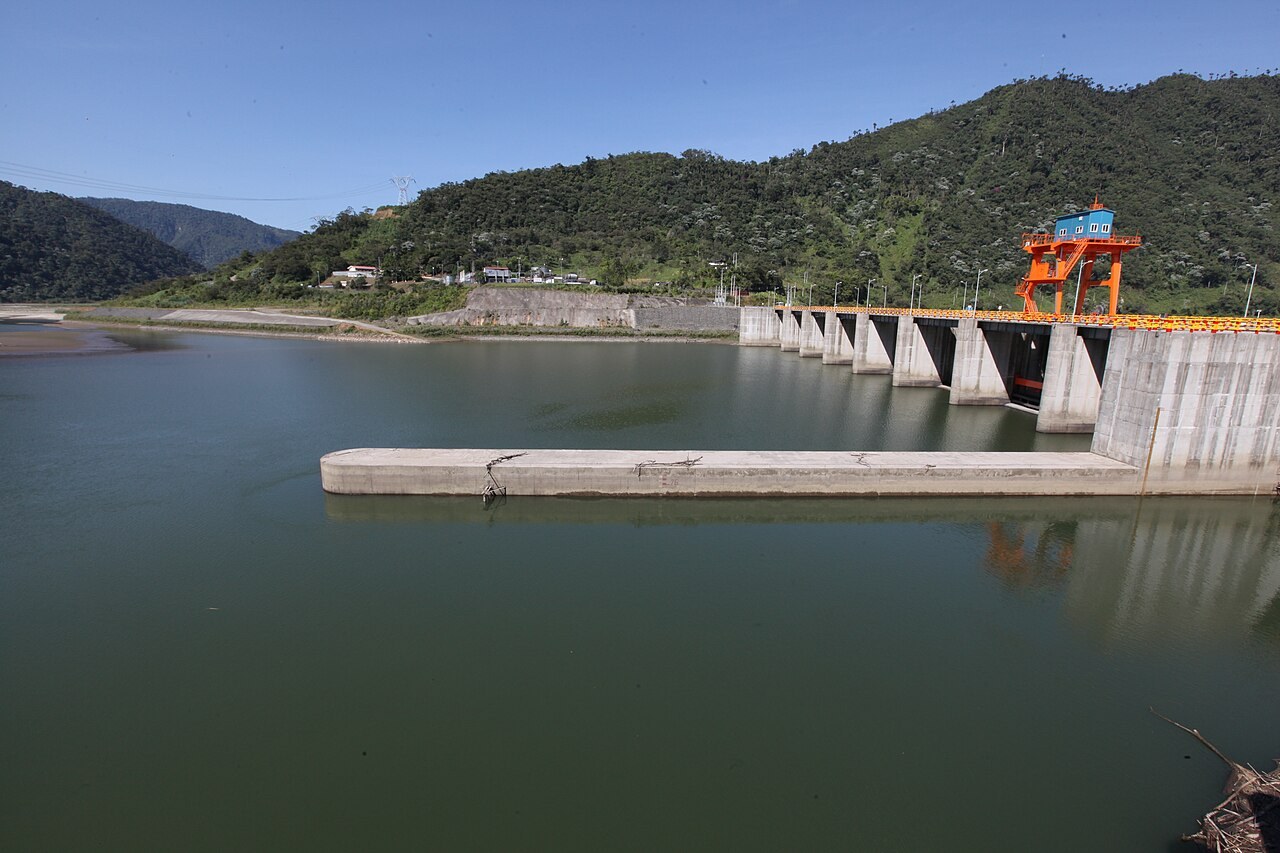
President Daniel Noboa has issued Executive Decree 515, new rules to bring power generation online faster in Ecuador. The decree of 30 September 2026 eases approvals for smaller plants and makes new mines and oil fields produce their own power.
Ecuador Power Decree: What Changes
The decree reforms the general regulation of the Organic Law of the Public Electricity Service, the main law for Ecuador’s power sector. The Ministry of Environment and Energy announced it on 30 September.
Its stated aim is to speed up new generation, attract investment and make the national grid more secure. It also seeks to widen the mix of energy sources.
Ecuador, a country of about 18 million people on the Pacific coast of South America, has used the US dollar since 2000. Daniel Noboa has been president since November 2023.
Faster Approvals for Smaller Plants
Projects of up to 100 megawatts (MW) now get simplified and prioritised procedures. This covers non-conventional renewables, such as solar and wind, and transition generation, a term for plants that bridge supply gaps.
The electricity regulator, ARCONEL, will set preferential prices and update mechanisms for these projects, TC Televisión reported. The goal is to make them easier to finance.
Smaller plants usually take less time to build than large dams. The ministry’s own plans include 100 MW of solar capacity, to be added step by step during 2026.
Mines and Oil Fields Must Bring Their Own Power
The most direct change hits heavy industry. High-voltage customers in new mining and oil projects must install self-generation or self-supply systems that match their demand.
They have 18 months to comply. The ministry exempts some users, including social-assistance consumers, public-benefit bodies, water utilities and official institutions.
Other industries and consumers may also build their own generation. They can sell surplus power into the national grid under conditions that ARCONEL will define.
Energy Districts, Storage and Longer Planning
The decree creates Autonomous Energy Districts. In industrial zones, production areas and strategic projects, companies can combine generation, storage and local power lines under one framework.
It also adds rules for energy storage and for grid services such as reserves, frequency regulation and voltage control. These services keep supply stable when demand or output swings.
CENACE, the national grid operator, must now plan operations over five years instead of two. The decree also adds financing tools for new transmission and distribution lines.
A Grid Under Pressure in the Dry Season
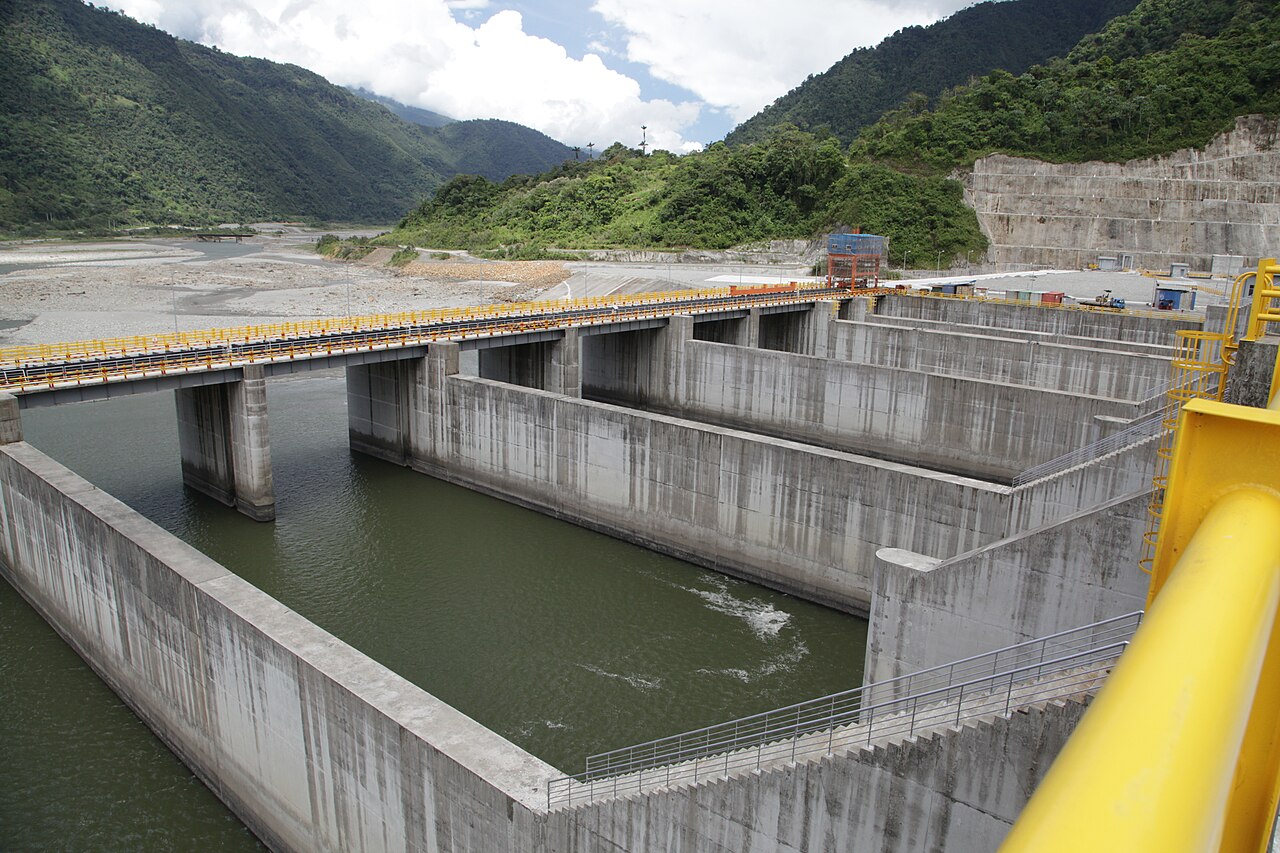
The decree arrives in the middle of the estiaje, the dry season, when low river flows cut hydroelectric output. Since 22 September, 185 large industrial users have cut grid power one working day a week.
That order covers big factories, not households. It runs alongside a separate security emergency, explained in our report on the Ecuador curfew and power plan.
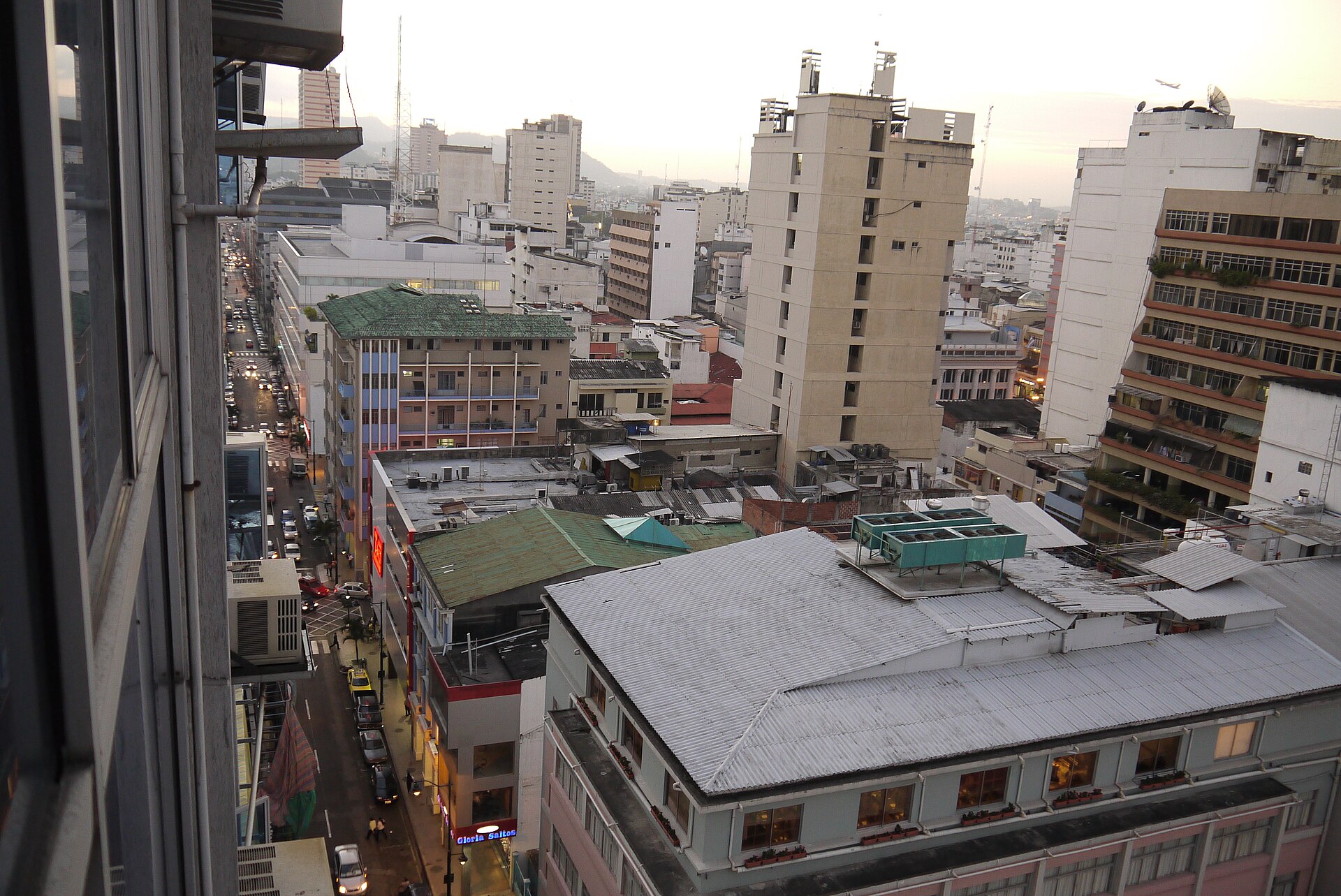
The government is also adding thermal capacity. On 29 September, TC Televisión reported plans to add 145 MW from the Trinitaria and Aníbal Santos plants in Guayas province.
The Long View: From 2024 Cuts to New Capacity
Ecuador has lived through this cycle before. In late 2024, low rivers forced rotating power cuts for homes and businesses across the country.
By December 2024 the cuts had fallen to three hours a day. Better river flows, imports from Colombia and new thermal plants made the difference, TC Televisión reported at the time.
In 2025, the ministry says, the state recovered 250.1 MW from repaired plants and added 596.8 MW of new capacity. Its pipeline for 2026 and 2027 includes solar, hydro, wind and leased power barges.
What It Means for Investors and Residents
For mining and oil investors, power becomes part of the project budget from day one. Other industries gain the option to share plants in energy districts and to sell surplus power.
For residents, the decree sets no new tariffs and orders no household cuts. Much of it depends on prices and conditions that ARCONEL has yet to publish.
The ministry has not said how many megawatts it expects the decree to add, or by when. New plants take time to build, while the dry season is here now.
The rainy season normally returns towards December, when hydroelectric output usually recovers. Until then, thermal plants and demand cuts carry the system.
More: Anti-corruption drive in Guayaquil. Ecuador news, every day from The Rio Times.
Frequently Asked Questions
What is Ecuador’s Decree 515?
It is an executive decree signed by President Daniel Noboa and published on 30 September 2026. It reforms the regulation of Ecuador’s electricity service law to speed up new power generation and private investment.
Who must produce their own electricity under the new rules?
High-voltage customers in new mining and oil projects must install self-generation or self-supply systems that cover their demand. They have 18 months to comply, and some public and social users are exempt.
Are households in Ecuador facing power cuts?
The rationing order of 22 September 2026 applies to 185 large industrial users, who cut grid power one day a week. The decree itself does not order any household cuts.
Sources: TC Televisión · Ministry of Environment and Energy (Ecuador) · TC Televisión · TC Televisión · Ministry of Environment and Energy (Ecuador)
Read More from The Rio Times