Ecuador Begins Closure of Its Largest Oil Block Following Public Vote
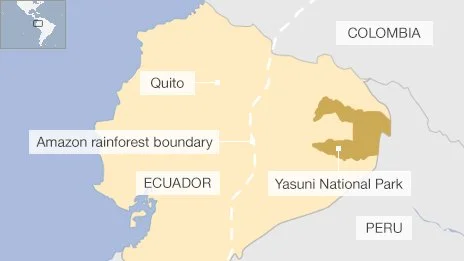
Ecuador has started the phased shutdown of its large oil wells in Block 43-ITT, located in Yasuní National Park.
This decision stems from a national referendum where Ecuadorians voted to keep the area’s oil reserves untapped.
Yasuní, a biosphere reserve in the Amazon, is considered important for global conservation efforts.
On August 20, the Ministry of Energy and Mines announced the beginning of this significant process.
The Block is situated in Orellana Province and will undergo a gradual cessation of extraction activities. Minister Antonio Goncalves led the closure of the first operational well, Ishpingo B-56.
This initial step involved deactivating the well and removing the associated equipment. Workers will cleanse the well and seal it with cement, ensuring a safe, permanent closure.
The strategy for shutting down involves a detailed five-year and five-month plan. It covers the systematic closure of 247 wells, including both producers and reinjectors.
This schedule aims to minimize environmental impact and consider the welfare of surrounding communities.
Block 43-ITT has been a cornerstone of Ecuador’s development, with an output exceeding 57,000 barrels per day.
However, its closure signifies a pivotal shift. The government anticipates a loss of approximately $1.2 billion in annual revenue from halted oil sales.
Ecuador Begins Closure of Its Largest Oil Block Following Public Vote
Furthermore, the estimated cost to dismantle the block’s infrastructure is around $16.47 billion. This figure comes from Petroecuador, the state-owned oil company.
The financial implications are substantial, reflecting the country’s commitment to environmental preservation over immediate economic benefits.
The government appreciates the workers for adapting to this new directive. This closure not only demonstrates Ecuador’s resolve in environmental conservation but also highlights the global trend towards sustainable energy practices.
It underscores the powerful role of public decisions in directing national environmental strategies.
More: Ecuador news in English, every day from The Rio Times.
This article was produced by The Rio Times’ automated newsroom system. How we use AI · Report an error
Read More from The Rio Times