Cuba’s Nickel Giant Draws Rival US Takeover Bids
CUBA · ECONOMY
Key Facts
- —What happened: Sherritt International signed a preliminary deal with Texas firm Gillon Capital over its Cuban mining assets.
- —How big: A rival Glencore-backed group separately offered fifty-five percent of Sherritt at twelve Canadian cents a share, about nine US cents.
- —What it means: Either deal would give a US firm a leading role in Cuba’s nickel and energy sectors.
- —The catch: A pro-trade lobby’s claim that this move unlocks Cuba’s economy is its own framing, not independently confirmed.
- —Where it lands: The dispute unfolds as Cuba’s power grid keeps failing, cutting electricity to millions for hours daily.
This story is part of our coverage of the Cuba US tensions. Who backs Havana, the blackouts, the embargo vote and what it means for travellers are in our dossier.
A Canadian mining giant’s tentative sale to a Trump-linked investor remains unconfirmed as Cuba’s energy crisis deepens.
A Canadian mining company at the center of Cuba’s nickel industry may soon answer to a new US owner. Sherritt International has signed a preliminary deal with Gillon Capital, a Texas investment firm.
Gillon Capital has ties to a former Trump administration official named Ray Washburne. The deal could give Gillon control over Sherritt’s Cuban mining and energy assets.
A Struggling Miner Draws Rival Bids
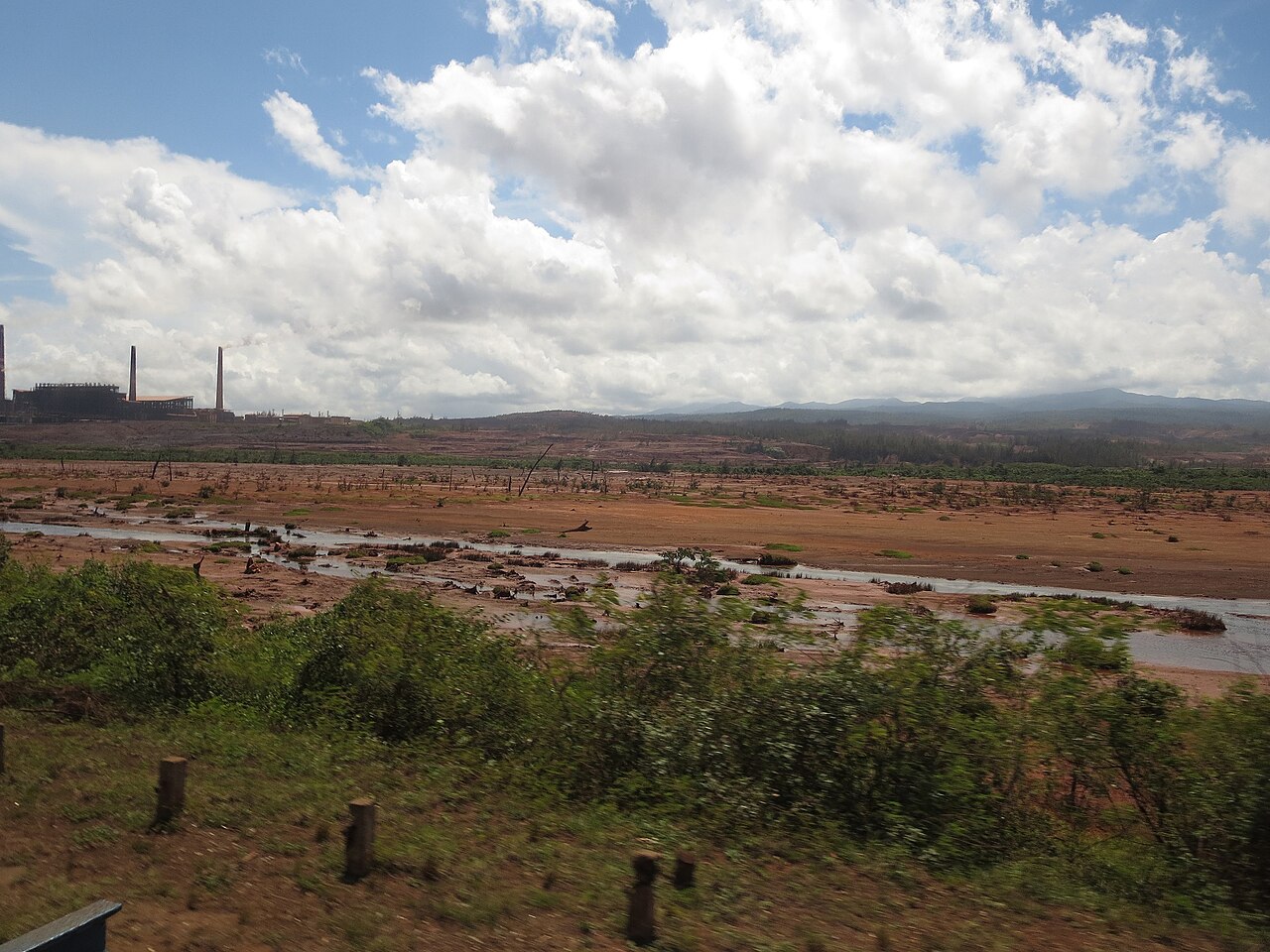
Sherritt is Canada’s largest partner in Cuba’s mining and energy sectors. Expanded US sanctions in May forced it to halt its Moa nickel and cobalt venture.
The Moa mines were American-owned until Cuba’s 1959 revolution, when they were nationalized. Sherritt built a joint venture there with the Cuban government in the 1990s.
Nickel and cobalt from Moa feed stainless steel and battery makers worldwide. Cuba holds some of the world’s largest cobalt reserves.
The company later signed a non-binding term sheet with Gillon Capital. A separate group backed by commodities giant Glencore made a rival offer in June.
That group includes Kyma Capital and Brevan Howard co-founder Trifon Natsis. It proposed buying fifty-five percent of Sherritt at twelve Canadian cents a share, about nine US cents.
Sherritt chose exclusive talks with Gillon anyway in August. The rival Glencore offer has no clear path forward now.
Why Washington Tightened Its Grip
The Trump administration widened Cuba sanctions in May, squeezing Sherritt’s finances hard. Sherritt has since warned it may not survive without fresh investment.
Sherritt is also negotiating with lenders and bondholders over its debt. It wants a broader financial rescue beyond the Gillon and Glencore talks.
Ray Washburne once led the US government’s overseas investment agency under Trump. He now chairs a fuel company and runs Gillon Capital from Texas.
The U.S.-Cuba Trade and Economic Council tracks these sanctions closely. It is an advocacy group, not a news agency.
The council has long favored more American business in Cuba. It pointed to a White House mining roundtable in August as a good sign for Gillon.
A Bold Claim, Still Unconfirmed
The U.S.-Cuba Trade and Economic Council called the Gillon deal “the first key to remove the lock” on Cuba’s economy. That is the group’s own language, not a quote from Sherritt or Gillon.
No independent outlet has confirmed that framing. Sherritt’s own filings call the deal non-binding and warn it may never close.
The United States has embargoed trade with Cuba since 1962. Any deal touching Cuban assets normally needs a special license.
The agreement still needs approval from the US Treasury’s sanctions office and from Toronto Stock Exchange regulators. Sherritt says both sides must also finish due diligence first.
Sherritt’s exclusive talks with Gillon are set to run about 120 days. That window opened in August and could lapse without a final deal.
Blackouts Compound Cuba’s Energy Crisis
The dispute over Sherritt unfolds against a deepening energy crisis. Cuba’s power grid has collapsed nationwide at least four times in 2026.
Cuba’s latest confirmed nationwide collapse hit in early August. Havana had only partly recovered power before the grid failed again.
The government blames Washington for cutting off fuel supplies and financing. Others point to aging power plants and years of underinvestment.
Grid operators warned of shortfalls as the school year began in September. They expected only about a third of the power Cubans would need at peak hours.
Cuba’s grid operator expected just 1,020 megawatts of supply that day. Forecast peak demand was 3,300 megawatts, nearly triple that amount.
Many thermoelectric plants are more than thirty years old and break down often. Dozens of smaller generators sit idle for lack of fuel to run them.
Fuel shortages have also triggered protests in several Cuban cities this year, according to Al Jazeera.
US policy is also reshaping migration across the region. Rights advocates say mass deportations are deepening Haiti’s own humanitarian crisis, according to the Haitian Times.
More: Cuba news in English, every day from The Rio Times.
The big picture: Cuba explained — economy, politics, society and daily life in one read.
Frequently Asked Questions
What is Sherritt International, and why does it matter to Cuba?
Sherritt is a Canadian company that runs Cuba’s biggest nickel and cobalt mine. It also holds stakes in Cuban power and oil ventures.
Has a US company actually acquired Sherritt’s Cuba assets?
No. Sherritt signed a non-binding term sheet with Gillon Capital, but the deal has not closed and needs regulatory approval.
Who is bidding to take control of Sherritt?
Texas firm Gillon Capital and a separate Glencore-backed investor group are both pursuing control of Sherritt.
What is causing Cuba’s blackouts?
Cuba’s government blames US-driven fuel shortages. Others point to aging power plants and years of underinvestment in the grid.
Sources: Sherritt International press releases, The Globe and Mail, CBC News, MINING.COM, Yahoo Finance Canada, Al Jazeera, Cuba Headlines, U.S.-Cuba Trade and Economic Council, Haitian Times.
This article was produced by The Rio Times’ automated newsroom system. How we use AI · Report an error · Editorial responsibility: Matthias Camenzind, Editor-in-Chief
Cuba and the United States
- What Is Going On Between Cuba and the United States?
- What Is Going On Between Cuba and the United States?
- Can Americans Still Travel to Cuba in 2026?
- Who Runs Cuba in 2026? Raúl Castro and the US Murder Charge