Colombia Seizes Three Properties From Former Presidential Candidate Zuluaga
COLOMBIA · JUSTICE
Key Facts
- —The date Friday 11 September 2026, ordered by the national prosecution service.
- —The assets An apartment in Bogota, a one-third share of another Bogota home, and a property in Pensilvania, Caldas.
- —The value About 3,664 million pesos, roughly US$1.18 million at the official rate.
- —The process Civil asset forfeiture, which runs separately from the criminal case.
- —The background An alleged US$1.61 million Odebrecht payment for 2014 campaign advertising, never declared.
- —The catch There is no conviction. He was charged in 2023 and did not accept the charges.
This is a freeze, not a verdict. The criminal case against the former candidate has not reached trial and he has never accepted the charges.
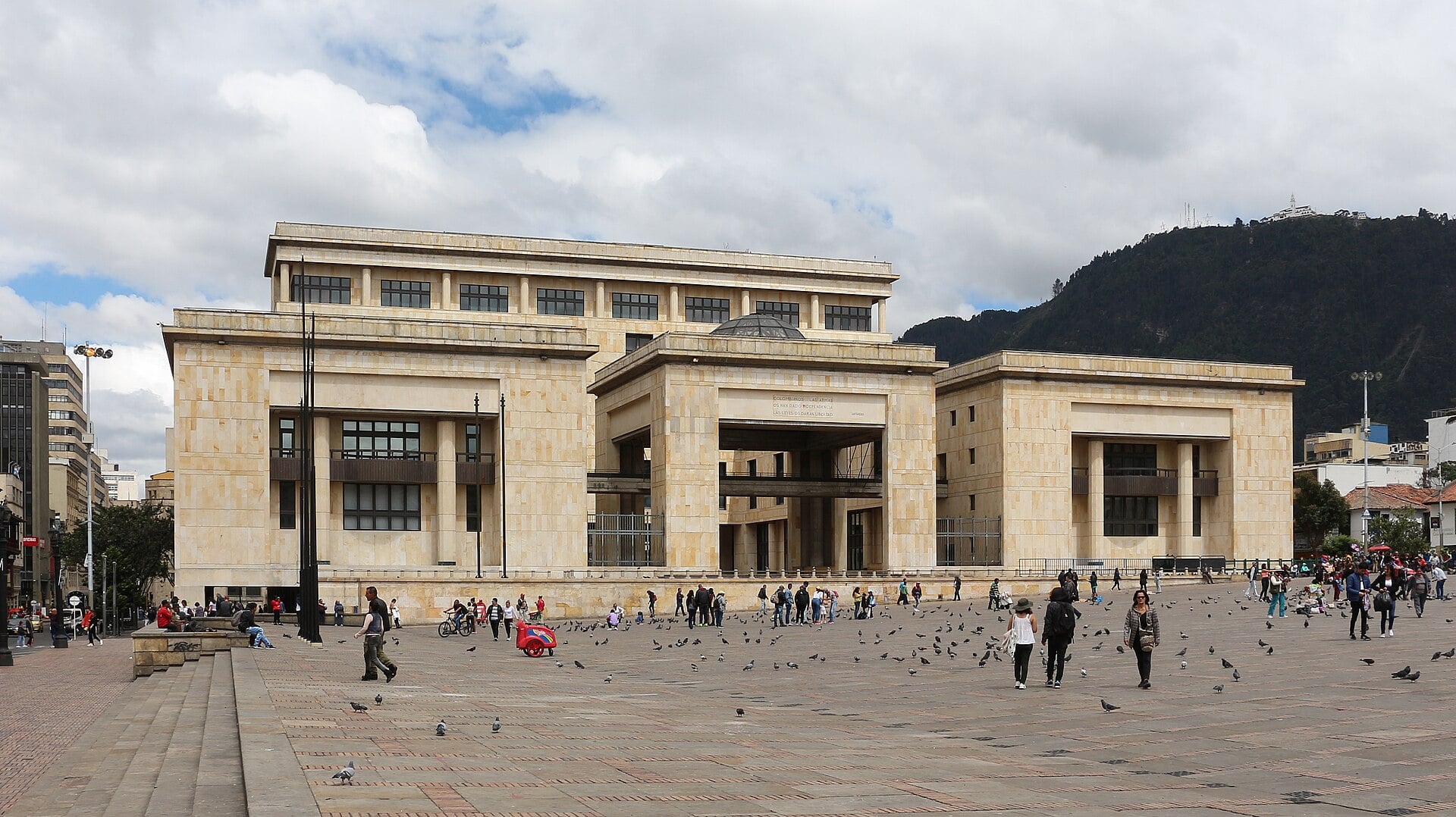
Colombian prosecutors froze three properties linked to Oscar Ivan Zuluaga on Friday. He was the runner-up in the 2014 presidential election.
The order came from the prosecution service’s asset forfeiture directorate. It was handled by the special task group working on the Odebrecht file.
The measures are an embargo, judicial custody and suspension of the right to dispose of the assets. In plain terms, nothing can be sold.
What Was Frozen
There are three properties. One is an apartment in Bogota and one is a one-third share of another home in the city.
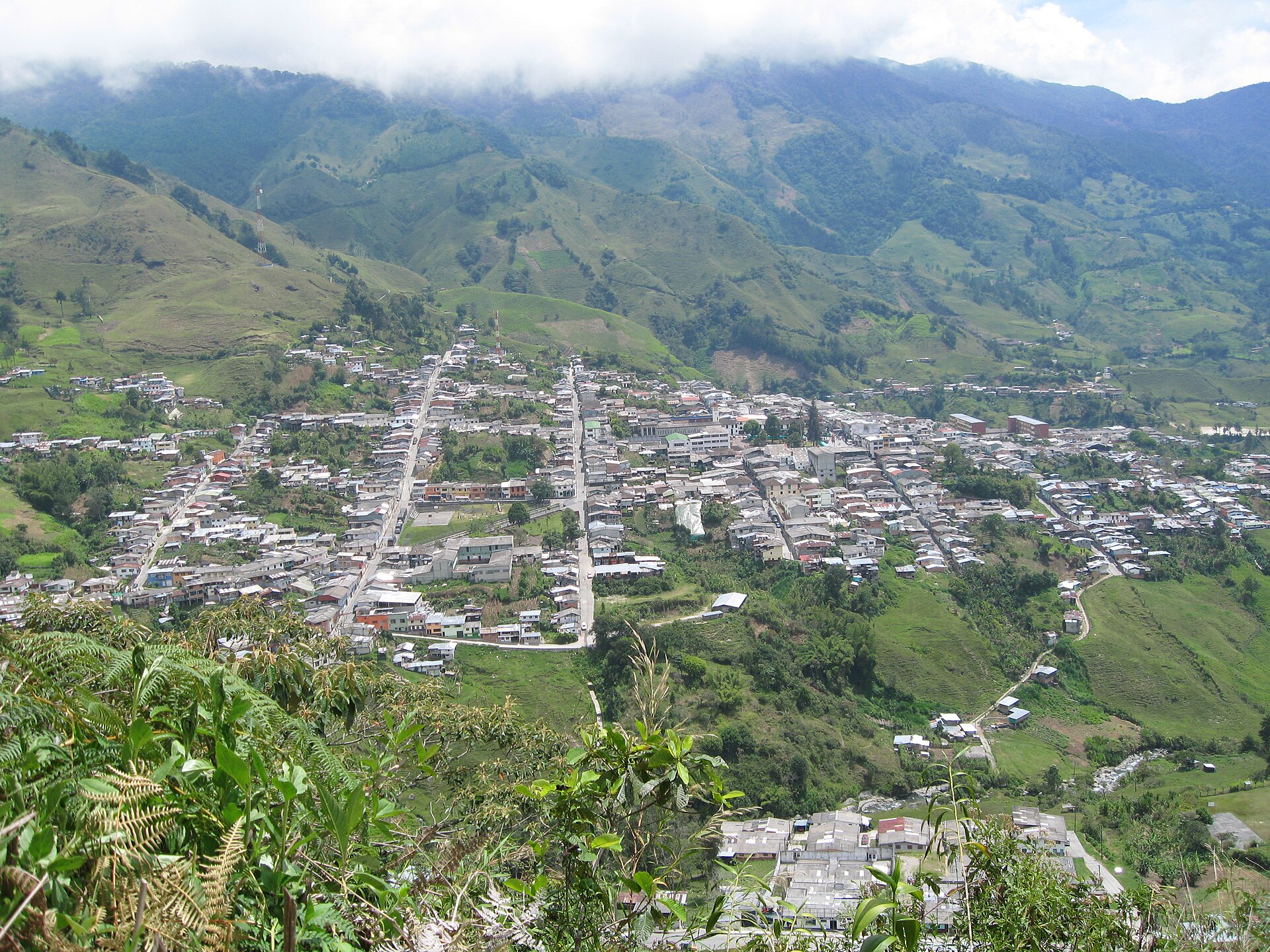
The third is in Pensilvania, in the department of Caldas. Together they are valued at about 3,664 million pesos, roughly US$1.18 million.
All three were registered in his own name. They were transferred to family members in June 2023, his wife among them.
Prosecutors say the freeze stops any sale while forfeiture proceeds. The relatives who received the transfers have not been charged with anything.
What Forfeiture Is, and Is Not
Asset forfeiture in Colombia is a civil action against property, not against a person. It asks whether an asset has a lawful origin.
It runs on a separate track from the criminal case. A freeze in one does not establish guilt in the other.
This distinction gets lost quickly in headlines. Zuluaga has not been convicted of anything.
The Underlying Allegation
The case concerns the 2014 presidential campaign. Prosecutors allege a payment of US$1,610,740 from the Brazilian construction group Odebrecht.
The money is said to have moved between June and July 2014 through an entity registered in Panama. It allegedly paid for campaign advertising.
The advertising work is attributed to the Brazilian publicist Duda Mendonca. The payment was never reported to electoral authorities.
Odebrecht admitted paying bribes across Latin America in a 2016 settlement with United States prosecutors. Colombia has been working through the consequences ever since.
Where the Criminal Case Stands
Zuluaga was formally charged on 10 July 2023. The counts are falsification of a private document, procedural fraud and illicit enrichment.
His son David Zuluaga Martinez was charged with procedural fraud. Neither accepted the charges.
Defence attempts to annul the proceedings were rejected in April 2024. A Bogota appeals tribunal rejected them again on 25 June 2024.
The formal indictment was filed on 5 August 2024. The case has not reached a verdict.
His lawyer said in 2023 that the defence would prove innocence with evidence and disprove every charge. No comment on Friday’s freeze had been published by Saturday.
Why It Matters
Zuluaga came second to Juan Manuel Santos in 2014. He was the candidate of the party led by former president Alvaro Uribe.
The Odebrecht scandal touched both campaigns in that election. It has produced years of litigation and very few final judgments.
Friday’s order is a procedural step, not a conclusion. It signals that prosecutors intend to pursue the assets whatever happens in the criminal court.
For readers outside Colombia, the useful point is the two-track system. Property can be frozen and even forfeited on a civil standard while a criminal case is still unresolved.
Colombia created that system in the 1990s to strip assets from drug organisations. It has since been applied to corruption cases as well.
The burden in a forfeiture case sits on the origin of the asset. Owners must show the money behind a property was lawful.
More: Latin America news in English, every day from The Rio Times.
Frequently Asked Questions
What did prosecutors seize?
Three properties: a Bogota apartment, a one-third share in another Bogota home, and a property in Pensilvania, Caldas, worth about 3,664 million pesos, roughly US$1.18 million.
Has Zuluaga been convicted?
No. He was charged in July 2023 with falsification of a private document, procedural fraud and illicit enrichment, and did not accept the charges.
What is the case about?
An alleged US$1.61 million payment from Odebrecht in mid-2014, routed through a Panama-registered entity to fund presidential campaign advertising and never declared.
Is the seizure the same as the criminal case?
No. It is a civil asset forfeiture action against the property itself, which runs on a separate track from the criminal proceedings.
Are his family members accused?
No. The properties were transferred to relatives in June 2023, but none of them has been charged.
Sources: El Tiempo, Vanguardia, Cambio, Pulzo, El Espectador, Infobae.
This article was produced by The Rio Times’ automated newsroom system. How we use AI · Report an error
Read More from The Rio Times