Cosan Puts Its São Luís Port Terminal Up for Sale to Cut Debt
Brazil · Business
Key Facts
- —The move Cosan filed to sell 100% of its TUP São Luís port terminal in Maranhão.
- —The price an indicative R$300 million (about US$56 million), plus possible earn-out payments later.
- —The reason Cosan is selling assets it does not need to cut a heavy debt load.
- —The debt Cosan reported net debt of about R$11.5 billion (US$2.13 billion) in March 2026.
- —The buyer not confirmed; reports point to Chinese interest, with COFCO named as a likely bidder.
When a company owes a lot, it starts selling what it does not truly need. Here is what Cosan is letting go, and why a small port in the north matters.
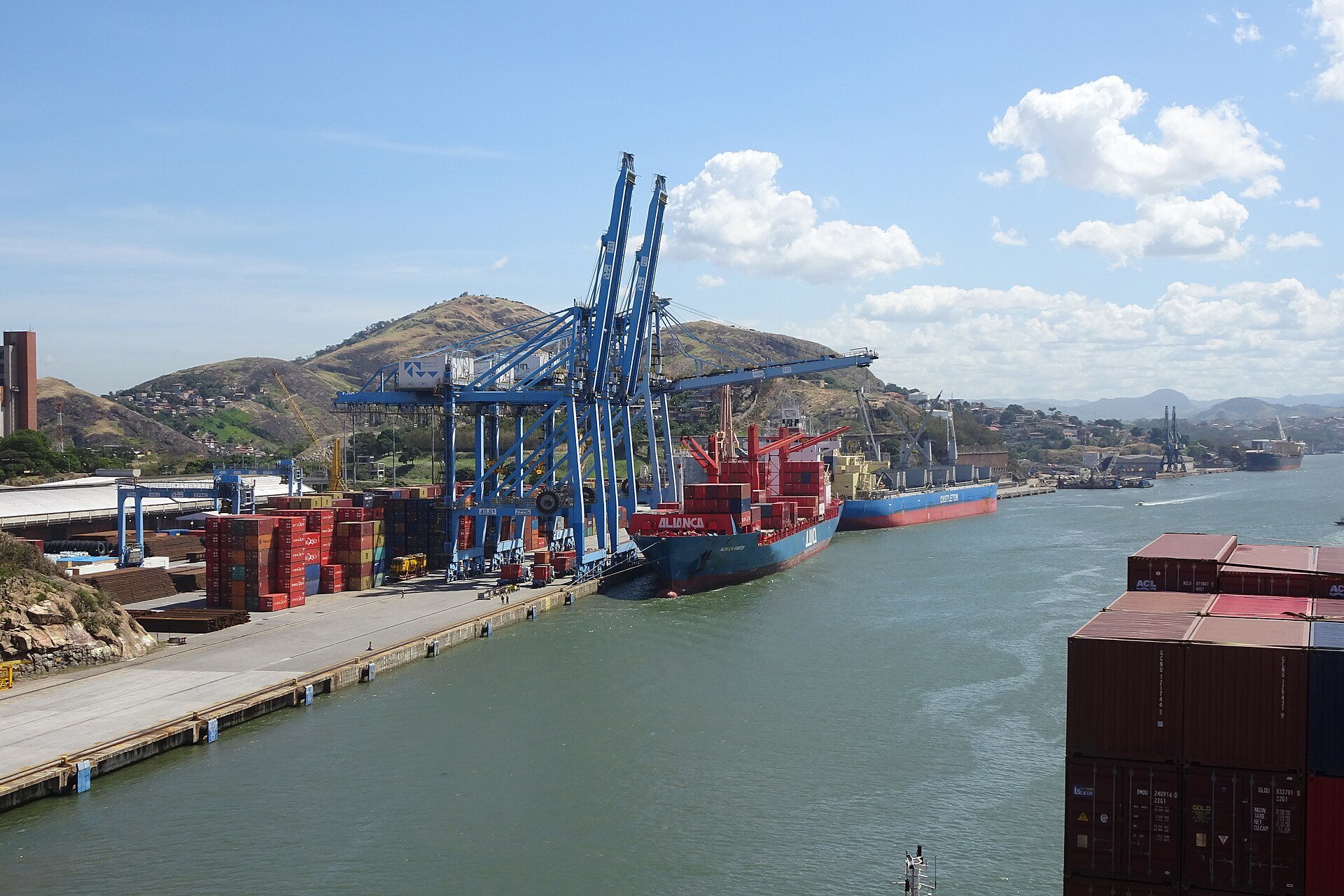
Cosan, one of Brazil’s biggest business groups. Is moving to sell its port terminal in São Luís to help pay down its debt.
The indicative price is about R$300 million, or roughly US$56 million, with extra payments possible later on.
What Cosan Just Announced
Cosan has told the market it wants to sell its port terminal in São Luís, in the northern state of Maranhão. The company made it official in a securities filing, so this is a firm plan rather than idle talk.
It intends to sell its entire stake, and reports peg the indicative price at about R$300 million. Because the filing is public, investors and rivals now know the asset is genuinely on the table.
So far, though, no deal has been signed. Therefore the sale is still an intention, and the details could change before any papers are inked.
What the São Luís Terminal Actually Is
The site is a private-use port terminal, which means one company runs it instead of the state. It sits within the busy São Luís port area, a key export gateway in Brazil’s north.
Because it is multipurpose, it can move grains like soybeans and corn, as well as minerals such as iron ore. That flexibility makes it useful to farmers, miners and traders alike.
The terminal is meant to send Brazilian cargo out toward Asia. For a country that exports huge volumes of food and metals, a northern gateway like this really matters.
Live Company IntelligenceCosan S.A — the full investor dossier
Valuation & profitability
Price & risk
$3.1852-wk high
$8.03
Revenue trend · 6y
Ownership
Dividend
Why Cosan Is Selling Now
Cosan is carrying a lot of debt, and selling assets is the fastest way to bring that down. Therefore the port, while useful, is not central to what the group does every day.
As a result, management has flagged it as one asset it can part with to raise cash. Cosan is far better known for fuel, gas, lubricants and railways than for running ports.
In short, the terminal is a nice-to-have rather than a must-have. So it is a logical thing to sell when money is tight and lenders are watching.
The R$300 Million Price Tag
The headline figure is an indicative R$300 million, which is roughly US$56 million at today’s rate. However, that is only a reference price, so the final number could shift once a buyer signs.
In addition, the group could earn more later through earn-out payments tied to new berths coming online. That means the true value depends on how the terminal grows in the years ahead.
For context, this is a modest sum next to Cosan’s overall debt. Still, every sale chips away at the pile, and management is chasing them one by one.
Who Might Buy the Port
No buyer has been confirmed yet, so anyone naming a winner is really just guessing for now. Still, reports point to strong Chinese interest, with the agribusiness giant COFCO named as a likely bidder.
Because the terminal can ship grain to Asia, it is a natural fit for a big food trader. A buyer that already moves soybeans and corn would gain a ready-made export door.
Even so, treat those names with caution until a filing confirms them. Until then, the buyer remains an open question, however tempting the speculation may be.
How Cosan Ended Up Owning a Port
Cosan bought the terminal a few years ago, paying about R$720 million for full control. It acquired the asset through a subsidiary, buying out a Chinese state-owned builder to take 100% of the site.
At the time, the deal pushed the group into iron ore and port logistics. So selling now marks a real change of course from that earlier ambition.
In other words, an asset once seen as a growth bet has become a source of cash. Because priorities have shifted, what Cosan once chased it is now happy to let go.
The Debt Behind the Decision
Cosan reported net debt of about R$11.5 billion at the end of March 2026. That is a heavy load, so the group has been paying down borrowings and selling what it can.
Because interest rates in Brazil are high, carrying that much debt is expensive month after month. Therefore cutting the balance is not just tidy housekeeping, it is a real saving.
Management has framed the whole effort as a steady deleveraging drive. In plain terms, that means owing less and worrying less about the next repayment.
The Bigger Sell-Off at Cosan
The port is not the only thing on the block, so the pattern here is fairly clear. Cosan has also sold farmland and put its rail business stake in play to raise money.
Meanwhile, it exited a large stake in the miner Vale last year, again to lighten its debt. Taken together, these moves add up to a broad clean-out of what the group holds.
The strategy has been blunt, and insiders have summed it up as sell, sell, sell. Because the goal is a lighter balance sheet, few assets are truly off-limits.
What the Sale Means for Maranhão
For Maranhão, a change of owner does not close the port or stop the cargo moving. Instead, it could bring in a buyer with deep pockets and fresh plans for the site.
Because the region exports grain and minerals, a well-run terminal there helps the whole local economy. Jobs, trucking and shipping all lean on a busy, reliable port.
So the identity of the new owner matters to local workers, not just to investors. A committed buyer could speed up expansion, while a cautious one might slow it down.
What to Watch Next
The first thing to watch is whether a buyer actually signs, and at what final price. After that, the question is how much the sale trims Cosan’s large debt pile.
Meanwhile, keep an eye on the group’s other asset sales, since they tell the same deleveraging story. Each new deal is a clue about how much further Cosan still needs to go.
For now, the port sale is a plan, not a done deal. Therefore the smart move is to watch the filings, because that is where the real news will land.
Frequently Asked Questions
What is Cosan selling?
Cosan is selling its full stake in the TUP São Luís port terminal in Maranhão, in northern Brazil.
How much is the terminal worth?
The indicative price is about R$300 million, or roughly US$56 million. However, extra earn-out payments could follow later.
Why is Cosan selling the port?
Cosan is cutting a heavy debt load. Therefore it is selling assets that are not central to its main businesses.
Who is buying the São Luís terminal?
No buyer is confirmed yet. However, reports point to Chinese interest, with COFCO named as a likely bidder.
Connected Coverage
Sources: InvestNews; CNN Brasil; Valor; Reuters; infrapppworld; Cosan S.A. securities filings; Rio Times prior Cosan coverage.
This article was produced by The Rio Times’ automated newsroom system. How we use AI · Report an error
Read More from The Rio Times