Copper Slides: Chile, Peru Feel China Rate Risk
Key Facts
- Copper futures fell sharply on Monday, September 14, 2026, with COMEX front-month contracts settling near US$6.33–US$6.40 per pound, down roughly 2–3% on the day.
- The copper-tracking CPER fund closed at US$38.26, a drop of 2.35% in the session, reflecting the futures market’s retreat rather than spot metal trading.
- Southern Copper’s New York shares ended at US$188.35, down 2.66%, the steepest fall among the leading producers tracked on the day.
- Freeport-McMoRan settled at US$69.34, off 2.43% as investors priced in weaker near-term demand from global manufacturing.
- China’s State Grid plans to invest US$105 billion in 2026, a 9% increase over 2025, yet this was not enough to offset the day’s macro-driven sell-off.
- Chile produced 5.5 million tonnes of copper in 2024, about 24% of global output, keeping it the world’s largest producer despite a decade of share erosion.
Today’s Focus
Copper fell hard on Monday, September 14, 2026, dragged lower by a jump in oil prices and near-5% Treasury yields that cemented expectations of another Federal Reserve rate hike. The copper-tracking CPER fund, which follows futures rather than spot metal, closed at US$38.26, down 2.35%.
The sell-off hit Latin America’s biggest listed miners. Southern Copper dropped 2.66% to US$188.35, while Freeport-McMoRan fell 2.43% to US$69.34, as investors braced for higher borrowing costs to cool industrial activity.
The macro shock overwhelmed a still-supportive demand picture from China, where grid investment and electric vehicle output continue to grow. But with the dollar strengthening on rate-hike bets, dollar-denominated copper became more expensive for foreign buyers, triggering a broad retreat across futures and spot benchmarks.
What matters today. Monday’s drop was a macro-driven repricing, not a collapse in copper’s physical demand story from China or the energy transition.
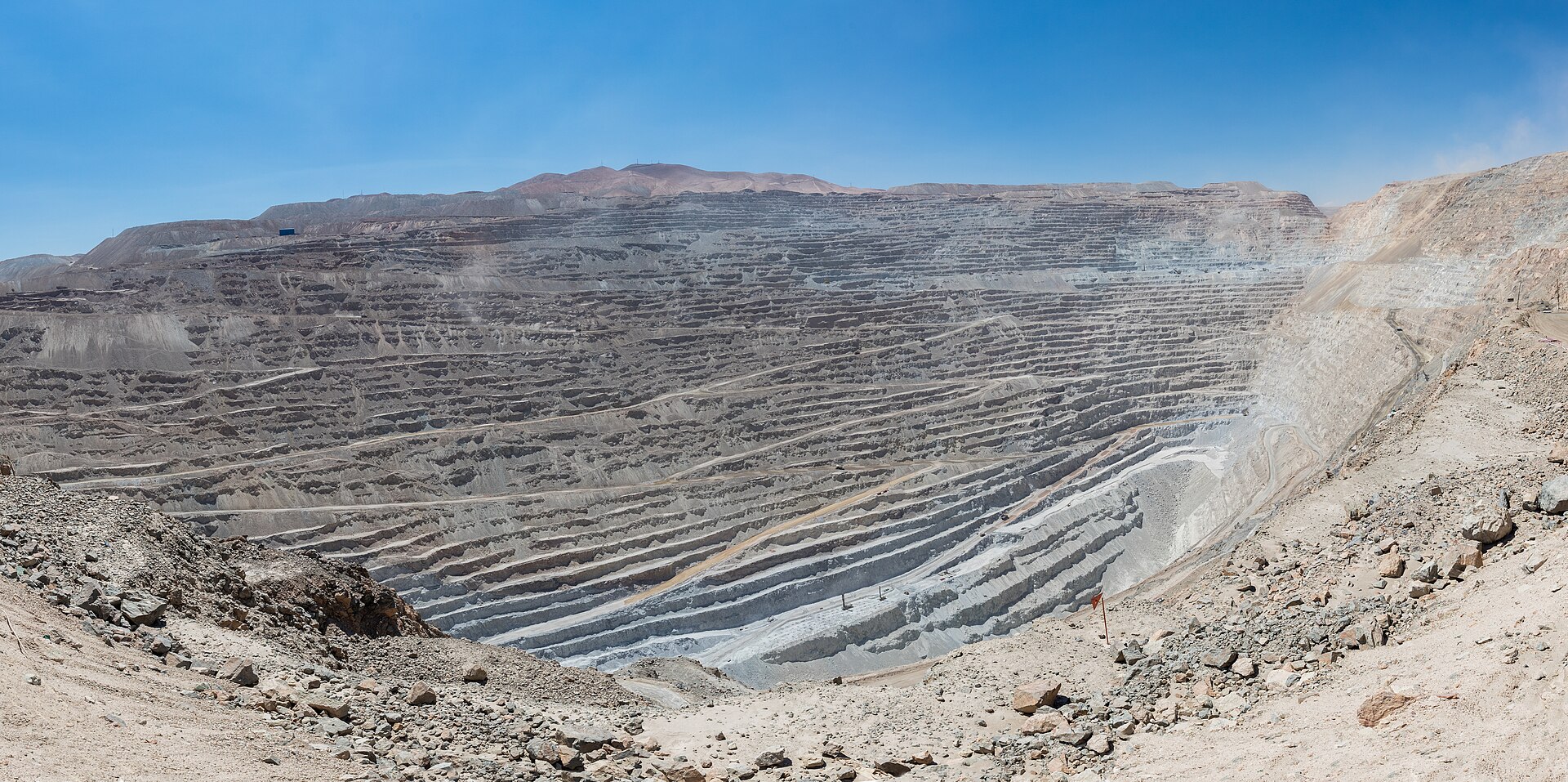
01 The session in one read
Copper futures slid sharply on Monday, September 14, 2026, with COMEX front-month contracts settling near US$6.33–US$6.40 per pound, a drop of roughly 2–3% on the day. The move signalled renewed anxiety about global manufacturing and China’s industrial cycle, even as longer-term demand drivers remain intact.
The decline was not isolated to one benchmark. TradingEconomics recorded copper at US$6.29 per pound, down 2.70%, while COMEX data showed a settlement near US$6.3970 with a daily change of -1.97%, confirming the broad-based retreat.
The session’s driver was clear. Surging oil and Treasury yields near 5% pushed the market to price a 90% probability of a Fed rate rise. That lifted the dollar and punished dollar-priced commodities. Copper’s fundamentals remain respectable, with Chinese grid spending and EV output still rising. But the metal is highly sensitive to the dollar and to global manufacturing sentiment. The variable to watch is whether the Federal Reserve delivers the rise, and how quickly the dollar index responds. A pause or a dovish signal could reverse this futures-led slide.
02 The board
The copper-tracking CPER fund, which follows futures contracts rather than spot metal, closed at US$38.26, down 2.35%. Because CPER rolls near-month COMEX futures monthly, its move reflects the same rate-hike and dollar pressures that hit the futures complex.
Among the big miners, Southern Copper was the hardest hit, falling 2.66% to US$188.35. Freeport-McMoRan dropped 2.43% to US$69.34, mirroring the futures slide as investors pulled back from copper-sensitive equities.
| Asset | Level | Change |
|---|---|---|
| Copper (CPER tracker). | US$38.26 | -2.35% |
| Southern Copper | US$188.35 | -2.66% |
| Freeport-McMoRan | US$69.34 | -2.43% |
Source: RT and exchange data, 14 September 2026. Where a commodity has no spot feed, an exchange-traded tracker or leading producer is shown as a labelled proxy.
Live Market IntelligenceThe live market board
Rio Times · Live Market Intelligence
Latin America — Cross-Market Board
| Instrument | Last | Change | YoY | Prev. | High | Low | Volume |
|---|---|---|---|---|---|---|---|
| IBOV | 185,500.88 | -0.91% | +21.85% | 187,206.89 | 168,310 | 167,142 | — |
| IPSA | 11,342.39 | +1.09% | — | 11,220.60 | 11,210 | 10,984 | 1,513,213,483 |
| IPC MEX | 63,845.28 | -0.12% | +12.17% | 63,924.77 | 66,121 | 65,405 | 108,886,187 |
| MERVAL | 3,084,547 | -0.46% | +30.51% | 3,022,485 | 3,042,365 | 2,991,150 | — |
| COLCAP | 2,588.25 | -0.06% | — | 9.04 | 9.05 | 9.02 | 4,133 |
| BVL PERÚ | 59,184.75 | -0.92% | — | — | — | — | — |
| USD/BRL | 5.16 | +0.01% | -5.13% | 5.16 | 5.18 | 5.14 | — |
| EUR/BRL | 5.95 | +1.01% | -5.83% | 5.89 | 5.98 | 5.94 | — |
| USD/MXN | 17.06 | -0.24% | -8.58% | 17.10 | 17.08 | 17.01 | — |
| USD/CLP | 913.98 | +0.04% | -5.67% | 913.65 | 915.11 | 906.68 | — |
| USD/COP | 3,140 | +0.03% | -22.04% | 3,139 | 3,141 | 3,105 | — |
| USD/PEN | 3.36 | -0.66% | -4.82% | 3.38 | 3.38 | 3.35 | — |
| USD/ARS | 1,493 | +0.10% | +12.96% | 1,491 | 1,494 | 1,480 | — |
| USD/UYU | 40.27 | +1.24% | +1.80% | 39.77 | 40.27 | 40.23 | — |
| USD/PYG | 5,939 | +1.68% | -19.54% | 5,841 | 5,939 | 5,925 | — |
| USD/BOB | 11.64 | -0.76% | +72.04% | 11.73 | 11.72 | 11.64 | — |
| USD/DOP | 58.34 | +1.25% | -3.44% | 57.62 | 58.34 | 58.04 | — |
| USD/CRC | 445.92 | +0.89% | -9.71% | 441.97 | 448.50 | 445.92 | — |
03 What moved it
The trigger was macro rather than metal-specific. New attacks on a Saudi pipeline sent oil surging, while Treasury yields climbed near 5%, strengthening the case for another Federal Reserve rate hike and lifting the dollar.
A stronger dollar makes copper more expensive for buyers using other currencies, dampening demand and encouraging futures selling. The market briefly priced a 90% probability of a Fed hike, a backdrop that punished dollar-denominated commodities across the board.
04 The Latin American read
Chile remains the world’s largest copper producer, with 5.5 million tonnes of output in 2024 or about 24% of global supply, and holds roughly 190 million tonnes of reserves. But its share has slipped from 30% in 2015, a reminder that new supply from elsewhere is slowly eroding its dominance.
Peru sits among the top three holders of copper reserves with around 100 million tonnes, yet the Democratic Republic of Congo has overtaken it as the second-largest producer by annual output. For Chile’s state-owned Codelco, the world’s largest single producer controlling 27–30% of national output, days like Monday compress revenue even when physical demand remains firm.
05 The names to watch
Codelco is the most exposed to copper price swings because its entire revenue base is tied to the metal. Southern Copper, with its large Peruvian and Mexican operations, offers investors a liquid proxy for the region’s copper fortunes.
Freeport-McMoRan, though headquartered in the United States, runs the giant Cerro Verde mine in Peru and Grasberg in Indonesia, making it a bellwether for global copper sentiment. CPER remains the cleanest futures-based vehicle for foreigners wanting exposure without picking individual miners.
06 The outlook
The immediate path depends on the Federal Reserve and the dollar. If the rate hike is delivered and yields stay elevated, copper could face further pressure in the futures market even as China’s grid and EV demand continues to grow.
07 What to watch
- Federal Reserve rate decision: A hike could lift the dollar further and extend the futures slide; a pause could spark a sharp rebound.
- China State Grid spending: The planned US$105 billion investment in 2026, up 9%, is a key physical demand floor for copper.
- Yangshan copper premiums: Premiums of US$48–55 per tonne signal whether Chinese physical buyers are stepping in at these lower futures prices.
- Dollar index moves: Copper is highly sensitive to dollar strength; any reversal in the currency would directly affect futures positioning.
Frequently Asked Questions
Why did copper fall on Monday?
Surging oil prices and near-5% Treasury yields boosted Federal Reserve rate-hike expectations, lifting the dollar and pressuring dollar-priced copper futures.
Does CPER track the spot copper price?
No, CPER tracks copper futures contracts on COMEX, rolling near-month positions monthly, so it reflects futures market dynamics rather than physical spot transactions.
Is Chile still the top copper producer?
Yes, Chile produced 5.5 million tonnes in 2024, about 24% of global output, and holds around 190 million tonnes of reserves, the largest globally.
What is the key demand support for copper?
China’s grid infrastructure is the largest single source, using about 2.2 million tonnes per year, with State Grid planning a 9% investment increase to US$105 billion in 2026.
Market data: RT
This article was produced by The Rio Times’ automated newsroom system. How we use AI · Report an error
In depth
LatAm Markets: Live Signals → — real-time movers, turnover leaders and FX across Latin America.
Read More from The Rio Times