Copper Nears $14,000 as Aluminum Hits a Four-Year High
Latin America · Markets
Key Facts
—The move: Copper climbed close to $14,000 a metric ton and aluminum hit its highest in more than four years.
—The drivers: Bets on tighter global supply, the unresolved Middle East conflict and demand tied to AI and the energy transition.
—The deadline: Traders are bracing for a U.S. tariff decision on copper, with a report due by June 30.
—The winners: Chile and Peru, the world’s top two copper producers, stand to gain from higher prices.
—The backdrop: Metals broadly have made a strong start to June on supply-tightness bets.
A rally in industrial metals is handing Latin America’s mining economies an unexpected tailwind, just as Washington prepares a decision that could scramble the copper market.
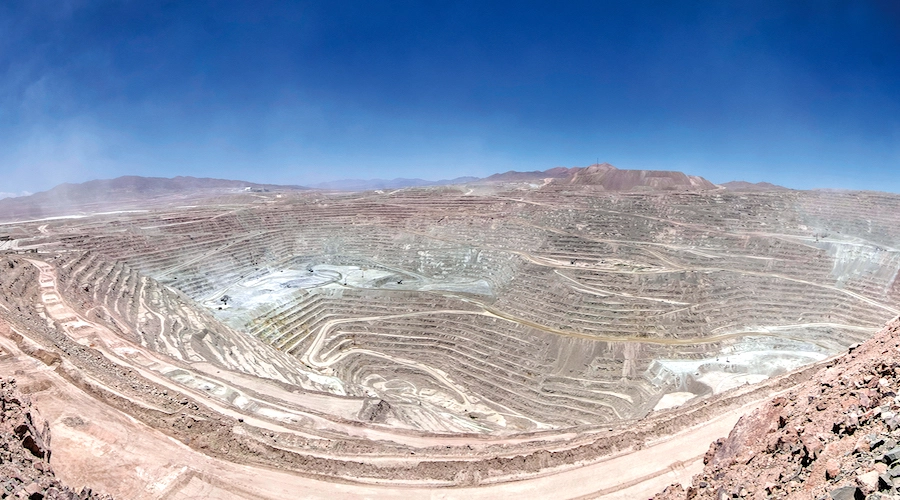
Copper climbed toward $14,000 a metric ton and aluminum surged to its highest level in more than four years, as traders bet on tighter global supply and looked ahead to a pivotal U.S. tariff decision. The gains, which extended a strong start to June for industrial metals, are particularly consequential for Latin America, home to the world’s largest copper producers, for whom higher prices translate directly into export revenue and fiscal breathing room.
What is driving copper toward $14,000
Several forces are pushing prices higher at once. Aluminum supply is under strain partly because of the unresolved conflict in the Middle East, which has rattled energy and shipping, while copper traders are positioning ahead of a crunch decision by the Trump administration on import tariffs.
Underpinning both is structural demand from two fast-growing sources: the build-out of artificial-intelligence data centers, which require vast amounts of copper for power and cooling, and the broader energy transition, where copper is essential for grids, electric vehicles and renewable installations. That combination of near-term supply worry and long-term demand has made metals one of the standout trades of mid-2026.
The looming U.S. tariff decision
The wild card is U.S. trade policy. Washington has already imposed a 50% tariff on many copper-containing imports under its national-security framework, but the bigger question is whether it will extend duties to refined copper itself.
The Commerce Department must deliver a report to the president by June 30 recommending whether to impose a phased tariff, potentially 15%, on refined copper starting in 2027. The uncertainty has dislocated markets, widening the gap between U.S. and international prices and leaving traders to guess at the timing and scale of any measure.
For producers weighing where to ship metal, the decision could reshape trade flows for years.
Why it matters for Chile and Peru
For Latin America, the rally is a windfall. Chile is the world’s largest copper producer and Peru the second, and the metal is the backbone of both economies, funding government budgets and anchoring their currencies.
Higher prices lift export earnings, support the Chilean and Peruvian pesos and ease fiscal pressure at a moment when both countries face their own political and economic crosswinds. The benefit is not without risk: a U.S. tariff on refined copper could redirect flows away from the American market and dampen the price gains, and metals markets remain volatile, sensitive to any shift in the Middle East conflict or in expectations for global growth.
Still, with copper near record territory and demand structurally rising, the region’s mining heartlands are enjoying a rare moment of pricing power.
Frequently Asked Questions
How high have copper and aluminum gone?
Copper climbed close to $14,000 a metric ton and aluminum reached its highest level in more than four years on bets of tighter supply.
What is driving the rally?
Tighter supply, the Middle East conflict, a looming U.S. copper tariff decision, and structural demand from AI data centers and the energy transition.
What is the U.S. tariff decision?
The Commerce Department must report by June 30 on whether to impose a phased tariff, possibly 15%, on refined copper from 2027, beyond existing metal duties.
How does it affect Chile and Peru?
As the world’s top two copper producers, both gain export revenue and currency support from higher prices, though a U.S. tariff could redirect flows.
Connected Coverage
The price surge runs alongside Washington’s tariff moves, including cuts to some metal duties, and feeds the currency strength behind Goldman’s favored Latin American bets.
Read More from The Rio Times