Bogotá Bets on Comic Con to Become a Convention Capital
Key Facts
—The event. Comic Con Colombia, the country’s largest pop-culture and gaming convention, runs June 26–29, 2026.
—The venue. Corferias in Bogotá, an exhibition complex with more than 54,000 square metres of indoor space.
—The backers. Organised by promoter Planet Comics with Corferias, and sponsored by the bank Davivienda.
—The layout. Eight themed zones cover comics, gaming, anime, cosplay, film, series and merchandise, plus an esports hall.
—The calendar. Corferias also hosts SOFA in October and a defence fair in December, part of Bogotá’s convention-tourism push.
—The second city. Comic Con Colombia also stages a Medellín edition later in the year, giving the brand two anchor cities.
Comic Con Colombia returns to Bogotá this week, the loudest sign yet of a quiet strategy to turn the Andean capital into one of Latin America’s busiest convention-tourism hubs.
Bogotá is about to fill with superheroes, gamers and cosplayers. Behind the costumes sits a serious economic plan.
Comic Con Colombia runs from June twenty-sixth to twenty-ninth at Corferias, the capital’s main exhibition complex. It is the country’s largest pop-culture, gaming and entertainment convention, and one of the biggest in the region.
For a foreign reader, the franchise name is the easy part. Comic Con began in the United States and now licenses editions worldwide, so the Bogotá show sits inside a global brand familiar from San Diego to São Paulo.
What Comic Con Colombia looks like
The event is organised by the local promoter Planet Comics with Corferias, and sponsored by Davivienda, one of Colombia’s biggest banks. The headline sponsor alone signals that this is a mainstream commercial occasion, not a fringe gathering.
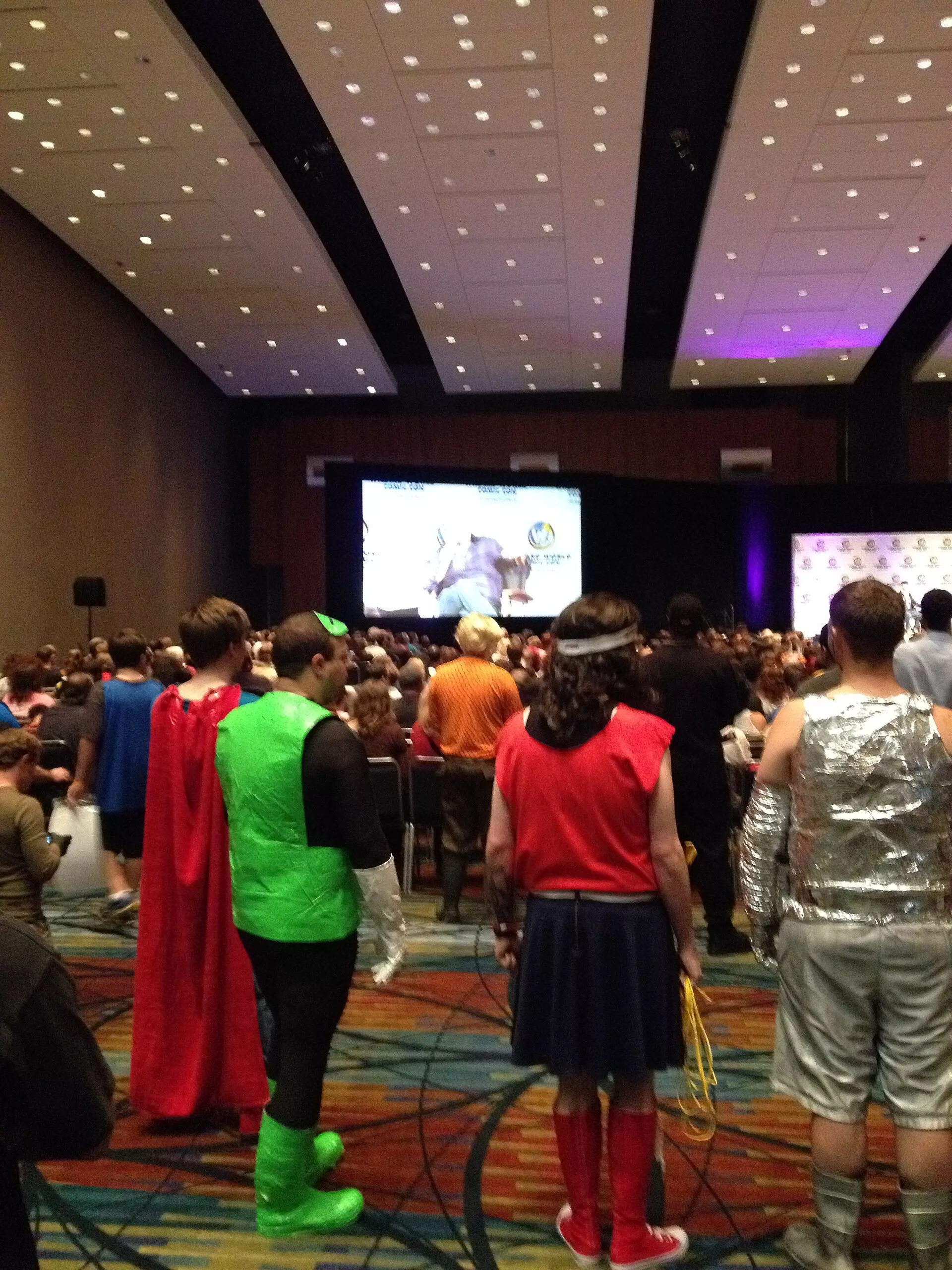
The floor is split into themed zones for comics, gaming, anime, cosplay, film and exclusive merchandise. A central stage hosts guest panels, product launches and trailer premieres, while a gaming hall runs esports tournaments.
The Corferias venue offers more than 54,000 square metres of indoor space, and the official hotel sits directly beside it. Past editions have drawn tens of thousands of attendees, many travelling from across the region.
The model matters because conventions monetise more than tickets. Hotels, restaurants, transport and brand activations all take a cut, which is why cities court these shows so aggressively, as detailed on the official event site.
The bigger bet behind the convention
Comic Con is one stop on a packed Corferias calendar that turns the venue into a near-constant trade-and-culture machine. The same complex hosts the food fair Alimentec, the design and pop-culture show SOFA in October, and a defence exhibition in December.
Together these events form a deliberate strategy known in the industry as MICE, short for meetings, incentives, conferences and exhibitions. It is the business-travel segment that fills hotels mid-week and spreads spending across a city.
The Rio Times reads the calendar as a clear positioning move. Rather than compete on beaches or ruins, Bogotá is selling itself as a year-round host city, with pop-culture conventions aimed at younger, higher-spending visitors.
The logic tracks a wider regional contest. Mexico City, São Paulo and Buenos Aires all chase the same convention business, and a recognisable franchise like Comic Con is a reliable anchor that brings its own audience.
The timing also stacks the deck. Comic Con lands just as Bogotá’s wider June calendar peaks, with the food fair Alimentec earlier in the month and a steady run of trade events keeping Corferias busy into the second half of the year.
Bogotá sits high in the Andes at around 2,600 metres, with a mild year-round climate that suits indoor events. That removes the seasonal swings that constrain beach destinations, letting the city court conventions in any month.
Colombia has a second edition to lean on as well. Comic Con Colombia also stages a Medellín event later in the year, giving the brand two anchor cities rather than one.
Why it matters for the foreign visitor
For travellers, the appeal is access without translation. Cosplay, gaming and film fandom need no Spanish, and the show runs four full days within easy reach of El Dorado airport.
For investors and operators, the read-through is the trend, not the single weekend. A capital turning a global entertainment franchise into recurring tourism revenue is the kind of soft-power play that quietly reshapes a city’s visitor economy.
The forward question is whether Bogotá can convert one busy weekend into a durable reputation. If the convention calendar holds, the costumes this week are an early marker of a city changing what it sells to the world.
More: Colombia news in English, every day from The Rio Times.
Frequently Asked Questions
When and where is Comic Con Colombia 2026?
It runs from June twenty-sixth to twenty-ninth, 2026, at the Corferias exhibition complex in Bogotá. The convention opens daily in the morning and runs into the evening, with a four-day pass that allows re-entry.
What happens at the convention?
The floor is divided into themed zones covering comics, gaming, anime, cosplay, film and merchandise. Highlights include a main stage with guest panels and product launches, an esports hall, an artist alley and a cosplay competition.
Why does Comic Con Colombia matter beyond fans?
The show is part of a strategy to make Bogotá a convention-tourism hub. Events at Corferias fill hotels, restaurants and transport, drawing younger, higher-spending visitors and competing with Mexico City, São Paulo and Buenos Aires for the same business.
Connected Coverage
What’s On in Latin America: Your Week Ahead (June 22-28)
Events in Rio de Janeiro: A Strategic Guide to the 2026 Economic and Cultural Calendar
This article was produced by The Rio Times’ automated newsroom system. How we use AI · Report an error · Editorial responsibility: Matthias Camenzind, Editor-in-Chief
In depth
Living in or visiting Bogotá? See this month's events and our Bogotá city guide with rents, safety and upcoming concerts.