The World Bank Lines Up a Support Package for Colombia’s Incoming Government
International
Key Facts
—The meeting. Colombia’s incoming economic team met the World Bank Group in Washington on July 13.
—The package. Both sides are structuring a joint plan of cooperation, financing and investment for 2026 to 2030.
—The pillars. The talks set three priorities: fiscal stability, competitiveness and closing social gaps.
—The caveat. No figures, projects or sectors were disclosed; the full plan is to be unveiled in Barranquilla.
—The timing. It comes as the government-elect faces a heavy debt load and a contested handover before August 7.
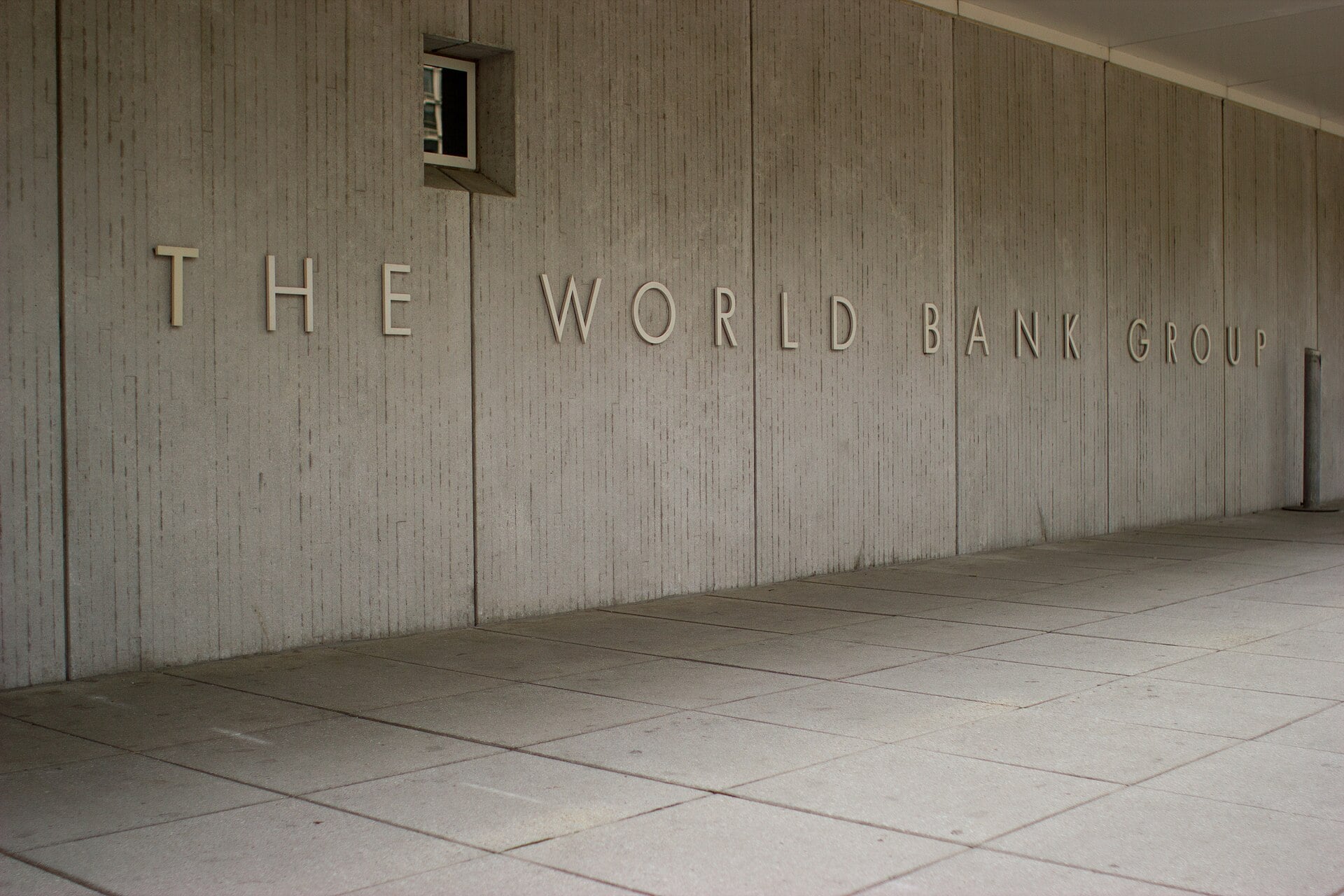
The World Bank is helping shape a cooperation and investment package for Colombia’s incoming government. It is an early vote of confidence in a team that has not yet taken office.
The government-elect’s economic team met World Bank Group leaders in Washington on Monday. The delegation was led by vice-president-elect José Manuel Restrepo, with the designated finance and trade ministers.
What the World Bank and Colombia agreed
The two sides said they were structuring an integrated package of cooperation, financing and investment for the 2026-2030 term. The meeting also drew in the Bank’s private-sector arm, the IFC, and its investment-guarantee body, MIGA.
Senior World Bank officials voiced support for the incoming government’s priorities and said the institution would mobilise its full capacity to back the country’s development goals.
The talks were built around three pillars. These were a stable Colombia with sound public finances, a competitive one driven by investment and infrastructure, and a more equitable one that narrows social gaps.
The signal, not the sum
For now, the substance is thin on numbers. Neither side disclosed the amounts, projects or sectors involved, and the full package is to be presented later with the president-elect in Barranquilla.
That makes this a signal more than a cheque. Multilateral backing arriving before a government is even sworn in reads as confidence in its promised pro-investment, fiscally cautious turn. However, our reporting has shown that this coordinated support—which also includes the IMF, US Treasury, and EXIM Bank—serves as an external anchor explicitly conditioning financing on orthodox fiscal management, marking a deliberate break from the expansionary policies of the Petro era. Critics caution that tying financing to austerity-style fiscal targets could constrain the incoming government’s ability to close the social gaps it has also pledged to address, a tension the Barranquilla unveiling may need to resolve. The World Bank’s forthcoming multi-year financing package, tied explicitly to fiscal sustainability and infrastructure investment, further strengthens the case for Colombian assets by reducing sovereign-risk uncertainty, though the absence of disclosed figures leaves the scale of that anchor open to question. The incoming administration inherits a government bond balance of roughly 763.6 trillion pesos (about $222 billion), up approximately 41 trillion pesos ($12 billion), a debt load that makes the multilateral lifeline as much a necessity as a vote of confidence.
It follows a similar move by the Inter-American Development Bank, which signaled support for the transition. Together the two lenders point to a deliberate courtship of multilateral support.
Why the timing matters
The outreach lands against a difficult backdrop. Colombia faces roughly 175 billion dollars in debt payments falling due through 2030, and the finance-minister-designate has been in Washington seeking to stretch out that schedule.
The handover from the outgoing government has also turned combative, raising governability worries. For a foreign reader, the World Bank’s early engagement is a modest but real counterweight to that political noise.
The World Bank stop is one leg of a wider Washington mission. The same team lined up meetings with the US State, Treasury, Energy and Commerce departments and with members of Congress, part of an effort to reset ties with Colombia’s main trading partner.
What did the World Bank agree with Colombia?
The World Bank Group and Colombia’s incoming government are structuring a joint package of cooperation, financing and investment for 2026 to 2030, built around fiscal stability, competitiveness and social equity. No amounts or specific projects were disclosed, and the full plan is to be unveiled in Barranquilla.
Why does the deal matter for investors?
Multilateral support arriving before the government takes office is read as a vote of confidence in its promised pro-investment, fiscally disciplined agenda. It follows a 60-million-dollar transition grant from the Inter-American Development Bank.
When does Colombia’s new government take office?
President-elect Abelardo De La Espriella is inaugurated on August 7, 2026, for a term to 2030. The Washington mission is part of the incoming team’s push to line up international support before then.
More: Colombia news in English, every day from The Rio Times.
Frequently Asked Questions
What was the purpose of the meeting between Colombia's incoming economic team and the World Bank Group?
The meeting was held to structure a joint plan of cooperation, financing and investment for the 2026 to 2030 term. It also served as an early vote of confidence in a team that has not yet taken office.
What priorities were set during the talks?
The talks set three priorities: fiscal stability, competitiveness and closing social gaps. No specific figures, projects or sectors were disclosed, as the full plan is to be unveiled in Barranquilla.
Which parts of the World Bank Group were involved in the meeting?
The meeting involved the World Bank Group's leadership, including its private-sector arm, the IFC, and its investment-guarantee body, MIGA. World Bank President Ajay Banga and regional vice-president Susana Cordeiro also participated.
Connected Coverage
De la Espriella: Colombia Debt, IDB Lifeline, Blackout Risk
Colombia’s Next Government Faces a Debt Wall of $175 Billion by 2030
Colombia’s Handover Collapses: What the Broken Transition Means
This article was produced by The Rio Times’ automated newsroom system. How we use AI · Report an error · Editorial responsibility: Matthias Camenzind, Editor-in-Chief
In depth
LatAm Markets: Live Signals → — real-time movers, turnover leaders and FX across Latin America.