Colombia Moves to Tax Imports Just as a Free-Trade President Wins
Economy
Key Facts
Colombia tariffs are about to climb on a long list of everyday imports, in a final protectionist push by an outgoing leftist government, just as the country prepares to hand power to a president who campaigned on opening up to trade.
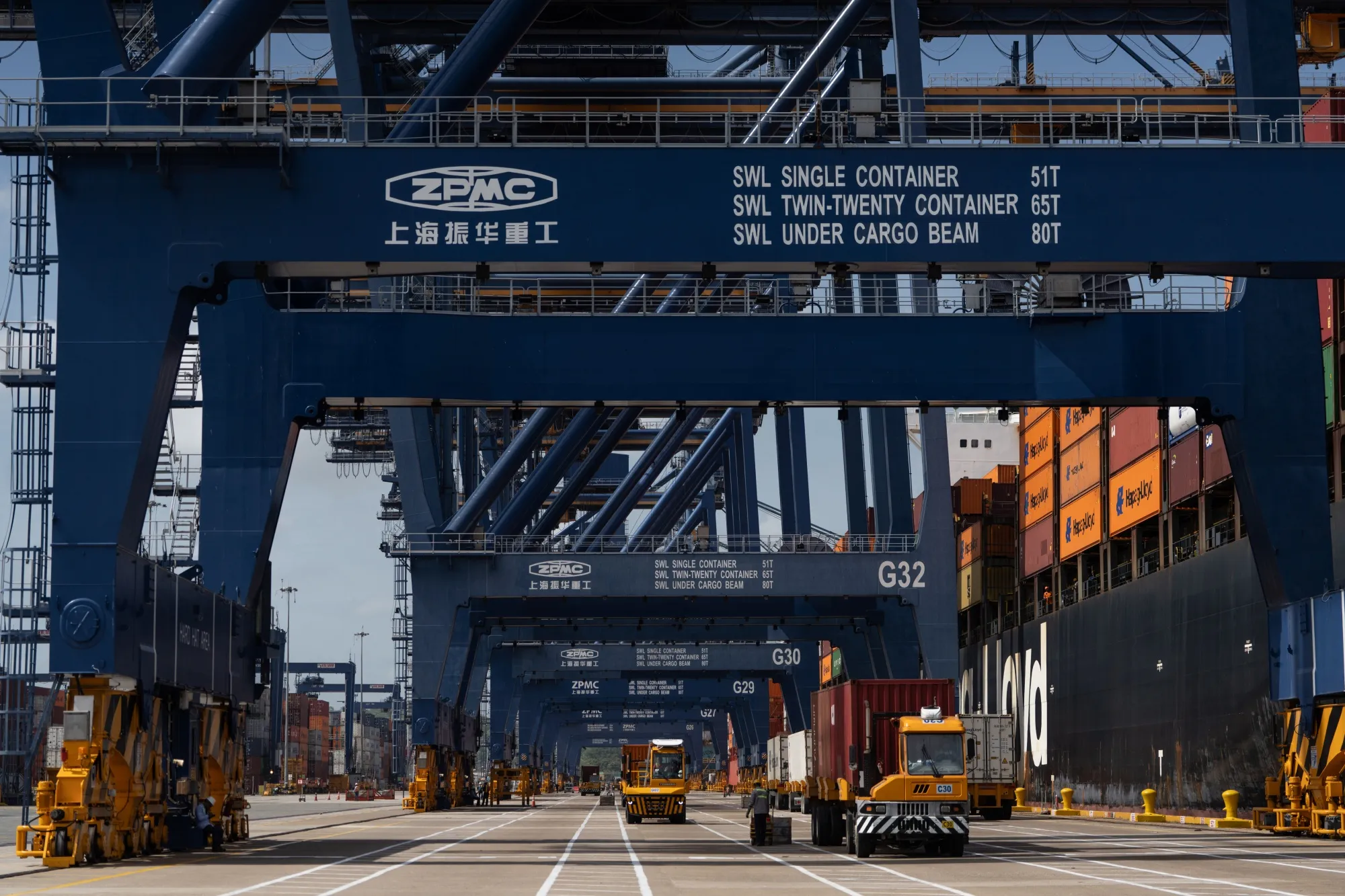
The trade ministry has published a draft decree that would raise import duties on more than a hundred product categories. Officials have branded the measure “smart tariffs,” arguing it is tailored sector by sector rather than applied across the board.
The targets are goods that compete with local factories, from steel and plastics to wooden hangers, paper packaging and plastic toilet seats. The duties would apply only to imports from countries that have no trade agreement with Colombia.
It is not the first such move, since the government already lifted steel duties earlier this year to shield local mills, part of a wider drive to rebuild Colombian industry and lean less heavily on oil and coal. The new decree widens that approach across many more sectors at once.
For a foreign reader, the simple version is this. Colombia wants to make some imports more expensive to help its own manufacturers, and to do so right at the end of one government’s term.
How the Colombia tariffs would work
The plan sorts products into groups by how much they would be charged. Goods where imports make up a large share of the local market would see their duty rise by ten percentage points, pushing some rates to twenty per cent, while others face a steeper twenty-point increase.
The logic is industrial. The government says it wants to shield sectors where Colombia has real production capacity, while cutting duties to zero on raw materials the country cannot make itself, to help local exporters stay competitive.
It is the first big test of a tool written into the outgoing administration’s development plan. The ministry estimates it would trim imports by roughly eleven per cent in the affected lines, a modest sum in dollar terms but a clear signal of intent.
The mechanism is meant to be flexible. Once in force, the duties would be reviewed each year by Colombia’s foreign-trade committee, which could extend, change or drop them, and industry groups could petition for adjustments to their own sectors.
Why the Colombia tariffs are contested
Critics raise two objections. The first is that the importer pays the duty but the cost tends to reach the shopper, so a measure sold as industrial policy could quietly lift prices on ordinary household goods.
The second is legal. Colombia has signed trade commitments that limit how freely it can raise tariffs on its own, so the plan may invite challenges from trading partners who feel the rules are being bent.
There is also the question of timing. Local firms that rely on imported inputs warn the higher duties would raise their own costs and squeeze their margins, even as the government frames the move as protection.
What it means for investors
The deeper signal is political. The decree is the work of a government on its way out, and the president-elect, a self-styled free marketeer who promised lower taxes and lighter regulation, may simply let it lapse or unwind it after taking office in August.
That makes the measure as much a statement as a settled policy. For anyone trading with or investing in Colombia, the read is to treat the new duties as live but reversible, and to watch the incoming government’s first moves on trade for the durable direction.
More: Colombia news in English, every day from The Rio Times.
Frequently Asked Questions
What are Colombia’s smart tariffs?
They are a proposed set of import duties, drafted by the trade ministry, that would add ten or twenty percentage points to the tariff on more than a hundred product categories. They target goods from countries without a trade deal with Colombia.
When would the Colombia tariffs take effect?
The draft decree is open for public comment until June 26 and would run for one year once enacted. Because it is not yet final, the incoming government could amend or scrap it after taking office in August.
Who would be affected?
Importers pay the duties, but economists expect the cost to reach consumers in the form of higher prices. Local manufacturers that rely on imported inputs also warn their production costs would rise.
Connected Coverage
Colombia Raises Steel Duties to 35% Against Chinese Imports
De la Espriella Wins Colombia Election, Markets Cheer a Fiscal Squeeze
This article was produced by The Rio Times’ automated newsroom system. How we use AI · Report an error
In depth
Read More from The Rio Times