Colombia’s Next President Orders Decrees to Cut Spending and Taxes
Politics
Key Facts
—The order. Colombia’s president-elect has ordered decrees to cut spending and lower taxes.
—The freeze. He plans to freeze the 2026 budget the day he takes office on 7 August.
—The cut. His team has floated trimming spending by about 60 trillion pesos, some $18.5bn.
—The stance. Officials say austerity comes first, and rule out an early tax hike.
—The gap. A watchdog sees a 2026 deficit near 7.4 percent of output, above the ministry’s number.
The planned De la Espriella decrees turn campaign talk of austerity into a concrete first act, aimed at spending and taxes from day one.
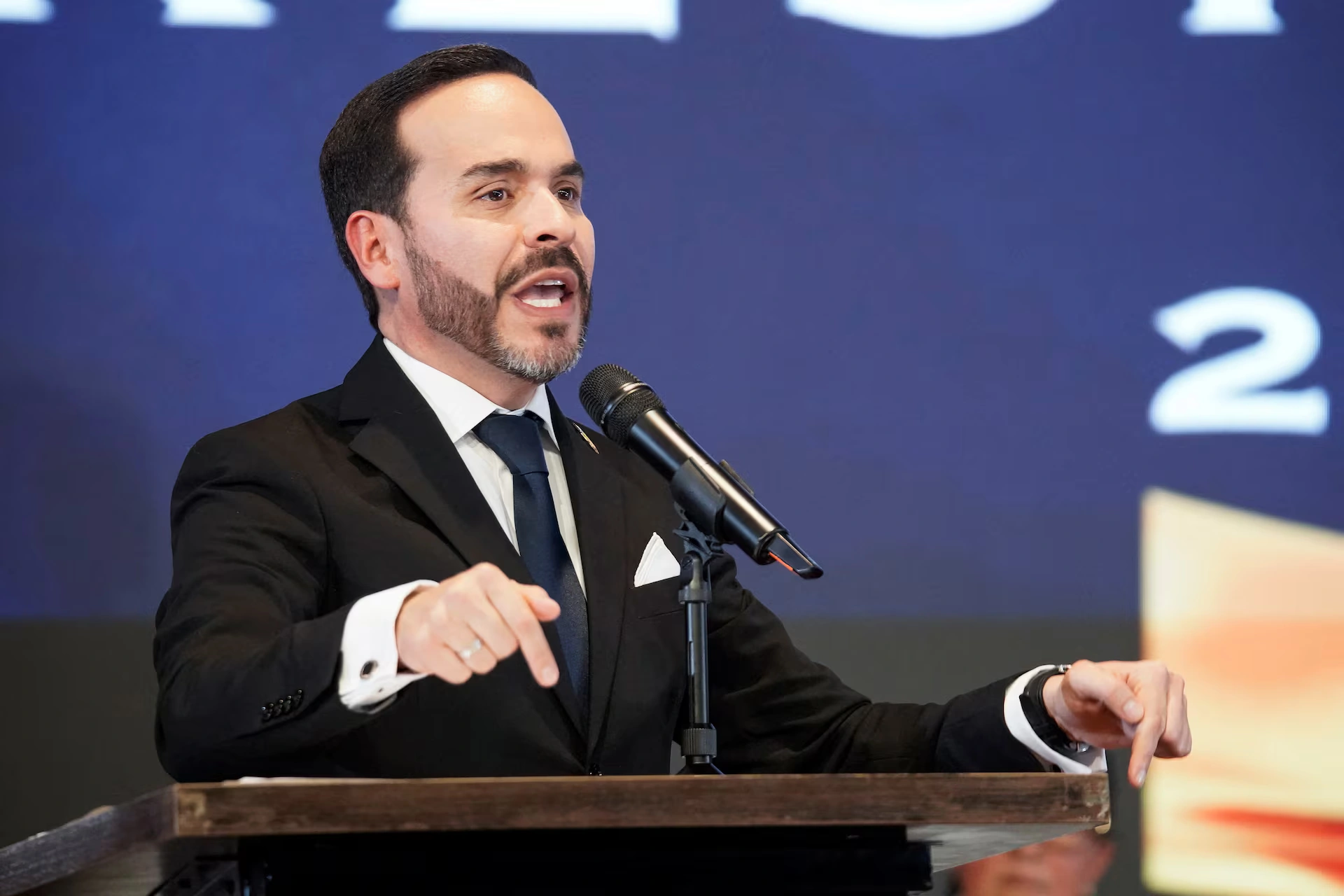
Colombia’s president-elect, Abelardo de la Espriella, takes office on 7 August. He has now instructed his finance-minister-designate, Miguel Gómez, to prepare a package of decrees.
The aim is a sharp fiscal turn. The decrees would cut what the incoming team calls unnecessary spending and lower the tax burden on citizens and firms.
What the De la Espriella decrees would do
The headline move is a budget freeze. The incoming team says it will freeze the 2026 budget on day one, releasing only essential spending like payroll.
The logic is to pause and audit. Officials say they must first see the real state of the accounts before deciding which lines to cut.
The numbers floated are large. The team has talked of trimming spending by around sixty trillion pesos, some eighteen and a half billion dollars, and shrinking the cabinet.
Contracts are a prime target. The team wants to review hundreds of thousands of short-term service contracts, worth tens of trillions of pesos, for waste.
Why the De la Espriella decrees matter
The order of operations is deliberate. Officials insist austerity comes first, and have ruled out opening with a tax hike on Colombians.
The inheritance is daunting. The government points to a deficit that closed last year at six point four percent of output and public debt near two thirds of the economy.
The numbers are also disputed. An independent fiscal watchdog sees this year’s deficit nearer seven point four percent, well above the finance ministry’s own figure.
For a foreign investor, the signal is pro-market. A freeze, spending cuts and no new taxes read as an orthodox turn after years of expansion.
But the risks are real. Freezing a budget can stall projects and services, and governing by decree invites friction with a divided Congress.
The president-elect has tried to soften that risk. He says he will keep an institutional, transparent relationship with Congress and respect the central bank’s autonomy.
He has also reassured the vulnerable. Officials confirm that flagship social programmes will continue, with checks to ensure aid reaches those who qualify.
Abroad, the team is already moving. A delegation is heading to Washington to discuss reprofiling the public debt and finding fresh sources of finance.
The context is a genuine squeeze. Public spending has outrun revenue for years, and the state now spends far more each month than it takes in.
The plan echoes a regional pattern. Like market-friendly governments elsewhere, the new team pairs spending cuts and a leaner state with a promise of lower taxes.
The test will be execution. Much of Colombia‘s budget is locked into pensions, salaries and debt, leaving less room to cut than the headline targets imply.
Analysts also caution on timing. The 2026 budget is largely set, so the deepest changes may only land with next year’s spending plan and any later reform.
For now, the direction is clear. Before it even takes power, the incoming government has chosen austerity as its opening statement of intent.
What are the De la Espriella decrees?
They are a planned package of decrees ordered by Colombia’s president-elect to cut what his team calls unnecessary spending and lower the tax burden. The centrepiece is a freeze of the 2026 budget from the day he takes office on 7 August.
How big are the proposed cuts?
The team has floated trimming spending by around sixty trillion pesos, roughly eighteen and a half billion dollars, and shrinking the cabinet. It also wants to review hundreds of thousands of short-term service contracts for waste.
Will there be a tax increase?
Not at the start, since officials say austerity comes first and have ruled out an early tax hike, arguing the state must set an example before asking citizens for more. A tax reform to simplify the system could come later.
Connected Coverage
De la Espriella Opens His Books, and Asks for Help
More: Colombia news in English, every day from The Rio Times.
Frequently Asked Questions
What is the first major action Colombia's president-elect plans to take on spending?
He plans to freeze the 2026 budget on the day he takes office, 7 August, releasing only essential spending like payroll.
How much spending does the incoming team want to cut?
The team has floated trimming spending by around sixty trillion pesos, which is roughly eighteen and a half billion dollars.
Will the new government immediately raise taxes?
No, officials have ruled out an early tax hike and insist that austerity comes first.
This article was produced by The Rio Times’ automated newsroom system. How we use AI · Report an error · Editorial responsibility: Matthias Camenzind, Editor-in-Chief