IBOV 175,664.62 ▲ 0.30% IPSA 11,445.90 ▼ 0.22% IPC MEX 65,561.46 ▼ 0.41% MERVAL 2,979,472 ▼ 0.72% COLCAP 2,457.87 ▼ 1.28% BVL PERÚ 60,779.49 ▼ 1.40% USD/BRL5.19▲ 0.45% USD/MXN17.03▲ 0.26% USD/CLP930.58▲ 0.45% USD/COP3,202▲ 2.39% USD/PEN3.35▼ 0.07% USD/ARS1,512— 0.00% USD/UYU40.27▲ 1.50% USD/PYG5,900▲ 0.50% USD/BOB11.78▲ 3.59% USD/DOP58.61▲ 0.96% USD/CRC446.65▲ 0.98% USD/GTQ7.62▲ 2.25% USD/HNL26.84▲ 0.40% USD/NIO36.62▼ 0.02% USD/VES789.69▼ 0.13% USD/PAB1.00— 0.00% USD/BZD2.00— 0.00% USD/JMD 157.28 — 0.00% USD/TTD6.72▲ 0.77% EUR/BRL6.01▲ 0.17% BRENT 88.88 ▼ 0.03% WTI 83.11 ▼ 0.11% IRON ORE 161.91 — — COPPER 6.61 ▲ 0.03% GOLD 4,461 ▲ 1.78% SILVER 65.59 ▲ 1.26% SOY 1,184 ▲ 3.20% CORN 480.50 ▲ 10.02% WHEAT 655.00 ▲ 3.93% COFFEE 317.25 ▼ 5.51% SUGAR 16.43 ▼ 1.79% ORANGE JUICE 138.55 ▼ 0.47% COTTON 85.03 ▲ 2.33% COCOA 5,719 ▲ 3.18% BEEF 223.60 ▼ 3.93% CATTLE 339.10 ▼ 3.16% LITHIUM 75.20 ▲ 1.47% PETR4 41.64 ▼ 0.05% VALE3 72.97 ▲ 0.83% ITUB4 38.60 ▼ 1.03% BBDC4 16.85 ▲ 0.36% ABEV3 14.89 ▼ 0.80% BBAS3 19.37 ▲ 0.47% B3SA3 14.26 ▼ 0.21% WEGE3 47.59 ▲ 0.49% PRIO3 59.14 ▼ 0.19% SUZB3 41.33 ▲ 2.35% RENT3 34.68 ▼ 0.09% AZZA3 15.89 ▼ 2.63% CSAN3 3.22 ▼ 1.83% RAIZ4 0.25 — 0.00% PCAR3 2.75 ▼ 0.36% GMAT3 3.65 ▼ 1.08% PSSA3 48.13 ▼ 0.54% CVCB3 1.33 ▼ 2.92% POSI3 3.36 ▲ 2.44% SLCE3 13.34 ▲ 0.30% NATU3 8.14 ▼ 0.73% IBOV 175,664.62 ▲ 0.30% IPSA 11,445.90 ▼ 0.22% IPC MEX 65,561.46 ▼ 0.41% MERVAL 2,979,472 ▼ 0.72% COLCAP 2,457.87 ▼ 1.28% BVL PERÚ 60,779.49 ▼ 1.40% USD/BRL 5.16 ▲ 0.01% USD/MXN 17.06 ▼ 0.24% USD/CLP 913.98 ▲ 0.04% USD/COP 3,140 ▲ 0.03% USD/PEN 3.36 ▼ 0.66% USD/ARS 1,493 ▲ 0.10% USD/UYU 40.27 ▲ 1.24% USD/PYG 5,939 ▲ 1.68% USD/BOB 11.64 ▼ 0.76% USD/DOP 58.34 ▲ 1.25% USD/CRC 445.92 ▲ 0.89% USD/GTQ 7.62 ▲ 2.21% USD/HNL 26.79 ▲ 1.57% USD/NIO 36.62 ▲ 0.69% USD/VES 762.44 ▼ 0.13% USD/PAB 1.00 — 0.00% USD/BZD 2.00 — 0.00% USD/JMD 157.28 — 0.00% USD/TTD 6.70 ▲ 0.61% EUR/BRL 5.95 ▲ 1.01% BRENT 88.88 ▼ 0.03% WTI 83.11 ▼ 0.11% IRON ORE 161.91 — — COPPER 6.61 ▲ 0.03% GOLD 4,461 ▲ 1.78% SILVER 65.59 ▲ 1.26% SOY 1,184 ▲ 3.20% CORN 480.50 ▲ 10.02% WHEAT 655.00 ▲ 3.93% COFFEE 317.25 ▼ 5.51% SUGAR 16.43 ▼ 1.79% ORANGE JUICE 138.55 ▼ 0.47% COTTON 85.03 ▲ 2.33% COCOA 5,719 ▲ 3.18% BEEF 223.60 ▼ 3.93% CATTLE 339.10 ▼ 3.16% LITHIUM 75.20 ▲ 1.47% PETR4 41.64 ▼ 0.05% VALE3 72.97 ▲ 0.83% ITUB4 38.60 ▼ 1.03% BBDC4 16.85 ▲ 0.36% ABEV3 14.89 ▼ 0.80% BBAS3 19.37 ▲ 0.47% B3SA3 14.26 ▼ 0.21% WEGE3 47.59 ▲ 0.49% PRIO3 59.14 ▼ 0.19% SUZB3 41.33 ▲ 2.35% RENT3 34.68 ▼ 0.09% AZZA3 15.89 ▼ 2.63% CSAN3 3.22 ▼ 1.83% RAIZ4 0.25 — 0.00% PCAR3 2.75 ▼ 0.36% GMAT3 3.65 ▼ 1.08% PSSA3 48.13 ▼ 0.54% CVCB3 1.33 ▼ 2.92% POSI3 3.36 ▲ 2.44% SLCE3 13.34 ▲ 0.30% NATU3 8.14 ▼ 0.73%
since 2009
Saturday, August 29, 2026

Colombia Business - Brazil

Colombia, among the countries with a red flag for foreign investors

By · November 29, 2022 · 3 min read

Daily Brief

The morning intel from across Latin America. Free.

By subscribing you agree to our privacy policy. We never share your email.

By Paul Smith

Colombia has just processed a tax reform that will reach US$20 billion, however, it is still seen as a risky place for investments, especially after the change of government.

A recent report by S&P Global Ratings says that the firm expects GDP growth in Latin America to slow significantly to 0.7% in 2023, from 3.4% in 2022, as external demand weakens, tighter financial conditions deter investment and domestic demand softens after a remarkably strong performance in 2022.

However, not everything is so serious. The agency also expects that interest rates will begin to fall and that inflation will show signs of a significant reduction.

&P Global Ratings says that the firm expects GDP growth in Latin America to slow significantly to 0.7% in 2023, from 3.4% in 2022 (Photo internet reproduction)
One-stop reference
Company Intelligence
Every listed company in Latin America — financials, ownership and structure for 1,450+ companies across 26 exchanges, in one place.
Browse the directory →
RT
Ask Rio Times
Latin American markets, currencies and companies.
Open the full Ask Rio Times →

“We anticipate that the cyclical shift towards lower growth in the region, characterized by more subdued inflation, will lead to the start of interest rate cut cycles next year.”

However, for the agency, the scenario of economic slowdown makes it more necessary to have clear messages that give foreign investors confidence when depositing their resources.

“In the midst of low economic growth, we believe that the lack of visibility on the fiscal response could generate uncertainty for investors, especially in economies that have had recent changes in government, such as Brazil and Colombia,” the agency says.

In 2024, it expects the region’s growth to return to its traditionally low rate of slightly above 2%.

The truth is that there are signs that at least issues such as inflation could stop being a big problem, not only for Latin American countries, but for the whole world.

The National Association of Financial Institutions, Anif, assures that the container crisis seems to be approaching its end.

It maintains that last year saw the effects of supply disruptions and growing demand from the economic recovery, which led to exponential growth in freight costs.

On the contrary, this year has seen the opposite phenomenon, as the global recession has led to lower demand and the supply of containers seems to have normalized.

In fact, says Anif, today there is an oversupply of containers, companies that offer container warehouses have recently reported that their warehouses are full and have had to reject clients who seek to protect their empty containers due to the lack of demand.
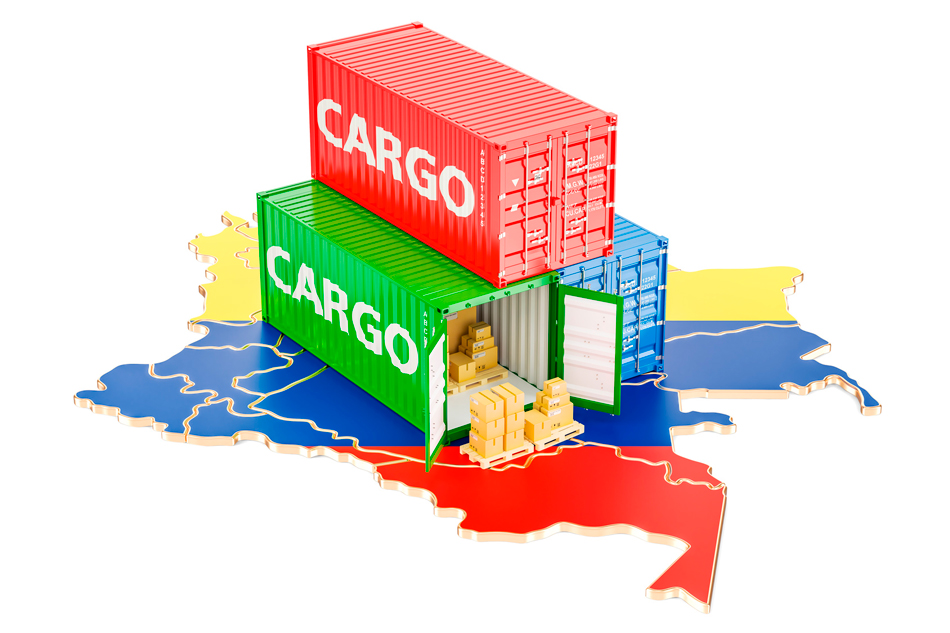
he National Association of Financial Institutions, Anif, assures that the container crisis seems to be approaching its end (Photo internet reproduction)

The problem has not only been present in warehouses, but also in ports. For example, the Port of Houston has established a fine for companies that leave their containers empty for more than seven days at their facilities.

The financial association adds that, although the normalization of the crisis is good news, the signals it sends about the current state of the world economy are not positive.

Merchants globally are wary of what merchandise they have on hand given the various risks facing the global economy, which is why shipping orders have fallen and a growing number of shipping lanes have begun to be cancelled.

Anif explains that this is really atypical for this season of the year, in which the festivities tend to stimulate both trade and maritime transport.

And it concludes that as the ghosts of recession continue to haunt the world economy, freight costs will continue to decline.

with information from Bloomberg Línea

Read More from The Rio Times

The Rio Times · Power Map
See who really holds power in Latin America
Click to open the Power Map

Rotate for Best Experience

This report is optimized for landscape viewing. Rotate your phone for the full experience.