Chinese Steel Floods Brazilian Market Despite Protective Tariffs
Brazil’s steel industry faces mounting pressure as Chinese imports continue to surge despite protective measures. The Instituto Aço Brasil reports a dramatic 57.8% increase in Chinese steel imports during the first quarter of 2025.
The country imported 1.096 million tons from China between January and March, far outpacing second-place South Korea’s modest 117,200 tons. Chinese steel has captured a dominant 78% share of all flat steel imports to Brazil in early 2025.
March figures alone show 448,070 tons of Chinese steel products entering Brazil, representing a 53.1% year-over-year increase. This relentless growth continues despite Brazil’s 25% tariff on certain steel products implemented in June 2024.
The ineffectiveness of these protective measures alarms domestic producers. Total steel imports rose by nearly 30% to 1.7 million tonnes in Q1 2025 compared to the same period last year.
Chinese imports now satisfy about 25% of Brazil’s domestic steel demand, creating what industry leaders call “unfair competition.” Brazil’s quota-tariff system expires May 31, leaving steelmakers anxious about future protection.
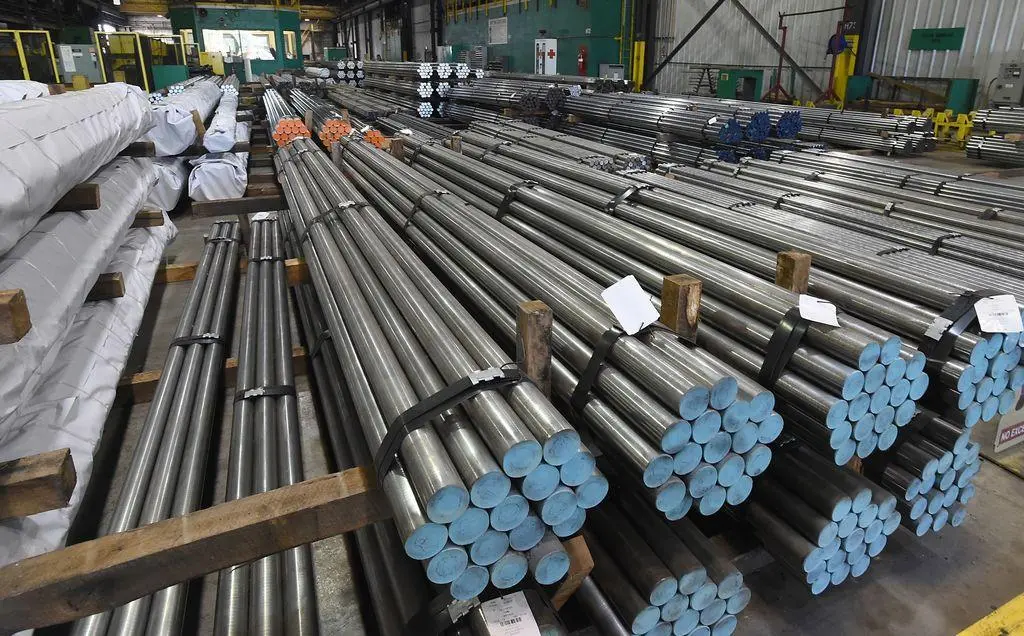
The system introduced quotas for 11 steel products with a 25% tariff on imports exceeding these thresholds. These measures followed technical analysis showing foreign metal purchases in 2023 exceeded the 2020-2022 average by 30%.
Brazil’s Steel Industry Faces Crisis
The global context further complicates Brazil’s situation. China produces 54.7% of world steel while Brazil contributes just 1.8%. This massive production disparity, coupled with Chinese subsidies, creates significant pricing advantages for Chinese exporters.
Trump’s renewed protectionist policies threaten to redirect even more Chinese steel toward Brazil. As the U.S. imposes additional tariffs on Chinese goods, industry experts fear surplus production will increasingly target the Brazilian market.
Major Brazilian steelmakers now reconsider their investment strategies. Gerdau’s president Gustavo Werneck publicly questioned continued investment in Brazil without effective trade protections.
The company contemplates hibernating production lines or shifting capital to share buybacks instead of domestic expansion. Brazilian steel exports have already suffered, dropping 18.1% in volume and 21.9% in value during 2024.
Marco Polo Lopes, president of the Brazilian Steel Institute, calls the situation “an avalanche of Chinese steel” that threatens the sustainability of Brazil’s entire steel sector and its value chain.
The industry now pins its hopes on stronger protective measures after May, including potential antidumping actions and a revamped import quota system.
More: Brazil news in English, every day from The Rio Times.
This article was produced by The Rio Times’ automated newsroom system. How we use AI · Report an error · Editorial responsibility: Matthias Camenzind, Editor-in-Chief
LatAm Markets: Live Signals → — real-time movers, turnover leaders and FX across Latin America.
Brazil runoff, Sunday, October 25: Brazil runoff start time and results schedule. Latest: Brazil runoff polls, Flávio 51%, Lula 49%.