IBOV 183,223.75 ▲ 0.13% IPSA 11,064.58 ▼ 0.66% IPC MEX 64,944.41 ▼ 0.07% MERVAL 2,771,311 ▼ 0.99% COLCAP 2,565.60 ▼ 0.53% BVL PERÚ 60,220.45 ▲ 0.02% USD/BRL5.22▼ 0.20% USD/MXN18.06▲ 0.39% USD/CLP972.77▲ 0.45% USD/COP3,326▲ 0.70% USD/PEN3.44▼ 0.05% USD/ARS1,524▼ 0.05% USD/UYU40.27▲ 3.67% USD/PYG5,843▲ 2.30% USD/BOB11.96▲ 0.45% USD/DOP59.27▲ 2.75% USD/CRC452.68▲ 2.68% USD/GTQ7.64▲ 3.13% USD/HNL26.87▲ 3.23% USD/NIO36.62▲ 2.65% USD/VES855.74▼ 0.13% USD/PAB1.00— 0.00% USD/BZD2.00— 0.00% USD/JMD 157.28 — 0.00% USD/TTD6.70▲ 1.64% EUR/BRL5.91▲ 0.25% BRENT 88.88 ▼ 0.03% WTI 83.11 ▼ 0.11% IRON ORE 161.91 — — COPPER 6.61 ▲ 0.03% GOLD 4,461 ▲ 1.78% SILVER 65.59 ▲ 1.26% SOY 1,184 ▲ 3.20% CORN 480.50 ▲ 10.02% WHEAT 655.00 ▲ 3.93% COFFEE 317.25 ▼ 5.51% SUGAR 16.43 ▼ 1.79% ORANGE JUICE 138.55 ▼ 0.47% COTTON 85.03 ▲ 2.33% COCOA 5,719 ▲ 3.18% BEEF 223.60 ▼ 3.93% CATTLE 339.10 ▼ 3.16% LITHIUM 75.20 ▲ 1.47% PETR4 41.64 ▼ 0.05% VALE3 72.97 ▲ 0.83% ITUB4 38.60 ▼ 1.03% BBDC4 16.85 ▲ 0.36% ABEV3 14.89 ▼ 0.80% BBAS3 19.37 ▲ 0.47% B3SA3 14.26 ▼ 0.21% WEGE3 47.59 ▲ 0.49% PRIO3 59.14 ▼ 0.19% SUZB3 41.33 ▲ 2.35% RENT3 34.68 ▼ 0.09% AZZA3 15.89 ▼ 2.63% CSAN3 3.22 ▼ 1.83% RAIZ4 0.25 — 0.00% PCAR3 2.75 ▼ 0.36% GMAT3 3.65 ▼ 1.08% PSSA3 48.13 ▼ 0.54% CVCB3 1.33 ▼ 2.92% POSI3 3.36 ▲ 2.44% SLCE3 13.34 ▲ 0.30% NATU3 8.14 ▼ 0.73% IBOV 183,223.75 ▲ 0.13% IPSA 11,064.58 ▼ 0.66% IPC MEX 64,944.41 ▼ 0.07% MERVAL 2,771,311 ▼ 0.99% COLCAP 2,565.60 ▼ 0.53% BVL PERÚ 60,220.45 ▲ 0.02% USD/BRL 5.16 ▲ 0.01% USD/MXN 17.06 ▼ 0.24% USD/CLP 913.98 ▲ 0.04% USD/COP 3,140 ▲ 0.03% USD/PEN 3.36 ▼ 0.66% USD/ARS 1,493 ▲ 0.10% USD/UYU 40.27 ▲ 1.24% USD/PYG 5,939 ▲ 1.68% USD/BOB 11.64 ▼ 0.76% USD/DOP 58.34 ▲ 1.25% USD/CRC 445.92 ▲ 0.89% USD/GTQ 7.62 ▲ 2.21% USD/HNL 26.79 ▲ 1.57% USD/NIO 36.62 ▲ 0.69% USD/VES 762.44 ▼ 0.13% USD/PAB 1.00 — 0.00% USD/BZD 2.00 — 0.00% USD/JMD 157.28 — 0.00% USD/TTD 6.70 ▲ 0.61% EUR/BRL 5.95 ▲ 1.01% BRENT 88.88 ▼ 0.03% WTI 83.11 ▼ 0.11% IRON ORE 161.91 — — COPPER 6.61 ▲ 0.03% GOLD 4,461 ▲ 1.78% SILVER 65.59 ▲ 1.26% SOY 1,184 ▲ 3.20% CORN 480.50 ▲ 10.02% WHEAT 655.00 ▲ 3.93% COFFEE 317.25 ▼ 5.51% SUGAR 16.43 ▼ 1.79% ORANGE JUICE 138.55 ▼ 0.47% COTTON 85.03 ▲ 2.33% COCOA 5,719 ▲ 3.18% BEEF 223.60 ▼ 3.93% CATTLE 339.10 ▼ 3.16% LITHIUM 75.20 ▲ 1.47% PETR4 41.64 ▼ 0.05% VALE3 72.97 ▲ 0.83% ITUB4 38.60 ▼ 1.03% BBDC4 16.85 ▲ 0.36% ABEV3 14.89 ▼ 0.80% BBAS3 19.37 ▲ 0.47% B3SA3 14.26 ▼ 0.21% WEGE3 47.59 ▲ 0.49% PRIO3 59.14 ▼ 0.19% SUZB3 41.33 ▲ 2.35% RENT3 34.68 ▼ 0.09% AZZA3 15.89 ▼ 2.63% CSAN3 3.22 ▼ 1.83% RAIZ4 0.25 — 0.00% PCAR3 2.75 ▼ 0.36% GMAT3 3.65 ▼ 1.08% PSSA3 48.13 ▼ 0.54% CVCB3 1.33 ▼ 2.92% POSI3 3.36 ▲ 2.44% SLCE3 13.34 ▲ 0.30% NATU3 8.14 ▼ 0.73%
since 2009
Tuesday, September 29, 2026

Agri Business Brazil

China Doubles Down on Brazilian Soybeans in Early 2024

By · February 27, 2024 · 2 min read

The LatAm Brief

One email, every weekday morning. What moved in Latin American markets, politics and expat life.

Yesterday’s subject line: “Argentina gives Britain two weeks over Falklands oil”

Free. We send a confirmation link first — nothing arrives until you click it. Unsubscribe with one click in any edition. If you stop opening us for 30 days we stop sending by ourselves, as we assume the interest is no longer there. See our privacy policy. We never share your email.

In the early months of 2024, Brazil’s soybean exports to China will have nearly doubled from the previous year.

Despite a lack of new large-volume sales, Brazil’s exports are thriving on deals made when prices were more attractive.

According to the Secretariat of Foreign Trade (Secex), Brazil shipped 4.986 million tons of soybeans in the first half of February alone, closely matching the total for all of February 2023.

Free daily brief — no card needed
Get every Agri Business story in one morning email
We build you a personalized brief around the topics you follow — free for 7 days. Love it? Your first month after that is US$1.

So far this year, Brazil has exported 7.841 million tons of soybeans, significantly up from 4.8 million tons in the same period last year, bringing in revenue of $2.224 billion USD.

This marks a record pace for Brazil’s exports, highlighting soybeans as a key export commodity.
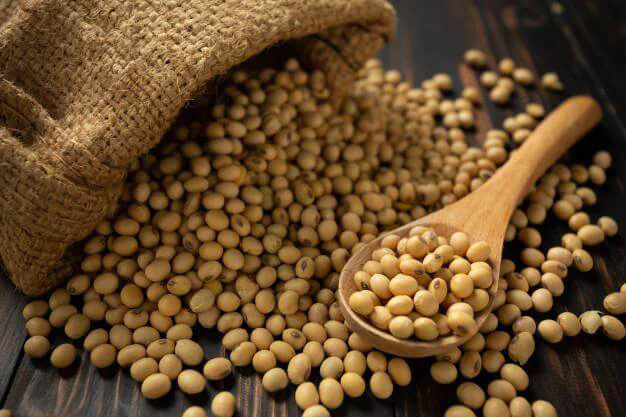
China Doubles Down on Brazilian Soybeans in Early 2024
China Doubles Down on Brazilian Soybeans in Early 2024.
One-stop reference
Company Intelligence
Every listed company in Latin America — financials, ownership and structure for 1,450+ companies across 26 exchanges, in one place.
Browse the directory →
RT
Ask Rio Times
Latin American markets, currencies and companies.
Open the full Ask Rio Times →

China, the leading buyer of Brazilian soybeans, continues to shape market trends and price formation.

Their cautious buying strategy, relying on stocked supplies from pandemic highs, reflects a broader, financially cautious approach to commodity purchases.

Over 40 million tons of the current soybean crop have been sold, with at least 30 million tons destined for China.

This strategic stockpiling by Chinese buyers allows them to wait for more favorable market conditions without risking a supply shortage.

The ongoing demand for soybeans is clear, with China playing a significant role in the global soy market.

Despite challenges, Brazil shipped 6 million of 7.8 million tons to China from January to February 2024, doubling 2023’s amount.

This trend underscores China’s reliance on Brazilian soybeans, a preference that has reshaped the global soy trade.

Brazil’s Dominance in Soy Market and China’s Influence

In 2023, Brazilian soybean exports to China surged by 29%, contrasting with a 14% decline in U.S. exports.

Brazil has emerged as a dominant force in the soy market, with exports growing 431% over the last two decades.

University of Illinois analysis: Brazil’s soy market is increasingly reliant on China, with 73% of exports, surpassing the U.S. average of 51%.

This shift allows the U.S. to diversify its market, reducing its vulnerability to China’s influence.

China’s soybean imports have faced disruptions since 2019, attributed to the COVID-19 pandemic and African swine fever outbreaks.

China’s push for soy self-sufficiency adds uncertainty to global trade, emphasizing Brazil’s crucial role in meeting Chinese demand.

This article was produced by The Rio Times’ automated newsroom system. How we use AI · Report an error

Read More from The Rio Times

The Rio Times · Power Map
See who really holds power in Latin America
Click to open the Power Map →

Rotate for Best Experience

This report is optimized for landscape viewing. Rotate your phone for the full experience.